Robot Wiki
549 entries · manufacturers, robot models & technologies
Curated Catalog
Curated Catalog is an editorial directory platform dedicated to indexing real, commercially available robot products from leading global manufacturers. Rather than producing hardware itself, it serves as a curated reference resource, with each listed product entry linking directly to the manufacturer's official page for authoritative specifications and purchasing information. The platform's location and founding date are not publicly on file. Its product index spans multiple robotics categories — including robotic arms, mobile robots, motors, sensors, and controllers — drawing from well-established brands active in industrial, research, and service robotics markets worldwide.
7,557 views
Bear Robotics
Bear Robotics is a United States-based robotics company specializing in autonomous service robots designed for the hospitality and food-service industries. The company develops robots intended to assist restaurant and hospitality staff by handling repetitive tasks such as food and beverage delivery, bussing, and runner duties. Bear Robotics is best known for its Servi line of autonomous service robots, which are deployed in restaurants, hotels, and other hospitality venues. Headquartered in the United States, the company positions itself at the intersection of artificial intelligence and practical service automation.
6,464 views
 Robot
RobotRelay Delivery Robot
The Relay Delivery Robot is an autonomous indoor delivery robot developed by Relay Robotics (formerly known as Savioke), designed primarily for hospitality and healthcare environments. It navigates hotel corridors and hospital hallways independently, rides elevators without human assistance, and delivers guest amenities, medications, linens, and other supplies directly to rooms or designated drop-off points. Relay is one of the most widely deployed service robots in its category, reportedly completing over one million lifetime deliveries with a publicly cited success rate of approximately 99.8%. With a cargo capacity of around 10 gallons, the robot is compact enough to operate in busy public spaces while carrying a meaningful payload of everyday supplies.
2,737 views
 Robot
RobotSpot
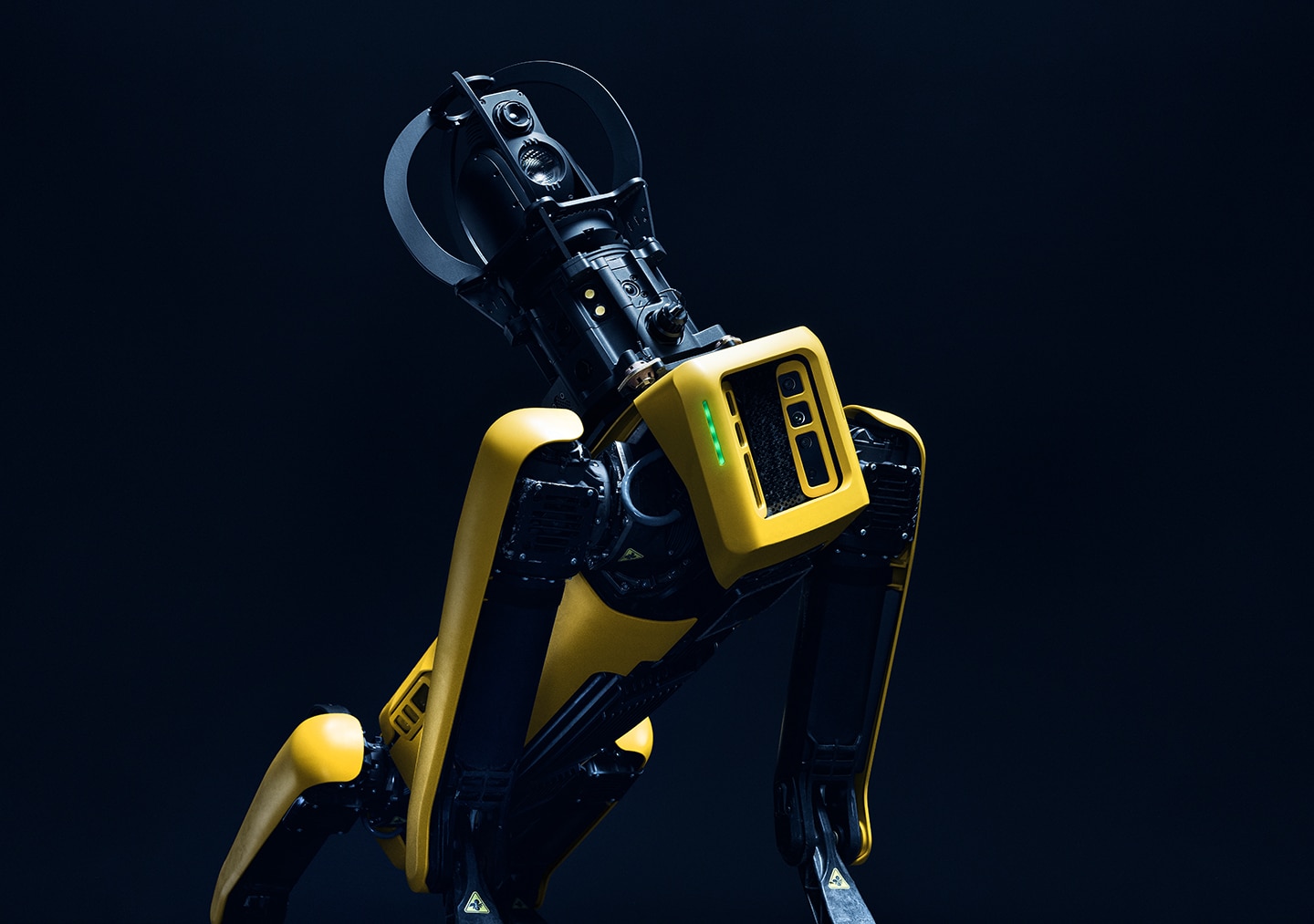
Spot is a four-legged autonomous robot developed by Boston Dynamics, a robotics company headquartered in Waltham, Massachusetts. Designed for inspection, security, and data collection in complex or hazardous environments, Spot can navigate stairs, rough terrain, and confined spaces that are inaccessible to wheeled robots. It is commercially available and has been deployed across industries including utilities, oil and gas, construction, and public safety. Spot supports a modular payload system that accommodates thermal cameras, pan-tilt-zoom (PTZ) cameras, lidar units, methane sensors, and other mission-specific hardware. Boston Dynamics also offers the Orbit fleet-management software platform, enabling operators to schedule autonomous inspection routes, aggregate sensor data, and manage multiple Spot units from a central interface. The robot is widely regarded as one of the most capable and commercially mature legged robots on the market.
1,216 views
 Robot
RobotRealSense Depth Camera D455
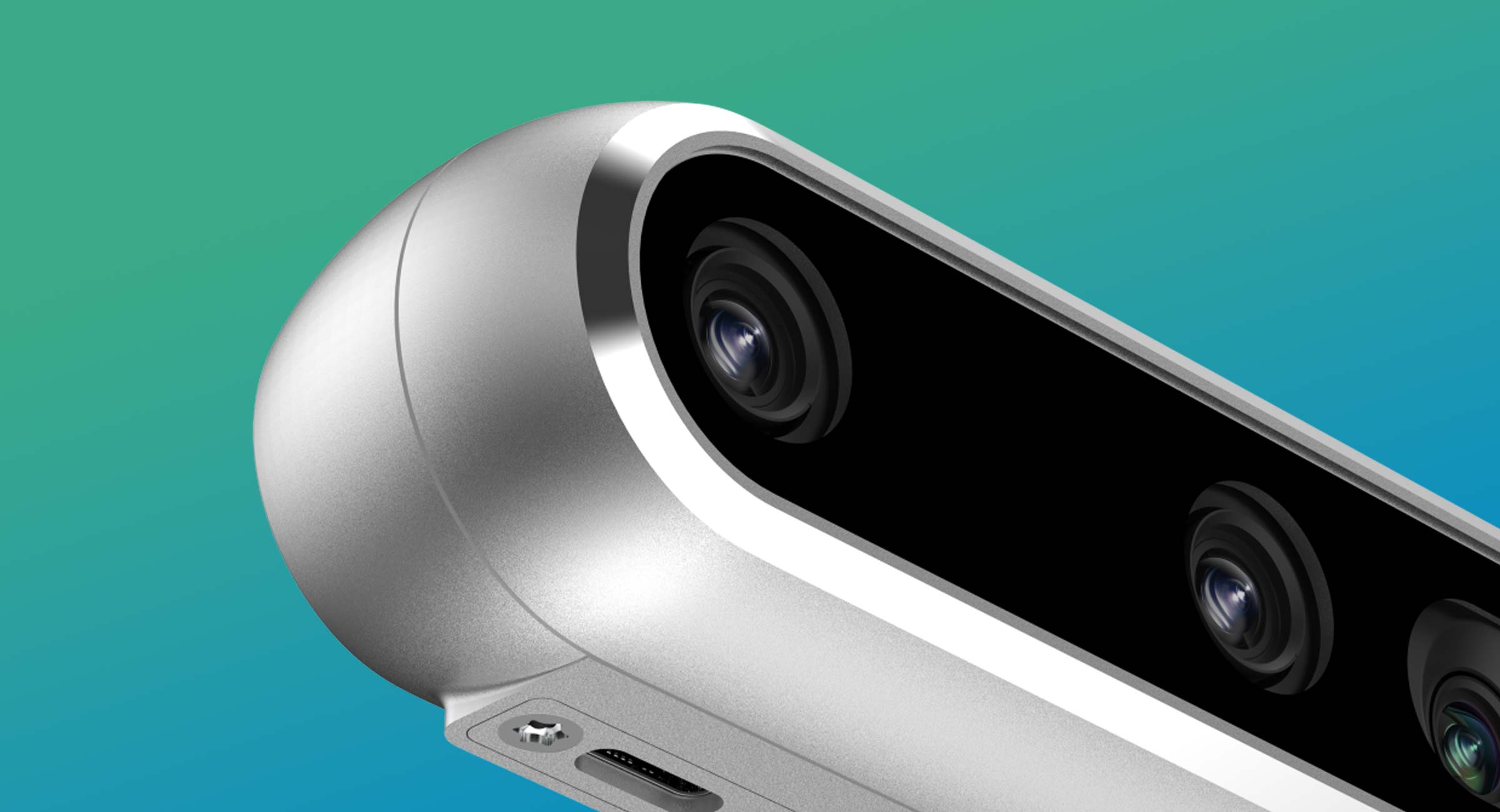
The RealSense Depth Camera D455 is a stereoscopic active-infrared depth camera belonging to Intel's D400 series, designed to capture high-fidelity depth data for robotics, autonomous mobile robots (AMRs), drones, and computer-vision applications. It features a 95 mm stereo baseline — the widest in the D400 lineup at the time of its introduction — which reportedly enables depth error of under 2% at ranges up to approximately 4 metres. Originally developed under the Intel RealSense brand, the D455 and related products were later spun off as part of an independent RealSense business unit following Intel's restructuring of the division around 2021–2022. The camera is widely adopted in research, industrial automation, and humanoid-robot development owing to its compact USB-powered form factor, open SDK support, and relatively accessible price point.
658 views
Narwal
Narwal is a Shenzhen-based consumer robotics company specializing in intelligent home-cleaning robots. The company focuses on developing self-cleaning robot vacuum and mop systems designed to reduce manual maintenance and improve autonomous floor-care performance. Narwal's publicly known product lineup includes the Freo and the Narwal Freo X Ultra, both positioned in the premium segment of the robotic cleaning market. The company sells its products internationally and is recognized for integrating self-washing mop technology into its devices.
610 views
Rosie 2.0
The Rosie 2.0 is a commercial-grade autonomous robot vacuum developed by Tailos, designed to handle large-scale floor cleaning in business and institutional environments. It is offered in a two-pack configuration, allowing facilities to deploy multiple units simultaneously for broader coverage and more efficient cleaning cycles. Built to commercial durability standards, the Rosie 2.0 combines intelligent navigation with powerful suction technology to reduce reliance on manual labor and improve facility maintenance consistency. It targets businesses, hospitality venues, retail spaces, and other high-traffic environments where reliable, automated cleaning is a priority.
512 views
Apptronik
Apptronik is an American robotics company headquartered in Austin, Texas, focused on the design and development of general-purpose humanoid robots. The company is best known for its Apollo humanoid robot platform, which is intended for deployment in industrial and manufacturing environments. Founded by a team with deep roots in human-centered robotics research, Apptronik has positioned itself as a developer of practical, commercially deployable humanoid systems. The company has pursued partnerships with major industrial players to scale production and real-world adoption of its robots.
491 views
 Robot
RobotOptimus Gen 2
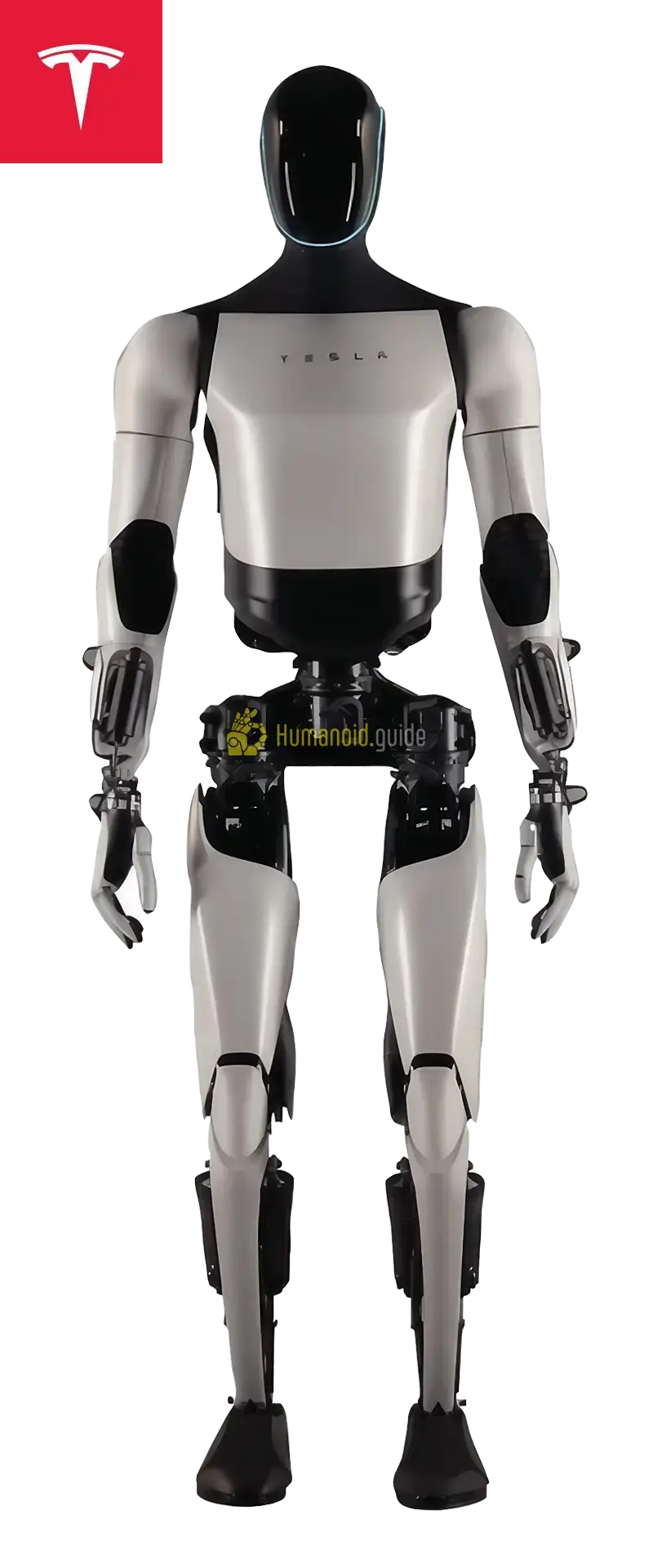
Optimus Gen 2 is a general-purpose humanoid robot developed by Tesla, representing the second major hardware iteration of the company's Optimus program. It is designed to perform a broad range of physical tasks, leveraging perception and motion-planning software derived from Tesla's Full Self-Driving (FSD) stack. As of public reporting, units are used for internal demonstrations and select tasks within Tesla's own manufacturing facilities. Tesla has stated an ambition to eventually offer Optimus at consumer-accessible pricing, positioning it as a mass-market humanoid rather than an industrial-only platform. Compared to its predecessor, Gen 2 reportedly features improved hand dexterity, smoother whole-body motion, and a lighter overall frame, though many detailed specifications remain unconfirmed or subject to ongoing revision as the program continues to iterate.
477 views
 Manufacturer
Unitree Robotics
Unitree Robotics is a Chinese robotics manufacturer headquartered in Hangzhou, China, widely recognized for developing high-performance, relatively affordable legged and humanoid robots. The company has built a reputation for pushing the boundaries of dynamic locomotion and whole-body control, making advanced robotic platforms accessible to researchers, developers, and industrial users worldwide. Unitree's product lineup spans quadruped mobile robots, humanoid robots, and robotic arms, with notable models including the Go2 quadruped, the H1 and G1 humanoids, and the Z1 robotic arm. As of recent public reporting, the company has also unveiled the GD01, described as the world's first mass-produced manned mecha, signaling an ambitious expansion beyond conventional robotics categories.
466 views
 Robot
RobotLandroid Vision
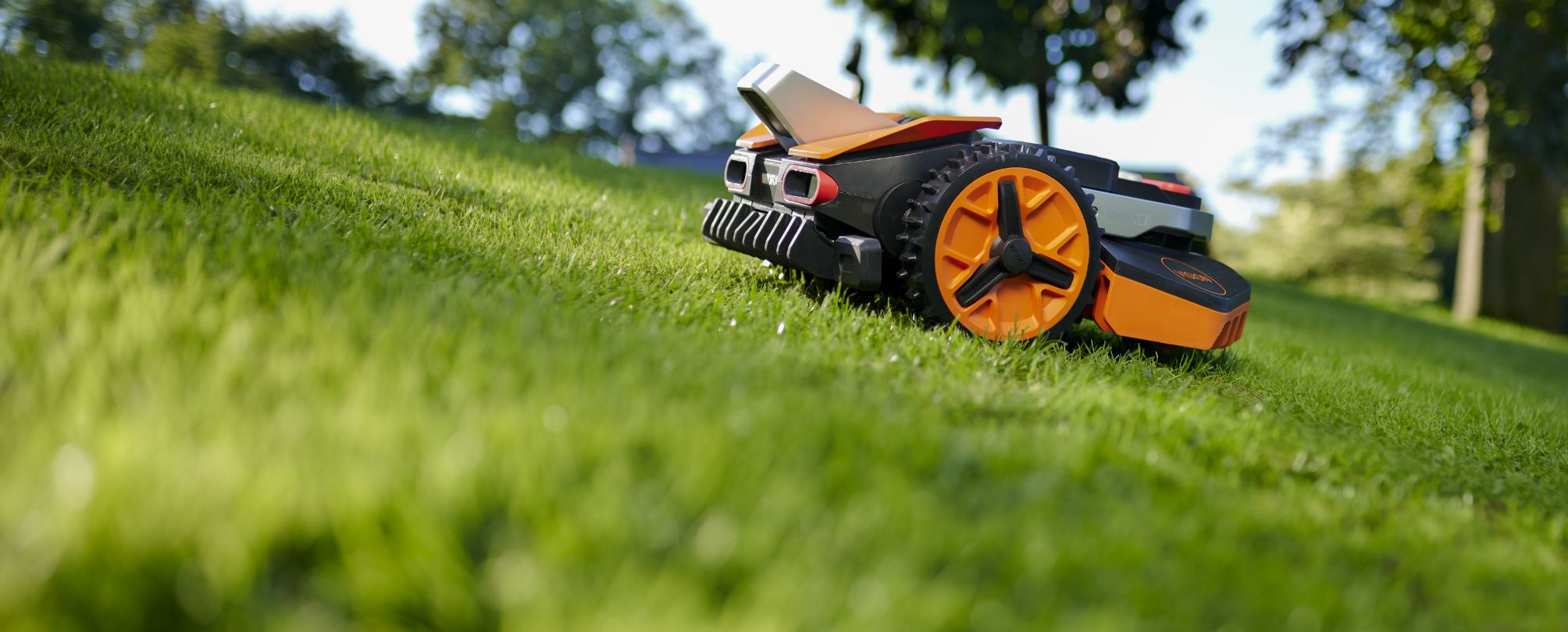
The Landroid Vision is an autonomous robotic lawn mower developed by Worx, a power-tool and outdoor-equipment brand operated by Positec Group, headquartered in China. It is designed to mow residential lawns of up to approximately half an acre without requiring the installation of a traditional buried perimeter wire, relying instead on an onboard AI-powered camera system to distinguish grass, obstacles, and pathways in real time. The Landroid Vision represents a significant departure from conventional robotic mowers that depend on boundary wires or GPS fencing alone. By using computer-vision technology to interpret its environment dynamically, the robot can navigate complex garden layouts, avoid obstacles, and return to its charging station automatically when its battery is depleted. It is marketed primarily at homeowners seeking a low-installation, intelligent lawn-care solution.
461 views
Ecovacs
Ecovacs is a Chinese consumer and commercial robotics manufacturer headquartered in Suzhou, China. The company is best known for its Deebot line of robotic vacuum cleaners and floor-mopping robots, and has expanded its portfolio to include robotic lawn mowers and other home automation products sold globally. Founded and listed on the Shanghai Stock Exchange, Ecovacs operates under the parent group Ecovacs Robotics and distributes products across major markets in Asia, Europe, North America, and beyond. The company positions itself as a technology-driven brand focused on intelligent home cleaning and outdoor maintenance solutions.
438 views
Pudu Robotics
Pudu Robotics is a Shenzhen-based robotics manufacturer specializing in autonomous service robots for commercial and public environments. The company develops and produces robots designed for hospitality, food delivery, and cleaning applications, and has established a presence in markets across Asia, Europe, and beyond. Founded in Shenzhen, China, Pudu Robotics has grown into one of the more prominent names in the service robotics sector. As of public reporting, the company has raised significant investment funding, with a reported $150 million fundraising round pushing its valuation above $1.5 billion, according to The Robot Report.
423 views
Keenon Robotics
Keenon Robotics is a Shanghai-based robotics manufacturer specializing in autonomous service robots for commercial and hospitality environments. The company develops and produces a range of indoor robots designed to assist with food delivery, guest services, and facility cleaning across hotels, restaurants, and other public venues. Founded in China and operating under the website keenon.com, Keenon Robotics has established a presence in the global service robotics market with products such as the DINERBOT and BUTLERBOT series for hospitality use and the KLEENBOT line for commercial cleaning applications.
413 views
 Robot
RobotLOVOT
LOVOT is a home companion robot developed by Japanese startup GROOVE X, designed not to perform household tasks but to foster genuine emotional bonds with its owners. It responds to human presence, touch, and mood through a suite of sensors and expressive behaviors, including large animated eyes, warm body temperature, and soft tactile surfaces. First unveiled in 2018 and made available to consumers in Japan, LOVOT represents a distinct philosophy in robotics: that a robot's value can lie entirely in emotional support and companionship rather than utility. It is the sole product line from GROOVE X and has attracted attention from researchers, media, and consumers interested in the intersection of robotics and emotional well-being.
406 views
Humanoid Robots
Humanoid robots are machines designed to replicate the general form and movement of the human body, typically featuring a bipedal stance, two arms, and a head-like sensor cluster. By mirroring human morphology, they are engineered to operate in environments and with tools originally built for people, making them uniquely versatile across manufacturing, logistics, healthcare, and service settings. The humanoid robot market is widely regarded as one of the fastest-growing segments in robotics. Driven by advances in AI, actuator technology, and battery energy density, a new generation of commercially oriented humanoids has emerged from companies such as Tesla, Boston Dynamics, Figure AI, and Unitree Robotics, among others. Industry analysts broadly expect adoption to accelerate as unit costs fall and software capabilities mature.
383 views
Robot Wheels & Wheel Sets
Robot wheels and wheel sets are foundational mechanical components that enable ground-based mobile robots to navigate their environments. Ranging from standard rubber drive wheels to specialized omnidirectional and mecanum wheel assemblies, these parts are selected based on the robot's required motion profile, payload, surface conditions, and precision demands. They are essential building blocks for autonomous mobile robots (AMRs), differential-drive platforms, research rovers, and educational kits alike. The market for robot wheel components is expanding alongside the broader mobile robotics industry, driven by surging demand for warehouse automation, last-mile delivery platforms, and research-grade robot development. Manufacturers such as Nexus Robot supply purpose-engineered wheel sets—including mecanum wheel assemblies—that allow integrators and developers to rapidly prototype or deploy capable mobile platforms without designing drivetrain hardware from scratch.
369 views
 Robot
RobotKiwi Delivery Robot
The Kiwi Delivery Robot is a Level-4 autonomous sidewalk delivery robot developed by Kiwibot, designed to handle campus and last-mile delivery tasks without requiring continuous human supervision. Operating on pedestrian pathways, it navigates around obstacles, crosses intersections, and delivers food, packages, and other goods directly to recipients at their location. Kiwibot has deployed its robots across university campuses, urban neighborhoods, and corporate campuses, reportedly operating in more than 10 countries across five continents. The platform is positioned as a cost-effective, low-emission alternative to traditional courier services for short-distance, high-frequency delivery scenarios.
357 views
ANYbotics
ANYbotics is a Swiss robotics company specializing in the development and commercialization of autonomous legged robots designed for industrial inspection and security applications. Founded as a spin-off from ETH Zurich, the company is headquartered in Switzerland and is widely recognized for its ANYmal series of quadruped robots. ANYbotics targets industries such as energy, oil and gas, chemicals, and infrastructure, where its robots can operate in complex, hazardous, or hard-to-reach environments. The company's flagship platform, ANYmal, is engineered to carry out autonomous inspection missions, replacing or augmenting human workers in demanding operational settings.
357 views
Serve Robotics
Serve Robotics is a United States-based robotics company specializing in autonomous sidewalk delivery robots designed for last-mile food and package delivery in urban environments. The company develops and operates compact, self-driving robots that navigate pedestrian infrastructure to bring orders directly to customers' doors. Serve Robotics is best known for its Gen 3 delivery robot platform, which represents the company's latest generation of sidewalk delivery technology. As of public reporting, the company has been expanding its footprint through both organic deployment growth and strategic acquisitions, including the reported acquisition of a subsidiary of Diligent Robotics.
351 views
 Robot
RobotKinova Gen3 (7 DoF)
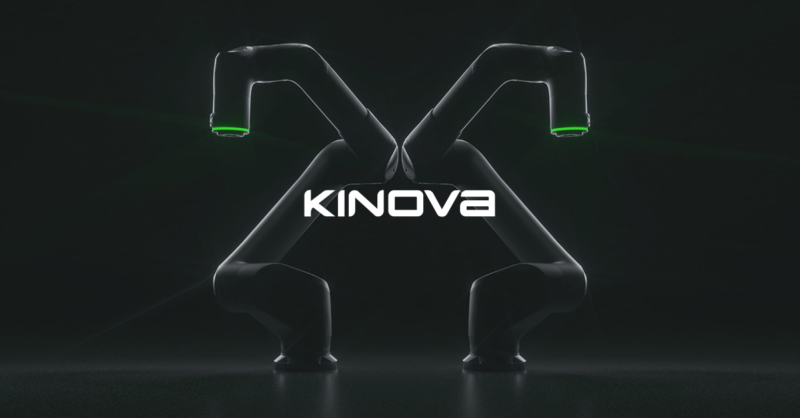
The Kinova Gen3 (7 DoF) is a lightweight, collaborative robotic arm developed by Kinova Robotics, a Canadian company specializing in assistive and research-grade manipulation systems. Featuring seven degrees of freedom, integrated torque sensing in each joint, and an optional vision module, the Gen3 is designed for dexterous manipulation tasks that require human-like reach and flexibility. Its compact form factor and relatively low weight make it well suited for mounting on mobile platforms. The Gen3 is widely adopted in academic research institutions, university robotics labs, and light industrial automation settings. Its open software ecosystem—supporting ROS, Python, and C++ APIs—has made it a popular choice for researchers developing manipulation algorithms, assistive robotics applications, and human-robot interaction studies. The arm is considered a mid-to-high-end research platform in the collaborative robot segment.
346 views
AgXeed - Autonomous Agricultural Robots
AgXeed - Autonomous Agricultural Robots are robotic systems designed to automate farming tasks including weeding, crop monitoring, and field management. The robots utilize advanced AI and precision navigation systems to operate independently in field conditions while reducing labor costs and improving crop yields.
345 views
 Robot
RobotPhoenix
Phoenix is an industrial-grade general-purpose humanoid robot developed by Sanctuary AI, a Canadian robotics company. Standing approximately human height and weight, it is designed to perform dexterous manipulation tasks in real-world work environments, powered by Sanctuary's proprietary Carbon AI control system that enables embodied intelligence and adaptive task execution. Phoenix is positioned as a labor-augmentation platform aimed at industries facing workforce shortages, such as retail, manufacturing, and logistics. Sanctuary AI has described it as one of the world's first human-like intelligence systems in a general-purpose humanoid form factor, with successive generations progressively improving speed, dexterity, and autonomy.
344 views
Worx
Worx is a power tools and outdoor equipment brand with roots in China, offering a range of consumer and semi-professional products sold globally through its regional websites, including the US storefront at us.worx.com. The brand is widely recognized for combining accessible pricing with feature-rich designs across categories such as lawn care, gardening, and home improvement. Among its robotics-oriented offerings, Worx has developed the Landroid Vision, an autonomous robotic lawn mower that represents the company's push into intelligent outdoor automation. With a product portfolio spanning both corded and cordless tools as well as robotic systems, Worx positions itself as a versatile player in the consumer robotics and power-tool market.
343 views
Roborock
Roborock is a Beijing-based consumer and commercial robotics company best known for designing and manufacturing intelligent robotic vacuum cleaners and mopping systems. Founded in China, the company has grown into a globally recognized brand with products sold across North America, Europe, Asia, and beyond, competing at the premium end of the home-cleaning robotics market. Roborock's product lineup centers on autonomous floor-cleaning robots that combine vacuuming and mopping functions, supported by advanced navigation, obstacle-avoidance, and self-maintenance technologies. The company distributes its products through its official website at us.roborock.com as well as major retail and e-commerce channels worldwide.
343 views
Companion Robots
Companion robots are consumer and clinical robots designed primarily to provide emotional support, social interaction, and everyday assistance to their users rather than to perform industrial or precision tasks. They typically combine expressive movement, voice interaction, and sensor-based responsiveness to create a sense of presence and personality, making them feel less like tools and more like social agents. The companion robot market spans a wide range of applications—from therapeutic robots used in eldercare and mental health settings to home companions that entertain children or assist busy households. As populations age in many countries and demand for emotionally intelligent technology grows, industry observers expect this category to expand significantly in the coming years.
340 views
 Manufacturer
Sony
Sony is a Japanese multinational conglomerate headquartered in Japan, best known globally for its consumer electronics, entertainment, and imaging businesses. Within the robotics domain, Sony is recognized as the creator of aibo, one of the world's most iconic consumer companion robots, combining advanced sensing, artificial intelligence, and expressive mechanical design to simulate the behavior of a pet dog. Sony's robotics efforts are centered on the aibo product line, which targets the consumer companion market. The current generation, the ERS-1000, is sold through Sony's dedicated aibo platform and represents the company's long-term commitment to emotionally engaging, AI-driven robotic companions.
338 views
Mammotion
Mammotion is a China-based robotics manufacturer specializing in autonomous outdoor lawn care equipment. The company is best known for developing wire-free robotic lawn mowers that use satellite navigation and computer vision to operate without the perimeter wires traditionally required by competing products. Mammotion markets its products internationally, including in North America and Europe, positioning itself as a technology-forward alternative in the consumer and prosumer robotic mower segment. Its flagship product line, the Luba 2 AWD series, is designed for all-terrain outdoor use and has gained attention from technology media and retail channels including Amazon.
337 views
 Robot
RobotmBot2
The mBot2 is a buildable educational coding robot developed by Makeblock, designed to introduce students to programming, electronics, and robotics through a hands-on, progressive learning experience. Powered by the CyberPi microcontroller, it supports a coding journey that spans block-based visual programming (via mBlock) all the way to Python, making it suitable for learners from elementary through middle school and beyond. The mBot2 incorporates Wi-Fi and IoT connectivity alongside AI-capable features such as image recognition and pose detection, distinguishing it from simpler entry-level robots. It is widely used in K–12 classrooms, STEM clubs, and home education settings, and is regarded as one of Makeblock's flagship consumer-facing educational platforms.
335 views
Mobile Robots
Mobile robots are autonomous or semi-autonomous machines capable of moving through physical environments to perform tasks without being fixed to a single location. Unlike stationary industrial arms or embedded systems, mobile robots navigate floors, corridors, and outdoor terrain using a combination of sensors, mapping algorithms, and onboard compute, making them uniquely versatile across warehouses, hospitals, retail spaces, and beyond. The mobile robot market has expanded rapidly as e-commerce growth, labor shortages, and advances in simultaneous localization and mapping (SLAM) technology have lowered the barriers to deployment. Industry analysts broadly agree that demand for mobile platforms—spanning goods-to-person AMRs, hospital logistics robots, and quadruped research platforms—is among the fastest-growing segments in robotics, with adoption accelerating across both developed and emerging economies.
334 views
 Robot
RobotSecurity Robot S5 PTZ
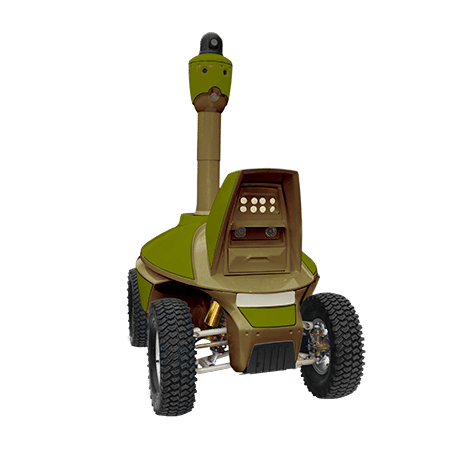
The Security Robot S5 PTZ is an autonomous outdoor mobile surveillance platform developed by SMP Robotics, designed to patrol open spaces, secured perimeters, and large outdoor facilities without continuous human supervision. It is equipped with a long-range pan-tilt-zoom (PTZ) camera system that reportedly enables human recognition at distances of up to 330 feet (approximately 100 metres), making it suited for wide-area monitoring tasks where fixed cameras fall short. SMP Robotics positions the S5 PTZ as an upgrade within its S5 family of security robots, differentiating it from standard variants through its extended-range optical payload. Target customers include critical infrastructure operators, logistics parks, airports, and other organisations requiring scalable, around-the-clock perimeter surveillance with reduced reliance on human guards.
333 views
 Robot
RobotSecurity robots outdoor patrolling, video & thermal surveillance for security service companies
SMP Robotics produces a line of outdoor autonomous security robots designed to perform continuous perimeter patrols and surveillance for security service companies. These robots integrate both standard video cameras and thermal imaging sensors, enabling round-the-clock monitoring of large facilities, industrial sites, and critical infrastructure in varied weather and lighting conditions. Built for rugged outdoor deployment, the robots navigate autonomously along pre-programmed routes and transmit real-time video and alert data to remote operators. They are purpose-built to supplement or reduce reliance on human guards, offering security companies a scalable, cost-effective tool for site protection and threat detection.
329 views
.jpg?width=640) Manufacturer
ManufacturerBoston Dynamics
Boston Dynamics is an American robotics company headquartered in the United States, widely recognized as one of the world's leading developers of advanced mobile robots. The company is best known for producing highly agile, legged robots capable of navigating complex real-world environments, and its products are used across security, industrial, and research applications. Founded as a spin-off from the Massachusetts Institute of Technology, Boston Dynamics has operated under several corporate parents over its history and is currently a subsidiary of Hyundai Motor Group. Its current product lineup includes the quadruped robot Spot, the mobile industrial robot Stretch, and the electric humanoid robot Atlas, reflecting a broad ambition to deploy autonomous robots in commercial and industrial settings.
327 views
 Manufacturer
iRobot
iRobot is an American consumer robotics company headquartered in the United States, best known for pioneering the home robot vacuum market. Founded by roboticists with roots in academic and defense research, the company has grown into one of the most recognized brands in household automation. iRobot's product lineup centers on autonomous floor-cleaning robots, with its flagship Roomba series being widely regarded as the defining product in the robot vacuum category. The company sells its products globally and continues to develop intelligent navigation and cleaning technologies for residential use.
325 views
 Manufacturer
Figure
Figure is an American robotics company focused on the design and development of general-purpose humanoid robots. Headquartered in the United States, the company aims to build autonomous humanoid systems capable of performing a wide range of physical tasks in real-world industrial and commercial environments. Figure's product lineup centers on its Figure 02 humanoid robot, with the Figure 03 reportedly in development and targeting factory production deployments. The company positions itself at the intersection of advanced hardware engineering and artificial intelligence, seeking to address labor shortages and expand the scope of automation across industries.
325 views
 Robot
RobotO-R3 Outdoor Security Robot
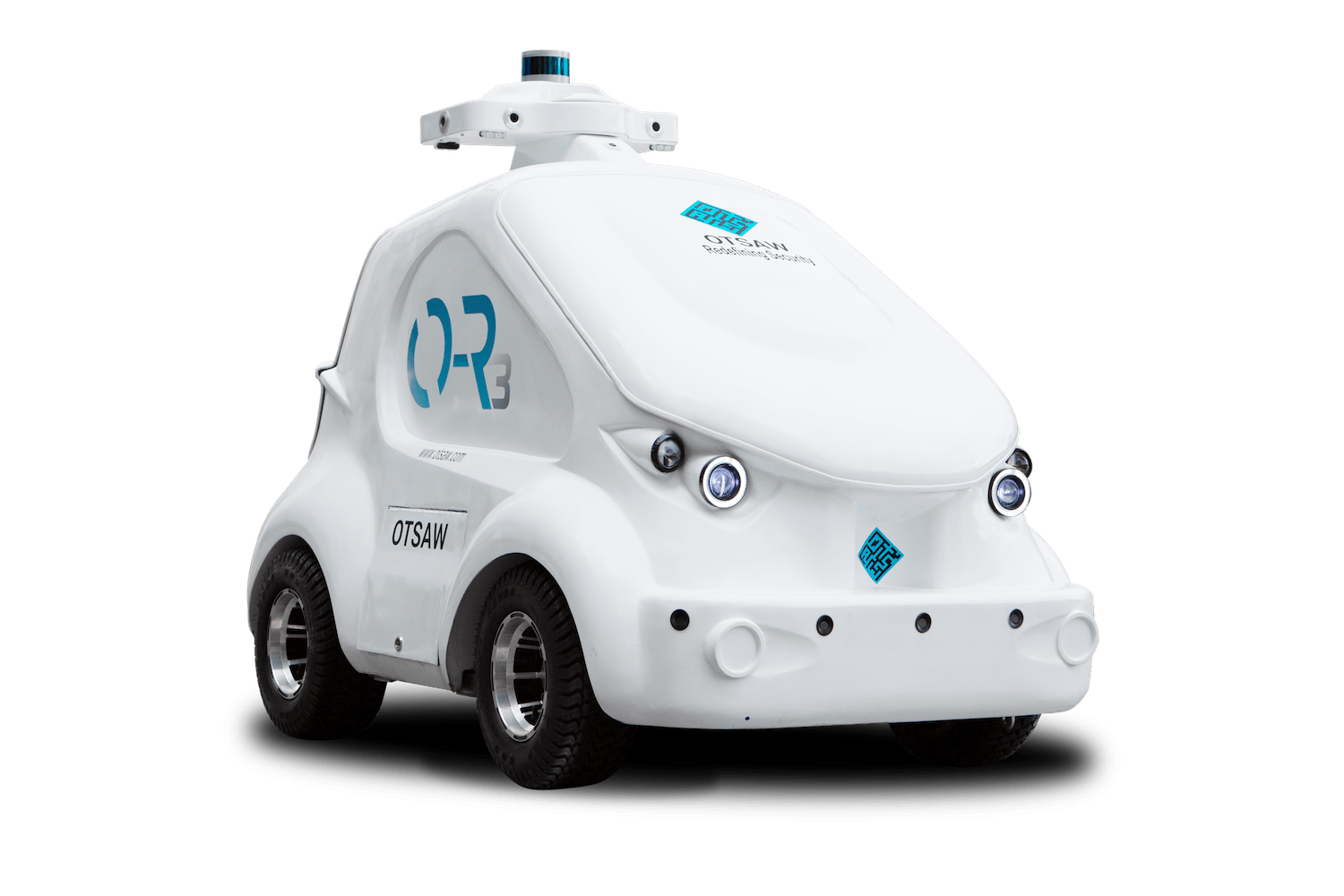
The O-R3 Outdoor Security Robot is an autonomous ground vehicle developed by OTSAW, a robotics company focused on security and surveillance automation. Designed for outdoor perimeter patrol, the O-R3 navigates predefined routes using patented 3D SLAM (Simultaneous Localization and Mapping) technology, continuously monitoring its environment through an array of onboard sensors and alerting human operators when anomalies are detected. Targeted primarily at commercial campuses, industrial facilities, airports, and public spaces, the O-R3 represents OTSAW's flagship outdoor security platform. It is intended to augment or partially replace traditional human guard patrols, offering consistent, around-the-clock surveillance coverage in environments where weather and terrain variability are key operational challenges.
325 views
PARO Robots
PARO Robots is a Japanese robotics company best known for developing PARO, an advanced interactive therapeutic robot designed in the form of a baby harp seal. The company focuses on the intersection of robotics and healthcare, producing companion robots intended to provide emotional support and therapeutic benefits to patients in medical and care settings. Based in Japan, PARO Robots operates in a specialized niche within the global robotics industry, targeting hospitals, nursing homes, and elder-care facilities. PARO has gained international recognition as one of the world's most clinically studied therapeutic robots, with deployments reported across multiple countries.
325 views
Catalia Health
Catalia Health is a United States-based robotics and digital health company focused on patient engagement and chronic disease management. The company develops AI-driven companion robots designed to support patients between clinical visits, helping healthcare providers extend their reach beyond traditional care settings. Catalia Health's primary product is Mabu, a tabletop companion robot that uses conversational AI to conduct personalized health check-ins with patients. The company positions itself at the intersection of robotics, artificial intelligence, and healthcare, targeting hospitals, health systems, and pharmaceutical partners seeking to improve patient outcomes and medication adherence.
323 views
Robot Motors & Actuators
Robot motors and actuators are the core electromechanical components that convert electrical energy into controlled mechanical motion in robotic systems. Ranging from compact brushless DC motors to sophisticated smart servo actuators, these parts form the fundamental building blocks of virtually every robot joint, gripper, and drive system. They are selected based on torque output, speed range, feedback precision, form factor, and communication protocol compatibility. The market for robotic motors and actuators is expanding rapidly alongside the broader robotics industry, driven by demand in industrial automation, collaborative robots, medical devices, and consumer electronics. Manufacturers such as Maxon Group and ROBOTIS have established strong positions by offering high-precision, application-specific solutions, while newer entrants like HEBI Robotics are pushing the boundaries of modular, network-connected smart actuators. As robots become more capable and widespread, the quality and intelligence embedded in their motors and actuators increasingly determines overall system performance.
322 views
Bear Robotics
Bear Robotics is a robotics manufacturer known for developing autonomous service robots designed for commercial and public-facing environments. The company's publicly documented product lineup spans hospitality and security applications, including compact food-service robots and outdoor surveillance platforms. The company's precise founding date, headquarters location, and corporate history are not fully confirmed in available public records as of this writing. Bear Robotics has drawn attention in the service-robotics sector for addressing deployment environments that competing platforms reportedly struggle to navigate, as well as for expanding into outdoor security patrol use cases.
320 views
StarBot Robotics
StarBot Robotics is a Chinese robotics manufacturer based in Shenzhen, China, focused on the development of AI-powered companion robots designed for elder care applications. The company positions itself at the intersection of artificial intelligence and social robotics, aiming to address the growing demand for assistive technology in aging populations. As of public reporting, StarBot Robotics operates out of Shenzhen, a major hub for hardware innovation and electronics manufacturing in southern China. The company's stated mission centers on improving quality of life for elderly users through intelligent, interactive robotic companions.
319 views
KEYi Tech
KEYi Tech is a Chinese consumer robotics company focused on developing intelligent companion robots that combine artificial intelligence, expressive interaction, and accessible design for home users. The company is based in China and operates under the brand identity keyirobot.com, positioning itself within the growing market for AI-powered personal and household robots. KEYi Tech is best known for its flagship product, Loona, a smart pet-like companion robot designed to engage users through dynamic expressions, autonomous navigation, and voice interaction. The company targets consumers seeking emotionally engaging, technology-forward robotic companions rather than purely utilitarian devices.
318 views
 Robot
RobotStretch
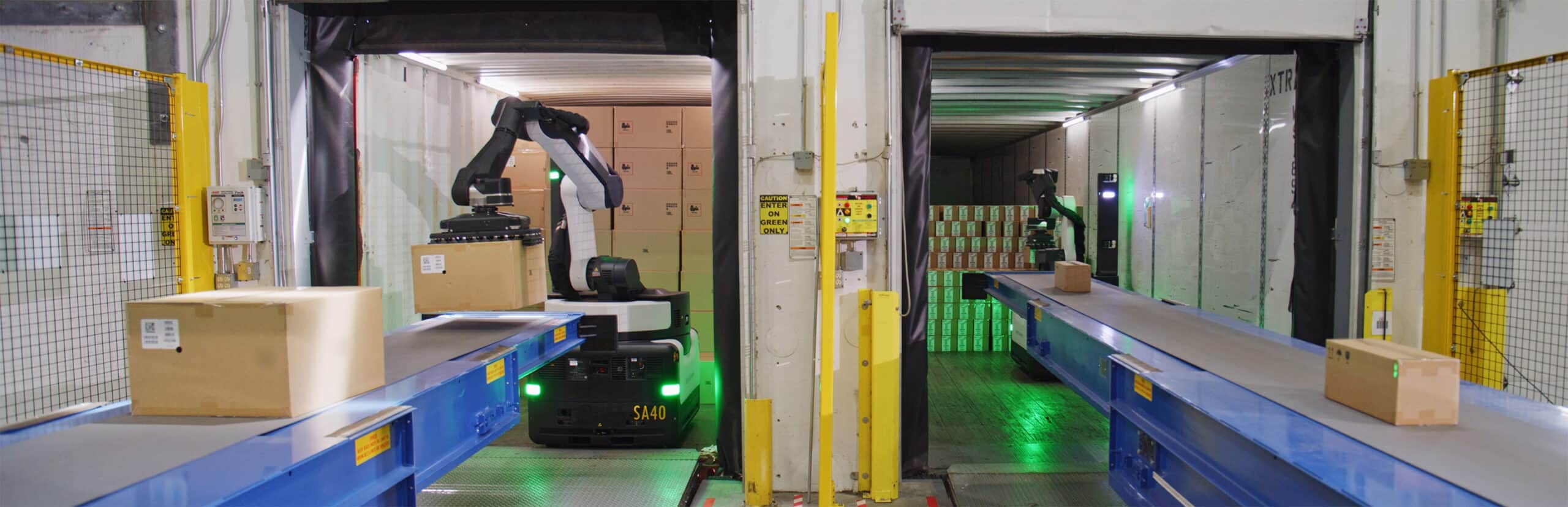
Stretch is a mobile warehouse robot developed by Boston Dynamics, designed specifically for automated case handling in logistics and fulfillment environments. It is capable of unloading trailers and containers, as well as performing case picking, and is engineered to integrate into existing warehouse infrastructure with minimal facility modifications. Manufactured in the United States, Stretch represents Boston Dynamics' focused entry into the industrial logistics market, complementing the company's broader portfolio that includes the quadrupedal Spot robot and the humanoid Atlas platform. The robot targets high-throughput distribution centers and e-commerce fulfillment operations where repetitive heavy lifting poses ergonomic and labor challenges.
318 views
 Manufacturer
Starship Technologies
Starship Technologies is an Estonian robotics company specializing in the design and manufacture of autonomous ground-based delivery robots. Founded in Tallinn, Estonia, the company has become one of the most recognized names in last-mile delivery robotics, deploying its small, wheeled robots on university campuses, corporate parks, and urban neighborhoods across multiple countries. The company's flagship product is a compact, six-wheeled autonomous delivery robot capable of navigating sidewalks and pedestrian pathways to deliver food, groceries, and parcels directly to customers. Starship Technologies operates at the intersection of robotics, artificial intelligence, and logistics, positioning itself as a pioneer in the autonomous last-mile delivery sector.
317 views
Parts & Tools Robots
Parts and tools robots are a broad category of robotic systems and automated devices designed to handle, manipulate, fabricate, or interact with physical components, fasteners, instruments, and tooling in manufacturing, assembly, maintenance, and repair environments. They range from robotic arms equipped with interchangeable end-effectors to autonomous mobile platforms that retrieve and deliver parts across a factory floor, as well as specialized systems that perform tool-changing, kitting, or precision fastening operations. As manufacturing industries worldwide push toward greater flexibility and lights-out automation, the demand for intelligent parts-and-tools handling robots is growing steadily. Advances in machine vision, force-torque sensing, and AI-driven grasping are enabling these robots to work with an increasingly diverse range of components—from tiny electronic connectors to large structural assemblies—positioning the category as a foundational pillar of the smart factory of the future.
317 views
 Manufacturer
Amazon
Amazon is a global technology and e-commerce company headquartered in the United States, widely recognized for its cloud computing, online retail, and logistics operations. In addition to these core businesses, Amazon has made significant investments in robotics, developing consumer and commercial robots that span home companionship and autonomous last-mile delivery. Amazon's robotics efforts include the Amazon Astro home robot and the Amazon Scout sidewalk delivery robot, reflecting the company's broader strategy to integrate autonomous systems into everyday life and its fulfillment ecosystem. These products are developed and deployed primarily in the United States.
315 views
 Robot
RobotOzobot Evo
The Ozobot Evo is a pocket-sized programmable robot designed for K-12 STEM education, produced by Ozobot. It supports two distinct programming modes: screen-free Color Code programming using physical markers drawn on paper, and on-screen block-based coding through the OzoBlockly platform (built on Google's Blockly framework). Together, these modes allow the robot to serve learners from early elementary through high school. Ozobot markets the Evo as a tool for teaching coding fundamentals, computational thinking, and problem-solving in both classroom and home settings. The robot is notably compact — roughly the size of a golf ball — and communicates via Bluetooth, enabling interactive lessons through Ozobot's companion apps and web-based coding environment. It is widely used in school districts and after-school programs across the United States and internationally.
315 views
Husqvarna
Husqvarna is a Swedish outdoor power products manufacturer with a long industrial heritage, headquartered in Sweden. The company is widely recognized for its professional-grade and consumer-grade outdoor equipment, including lawn mowers, chainsaws, and robotic mowing systems. In the robotics space, Husqvarna is best known for its Automower product line — a series of autonomous robotic lawn mowers designed for residential and professional use. The Automower range represents one of the most established robotic mowing platforms in the global market, combining navigation technology, weather resistance, and connectivity features.
312 views
Parts Marketplace
Parts Marketplace is a curated robotics components distributor offering a seed catalog of hardware sourced from leading vendors in the robotics and automation industry. Its product range spans mobility hardware, sensing systems, compute platforms, power solutions, and structural frames, making it a one-stop reference for engineers and integrators building robotic systems. The company's founding location and corporate history are not publicly documented as of current reporting. Its catalog approach — aggregating well-established third-party components rather than manufacturing proprietary hardware — positions it as a procurement and discovery resource for the robotics development community.
309 views
Educational Robots
Educational robots are purpose-built or purpose-adapted robotic platforms designed to teach students and learners concepts in programming, engineering, mathematics, science, and social interaction. Ranging from small, colorful coding toys for young children to sophisticated humanoid platforms used in university research, they share a common goal: making abstract technical concepts tangible and engaging through hands-on experience. The educational robotics market has expanded rapidly alongside growing global interest in STEM and STEAM curricula. Schools, coding academies, libraries, and research institutions increasingly deploy these robots as interactive teaching tools, and the category continues to evolve with advances in AI, cloud connectivity, and curriculum integration.
298 views
Cleaning Robots
Cleaning robots are autonomous or semi-autonomous machines designed to perform floor care, surface sanitation, and general tidying tasks with minimal human intervention. They span a wide spectrum—from compact consumer vacuum-and-mop units found in homes to large commercial scrubbers that navigate warehouses, airports, and hospitals. Equipped with sensors, mapping algorithms, and increasingly sophisticated AI, these robots detect obstacles, plan efficient cleaning paths, and return to base stations for self-maintenance. The cleaning robot market is one of the fastest-growing segments in service robotics, driven by labor shortages, rising hygiene standards, and falling hardware costs. Consumer adoption has matured significantly, while the commercial and industrial segments are accelerating as fleet-management software and cloud connectivity make large-scale deployments more practical. Advances in simultaneous localization and mapping (SLAM), computer vision, and edge AI are continuously raising the bar for what cleaning robots can perceive and accomplish.
298 views
Security Robots
Security robots are autonomous or semi-autonomous machines designed to assist with physical security tasks such as surveillance, perimeter patrol, threat detection, and incident reporting. They are deployed across a wide range of environments—from corporate campuses and shopping malls to airports, warehouses, and outdoor industrial sites—serving as force multipliers for human security personnel. The market for security robots has grown steadily as organizations seek cost-effective, around-the-clock monitoring solutions that reduce reliance on human guards in repetitive or hazardous patrol roles. Advances in computer vision, thermal imaging, AI-based anomaly detection, and mobile robotics platforms are accelerating adoption, with industry observers broadly expecting continued expansion as the technology matures and unit costs decline.
296 views
 Robot
RobotRetriever
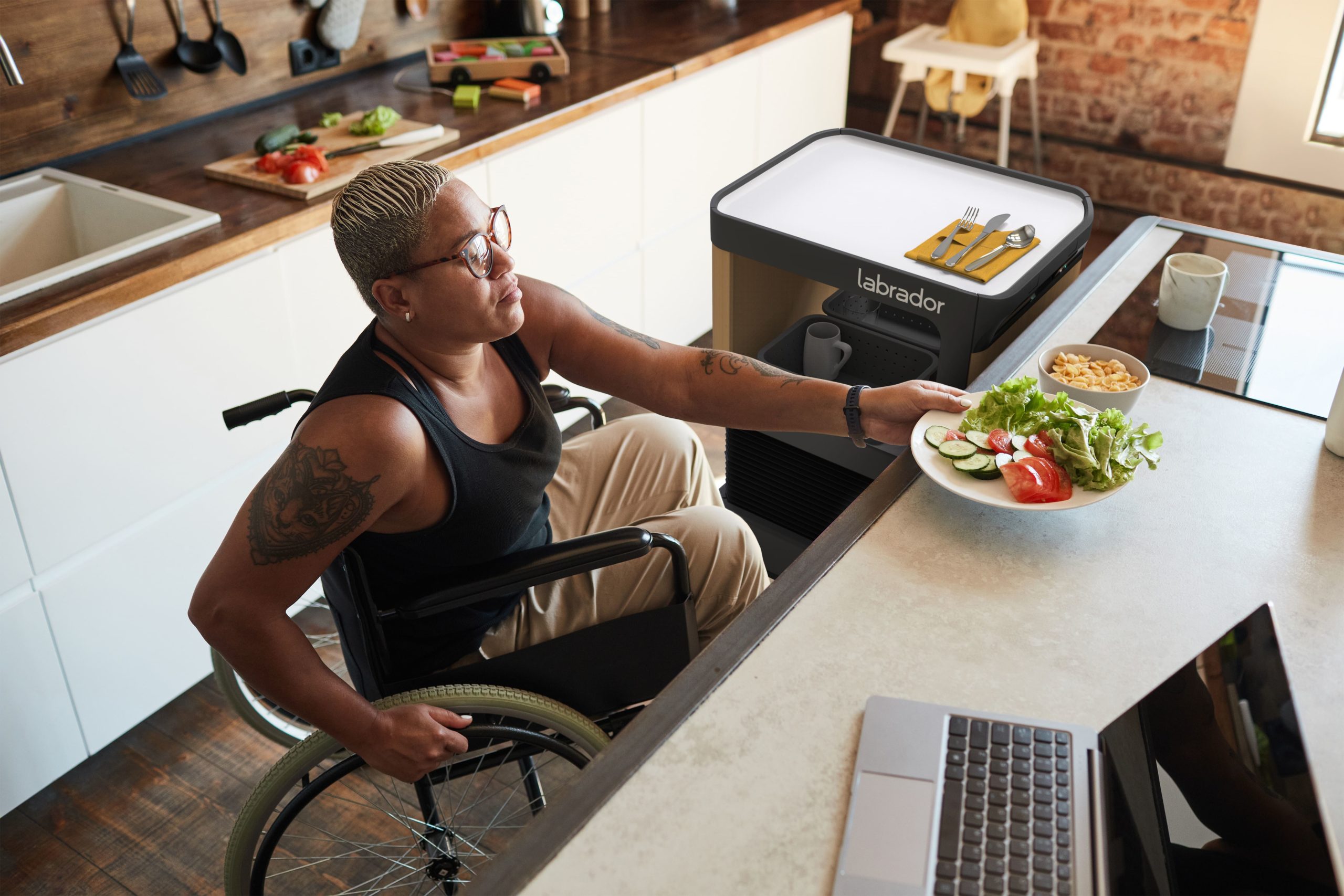
The Retriever is a self-driving assistive home robot developed by Labrador Systems, designed to carry everyday items—such as meals, drinks, laundry, and medications—between rooms for people living with chronic pain, injury, or mobility limitations. By autonomously navigating household environments, the Retriever aims to reduce the physical strain on users and their caregivers, enabling greater independence in daily life. Labrador Systems, a U.S.-based robotics company focused on assistive technology, positions the Retriever as a practical companion for aging adults and individuals with disabilities. The robot operates at low height, sliding under furniture to retrieve items from surfaces such as tables and countertops, and follows users or travels to designated locations on command.
296 views
Hugo™ Robotic-Assisted Surgery (RAS) System
The Hugo™ Robotic-Assisted Surgery (RAS) System is a modular, multi-arm robotic surgical platform developed by Medtronic, one of the world's largest medical device companies. Designed for minimally invasive surgery (MIS), it provides surgeons with high-definition 3D visualization, wristed instrument articulation, and real-time haptic feedback to enhance precision and control during complex procedures across multiple surgical specialties. Hugo entered clinical use following regulatory clearances in select international markets, with Medtronic positioning it as a flexible, OR-integration-friendly alternative in the growing robotic-assisted surgery segment. The system's modular cart-based architecture is intended to simplify setup and adapt to varied operating room configurations, distinguishing it from more monolithic surgical robot designs.
294 views
.jpg?width=640) Manufacturer
ManufacturerTesla
Tesla, Inc. is an American technology and electric vehicle company headquartered in Austin, Texas, best known for its electric cars and energy products. In recent years, Tesla has expanded its ambitions into robotics and artificial intelligence, most notably through the development of its Optimus humanoid robot, which the company positions as a general-purpose autonomous robot intended for both industrial and consumer applications. Tesla's robotics efforts are led by its AI and engineering teams, drawing on the same computer vision, neural network, and autonomous systems expertise developed for its self-driving vehicle programs. The Optimus program represents one of the most high-profile humanoid robot initiatives in the global robotics industry, attracting significant attention from investors, analysts, and the broader technology community.
291 views
Drones
Drones, formally known as unmanned aerial vehicles (UAVs), are aircraft that operate without an onboard human pilot. They are guided autonomously by onboard computers, remotely by a human operator on the ground, or through a combination of both. Originally developed for military reconnaissance and combat missions, drones have expanded into an extraordinarily broad range of civilian and commercial applications, from aerial photography and package delivery to precision agriculture and infrastructure inspection. The drone market is one of the fastest-growing segments in the broader robotics and autonomous systems industry. Advances in battery technology, miniaturized sensors, AI-driven flight control, and regulatory frameworks are collectively accelerating adoption across industries. Analysts broadly agree that commercial and consumer drone use will continue to expand significantly over the coming decade, with urban air mobility and autonomous logistics emerging as particularly high-growth frontiers.
289 views
 Robot
RobotLuckiBot Pro
The LuckiBot Pro is a next-generation AI-powered delivery robot developed by OrionStar Robotics, designed for deployment in hospitality environments such as restaurants and hotels. It is built to autonomously transport food, beverages, and other items to guests, reducing the workload on human staff while maintaining a consistent service experience. The robot features a 240° LiDAR sensor combined with dual RGB-D 3D cameras for obstacle avoidance, a 14.1-inch HD touchscreen display for guest interaction, and an industry-notable dish recognition camera that allows it to identify and manage food items. These capabilities position the LuckiBot Pro as one of the more sensor-rich hospitality delivery robots in its category.
283 views
Delivery Robots
Delivery robots are autonomous or semi-autonomous ground vehicles designed to transport goods — most commonly food, parcels, and medical supplies — over short to medium distances without a human driver. Operating on sidewalks, campuses, and indoor facilities, they navigate using a combination of cameras, lidar, ultrasonic sensors, and AI-driven perception software to avoid obstacles and reach designated drop-off points safely. The category has grown rapidly alongside the expansion of on-demand commerce and last-mile logistics, with deployments spanning university campuses, urban neighborhoods, hospitals, and warehouses. Industry analysts broadly expect continued strong growth as labor costs rise, consumer expectations for fast delivery intensify, and regulatory frameworks in many jurisdictions begin to formally accommodate sidewalk and low-speed autonomous vehicles.
283 views
Surgical Robots
Surgical robots are computer-assisted mechanical systems designed to support, augment, or partially automate procedures performed by trained surgeons. They typically combine robotic arms, advanced imaging, haptic feedback, and precision motion control to enable minimally invasive operations with greater accuracy than is achievable by human hands alone. Common applications span soft-tissue surgery, orthopedic procedures, neurosurgery, and dental implant placement, among others. The surgical robotics market has grown substantially over the past two decades and continues to expand as hospital systems seek to reduce patient recovery times, minimize surgical complications, and standardize procedural outcomes. Advances in artificial intelligence, miniaturization, and real-time imaging are accelerating the development of next-generation platforms, with a broadening range of specialties adopting robotic assistance.
282 views
 Robot
RobotEC-i 40 Brushless Motor
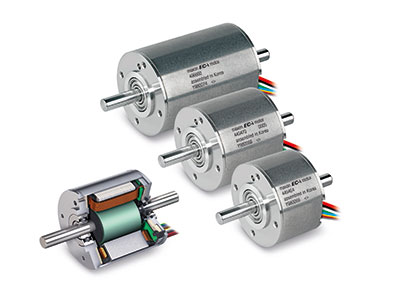
The EC-i 40 is a 40 mm diameter brushless DC (BLDC) motor produced by Maxon Group, a Swiss precision drive specialist. It features iron-core windings designed to deliver high torque density in a compact form factor, while maintaining relatively low cogging torque for smooth motion control. Targeted at robotics, industrial automation, and mobile equipment applications, the EC-i 40 is positioned as a high-performance component for engineers who need a powerful yet space-efficient drive solution. It belongs to Maxon's broader EC-i series, which emphasizes a balance between output torque and physical size.
277 views
 Robot
RobotSphero BOLT
The Sphero BOLT is a programmable robotic ball designed primarily for K–12 STEM education. Manufactured by Sphero, it features a transparent shell housing an 8×8 RGB LED matrix, an infrared sensor, a compass, an accelerometer, and a gyroscope, enabling a wide range of coding and interactive activities. Students can program the BOLT using block-based drag-and-drop coding, a drawing-based interface, JavaScript, or Python through the Sphero Edu app, making it accessible to beginners while offering depth for more advanced learners. The BOLT is positioned as a classroom-ready tool, supporting multi-robot activities through its infrared communication capability, which allows multiple BOLTs to sense and interact with one another. It is rechargeable via an inductive charging cradle and is designed to be durable enough for repeated classroom use. Sphero markets the BOLT to educators, school districts, and coding camps as a versatile, engaging platform for teaching computational thinking and programming fundamentals.
277 views
Robot Leg Modules & Replacement Parts
Robot leg modules and replacement parts are purpose-built mechanical and electromechanical assemblies designed to serve as the lower-limb components of legged robotic systems. They encompass everything from individual actuated joints and structural limb segments to fully integrated leg assemblies that can be swapped into a host robot platform, enabling rapid repair, capability upgrades, or research customization without rebuilding an entire system from scratch. As legged robotics matures from laboratory curiosity to commercial deployment, the market for modular leg components is expanding alongside it. Demand is driven by field operators who need fast maintenance turnaround, research institutions that require interchangeable hardware for experiments, and manufacturers seeking to extend the service life of expensive platforms. Industry observers expect this segment to grow in step with the broader humanoid and quadruped robot markets over the coming decade.
277 views
Dyson
Dyson is a British technology and engineering company headquartered in the United Kingdom, widely recognized for its consumer appliances including vacuum cleaners, air purifiers, hair care devices, and lighting products. The company has expanded into robotics with its autonomous cleaning platform, applying its expertise in motor technology, fluid dynamics, and sensor systems to develop intelligent home robots. Dyson's robotics efforts are represented by its 360 Vis Nav robot vacuum, which reflects the company's focus on high-performance suction, advanced navigation, and whole-home cleaning intelligence. Dyson products are sold globally, and the company is regarded as a premium engineering brand with a strong emphasis on research and development.
275 views
Industrial Robots
Industrial robots are programmable, automated machines designed to perform tasks in manufacturing, logistics, construction, and other demanding operational environments. They range from stationary robotic arms on assembly lines to mobile platforms that navigate warehouses, and increasingly include wearable exoskeletons that augment human workers in physically intensive settings. The industrial robotics market has expanded rapidly in recent decades, driven by labor shortages, rising quality demands, and the push toward smart manufacturing. Advances in mobility, sensing, and human-robot collaboration are blurring the line between traditional factory automation and newer, more flexible robotic systems capable of operating alongside people in dynamic environments.
272 views
Hospitality Robots
Hospitality robots are autonomous or semi-autonomous machines designed to assist with service tasks in hotels, restaurants, cafes, bars, and other guest-facing environments. They typically handle functions such as food and beverage delivery, room service, concierge guidance, and automated drink preparation, freeing human staff to focus on higher-value guest interactions. The hospitality robotics market has grown steadily in recent years, accelerated by labor shortages, rising wage pressures, and heightened hygiene awareness following the COVID-19 pandemic. Industry observers expect continued expansion as robot hardware becomes more affordable, navigation technology matures, and operators gain confidence in deploying autonomous systems alongside human teams.
272 views
Robot Parts & Cables
Robot parts and cables form the essential connective and structural backbone of virtually every robotic system. This category encompasses the discrete components—wiring harnesses, power cables, signal cables, connectors, tubing, and associated mechanical or electrical sub-assemblies—that enable robots to transmit power, data, and motion commands reliably across their joints, actuators, and control systems. Without high-quality cables and parts, even the most sophisticated robot platform cannot function safely or consistently. The market for robot parts and cables is expanding in step with the broader robotics industry, driven by growth in industrial automation, collaborative robotics, autonomous mobile robots, and emerging humanoid platforms. Suppliers range from large industrial conglomerates to specialized cable manufacturers, and demand is increasingly shaped by requirements for flexibility, miniaturization, and resistance to harsh operating environments. As robot deployments scale globally, the supply chain for parts and cables is becoming a strategic focus for both robot makers and end users.
271 views
Akara Robotics
Akara Robotics is an Irish robotics company focused on developing socially intelligent robots designed to assist people in care and companionship settings. Based in Ireland, the company operates at the intersection of artificial intelligence and human-centered robotics, with a mission to improve quality of life for vulnerable populations such as the elderly. The company's primary product is Stevie, a companion robot built to interact naturally with humans in social and care environments. Akara Robotics positions itself within the growing global market for assistive and social robotics, leveraging advances in AI to enable meaningful human-robot interaction.
270 views
Robotic Arms
Robotic arms are articulated mechanical limbs designed to replicate or extend the reach, dexterity, and manipulation capabilities of a human arm. They range from compact, lightweight units intended for collaborative or mobile platforms to heavy-duty industrial manipulators capable of handling large payloads with high precision. As standalone end-effectors or as integrated subsystems on mobile robots, robotic arms are among the most versatile and widely deployed hardware in modern robotics. The market for robotic arms spans manufacturing, logistics, healthcare, research, and field robotics. Demand is growing as manufacturers seek flexible automation and as mobile robots increasingly require manipulation capabilities beyond simple locomotion. Collaborative arms, lightweight research platforms, and arms designed for deployment on legged or wheeled robots represent some of the fastest-evolving segments in the industry.
269 views
Robot Parts & Frames
Robot parts and frames are the structural and mechanical building blocks used to construct, customize, or upgrade robotic systems. This category encompasses chassis, exoskeletons, mounting brackets, linkages, and other load-bearing or shape-defining components—ranging from simple aluminum profiles to precision-machined carbon fiber quadruped frames. They are essential to both hobbyist makers and professional engineers who need a reliable physical foundation before integrating electronics, actuators, and software. The market for robot parts and frames is expanding rapidly alongside the broader robotics industry. Falling costs for advanced materials such as carbon fiber and the rise of desktop CNC and 3D-printing services have made high-performance structural components accessible to small teams and individual developers. As legged robots, drones, and collaborative arms move from research labs into commercial deployment, demand for modular, lightweight, and mechanically robust frames continues to grow.
267 views
Outdoor Robots
Outdoor robots are autonomous or semi-autonomous machines designed to operate in unstructured, open-air environments such as lawns, fields, construction sites, and public spaces. Unlike their indoor counterparts, they must contend with variable terrain, weather conditions, and unpredictable obstacles, making robust sensing and navigation essential to their design. Common applications include lawn mowing, agricultural monitoring, perimeter security, and last-mile delivery. The outdoor robot market has expanded rapidly as consumer demand for smart home automation and precision agriculture has grown. Advances in GPS-RTK positioning, computer vision, and edge AI have enabled a new generation of outdoor robots capable of operating with minimal human supervision. Industry analysts broadly expect continued strong growth in this segment, driven by labor shortages, sustainability goals, and falling hardware costs.
266 views
Parts & Sensors
Parts and sensors are the foundational building blocks of modern robotic systems, enabling machines to perceive their environment, measure physical forces, and navigate complex spaces. This category encompasses a wide range of hardware components—including depth cameras, LiDAR units, and force/torque sensors—that are integrated into robots across industrial, research, medical, and consumer applications. As robotics systems grow more sophisticated, demand for high-performance, compact, and cost-effective sensing components continues to accelerate. Market observers broadly agree that advances in sensor miniaturization, AI-driven signal processing, and multi-modal sensor fusion are reshaping what autonomous and collaborative robots can achieve, driving sustained growth across the sector.
265 views
 Robot
RobotK5
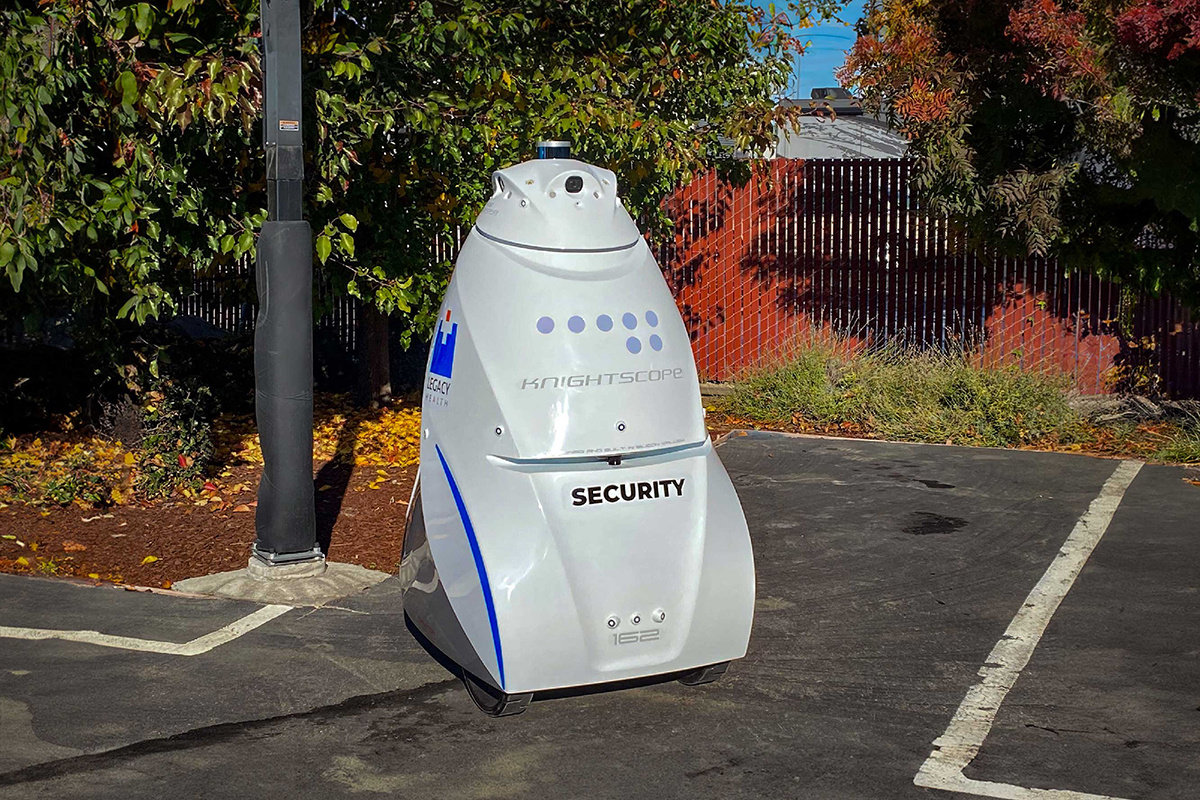
The K5 is an autonomous outdoor security robot developed by Knightscope, a Silicon Valley–based public safety technology company. Standing approximately five feet tall and weighing around 400 pounds, it functions as a mobile sensor platform designed to patrol parking lots, corporate campuses, shopping centers, and other open-air environments around the clock. Equipped with 360-degree HD video cameras, license-plate recognition (LPR), thermal imaging, and people-detection analytics, the K5 is offered under a machine-as-a-service (MaaS) subscription model that includes 24/7 remote monitoring support. It is one of Knightscope's flagship products and among the most widely recognized autonomous security robots deployed commercially in the United States.
264 views
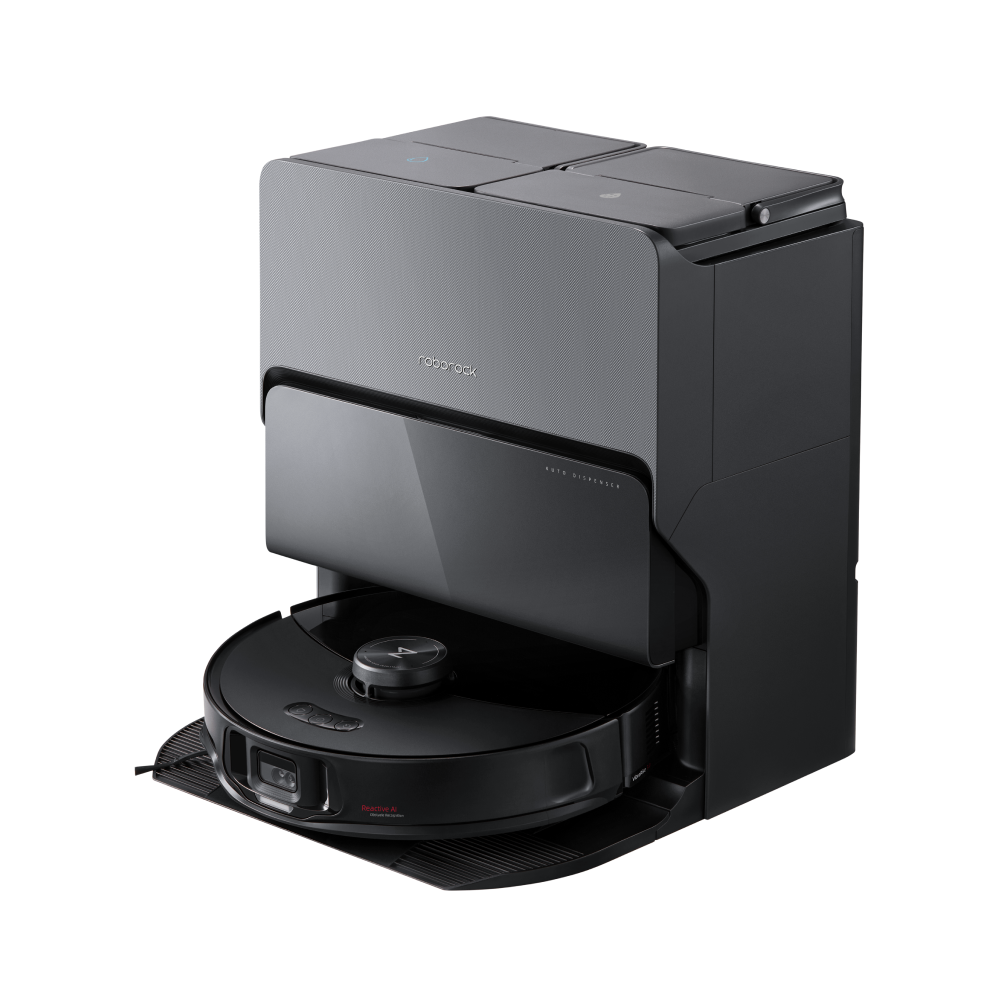 Robot
RobotS8 Pro Ultra
The Roborock S8 Pro Ultra is a premium consumer robot vacuum and mop combo produced by Roborock, a Chinese robotics company headquartered in Beijing. It combines automated vacuuming and sonic mopping into a single device, targeting households that want a largely hands-off floor-cleaning experience across hard floors and carpets. The S8 Pro Ultra ships with the RockDock Ultra all-in-one base station, which handles automatic dustbin emptying, mop washing, and clean-water refilling without user intervention. Key headline features include VibraRise 2.0 sonic mopping technology, which vibrates the mop pad at high frequency while automatically lifting it over carpets, and Reactive 3D obstacle avoidance, which uses structured-light sensing to detect and navigate around objects in real time.
263 views
Robot Battery Packs
Robot battery packs are purpose-built energy storage units designed to power autonomous robots, mobile platforms, and robotic systems across industrial, commercial, and research environments. Unlike general-purpose consumer batteries, these packs are engineered for demanding duty cycles, high discharge rates, thermal stability, and compatibility with the voltage and communication protocols common in robotics applications. Lithium Iron Phosphate (LiFePO4) chemistry has become particularly prominent in this segment due to its favorable safety profile, long cycle life, and stable performance across a wide temperature range. As robotics deployments scale from pilot projects to full production environments, reliable and long-lasting power solutions have become a critical enabling technology. The market for robot-grade battery packs is growing alongside broader adoption of autonomous mobile robots (AMRs), delivery robots, humanoid platforms, and industrial manipulators. Suppliers such as BattGo are addressing this demand with high-voltage, high-capacity packs—such as 48V LiFePO4 configurations—that meet the energy density and safety requirements of modern robotic systems.
262 views
Underwater ROVs for Ship Hull Inspections | Blueye Robotics
Blueye Robotics produces a line of compact, remotely operated underwater vehicles (ROVs) engineered for ship hull inspections and other subsea survey tasks. Founded in Norway, Blueye Robotics has positioned its drones as accessible, professional-grade tools that allow maritime operators to visually assess hull condition, detect corrosion, inspect propellers, and monitor marine biofouling — all without the cost and downtime of drydocking a vessel. The Blueye ROV lineup, which includes models such as the Blueye Pioneer and Blueye Pro, is designed for ease of deployment by a small crew and integrates high-definition cameras, depth sensors, and stable thrusters to navigate challenging underwater environments. These vehicles serve commercial shipping companies, port authorities, offshore operators, and inspection service providers seeking efficient, regulation-compliant hull condition monitoring.
259 views
Parts Controllers
Parts controllers are embedded computing modules and system-on-module (SoM) platforms that serve as the computational brain of robotic systems. Rather than complete robots in themselves, they are specialized hardware components designed to handle perception, inference, motion planning, and real-time control tasks within a broader robotic or autonomous system. Products such as the NVIDIA Jetson Orin NX and Jetson Orin Nano Dev Kit exemplify this category, offering high-performance AI acceleration in compact, power-efficient form factors suitable for edge deployment. The market for parts controllers is expanding rapidly alongside the broader robotics and autonomous systems industry. As robots take on more complex tasks in manufacturing, logistics, healthcare, and consumer applications, the demand for capable, energy-efficient edge AI compute modules continues to grow. Industry observers expect this segment to remain a critical enabler of next-generation robotics, with leading semiconductor and computing companies competing to deliver ever-higher AI inference performance within tight size, weight, and power (SWaP) constraints.
255 views
.jpg?width=640) Manufacturer
ManufacturerKnightscope
Knightscope is an American robotics and security technology company headquartered in the United States, specializing in the design and deployment of Autonomous Security Robots (ASRs) for physical security applications. The company develops machines intended to augment human security teams by providing continuous, data-driven surveillance across a wide range of environments including campuses, parking facilities, shopping centers, and corporate properties. Knightscope's flagship product line centers on the K5 Autonomous Security Robot, a large, egg-shaped mobile unit equipped with an array of sensors, cameras, and communication systems. The company markets its robots on a subscription-based model, positioning autonomous security as an accessible and scalable alternative or complement to traditional manned guarding services.
254 views
 Robot
RobotLuba 2 AWD
The Luba 2 AWD is a wire-free, all-wheel-drive robotic lawn mower developed by Mammotion, a Chinese robotics company. It uses RTK-GNSS satellite positioning to map and navigate mowing zones without requiring the installation of boundary wires, and is designed to handle multi-acre residential and light commercial properties with minimal human intervention. The robot is notable for its reported ability to climb slopes of up to 75% gradient, dual-vision obstacle avoidance, and support for multi-zone scheduling managed through a companion smartphone application. As of public reporting, the Luba 2 AWD is positioned as a premium autonomous outdoor mowing solution targeting homeowners and property managers who need reliable, unattended lawn care on challenging terrain.
238 views
RoboMaster S1
The RoboMaster S1 is an intelligent educational robot developed by DJI, the Chinese technology company best known for its consumer and professional drones. Designed for users aged 8 and above, the S1 combines hands-on STEM learning with competitive gameplay, allowing users to program the robot, engage in multiplayer battles, and explore artificial intelligence concepts through an accessible software environment. The S1 features a mecanum-wheel drivetrain for omnidirectional movement, an onboard camera with first-person view (FPV) capability, and a gel-bead launcher for competitive play. It supports programming in both Scratch and Python, making it suitable for beginners and more advanced learners alike. The robot is positioned as a flagship consumer-educational product within DJI's RoboMaster ecosystem.
235 views
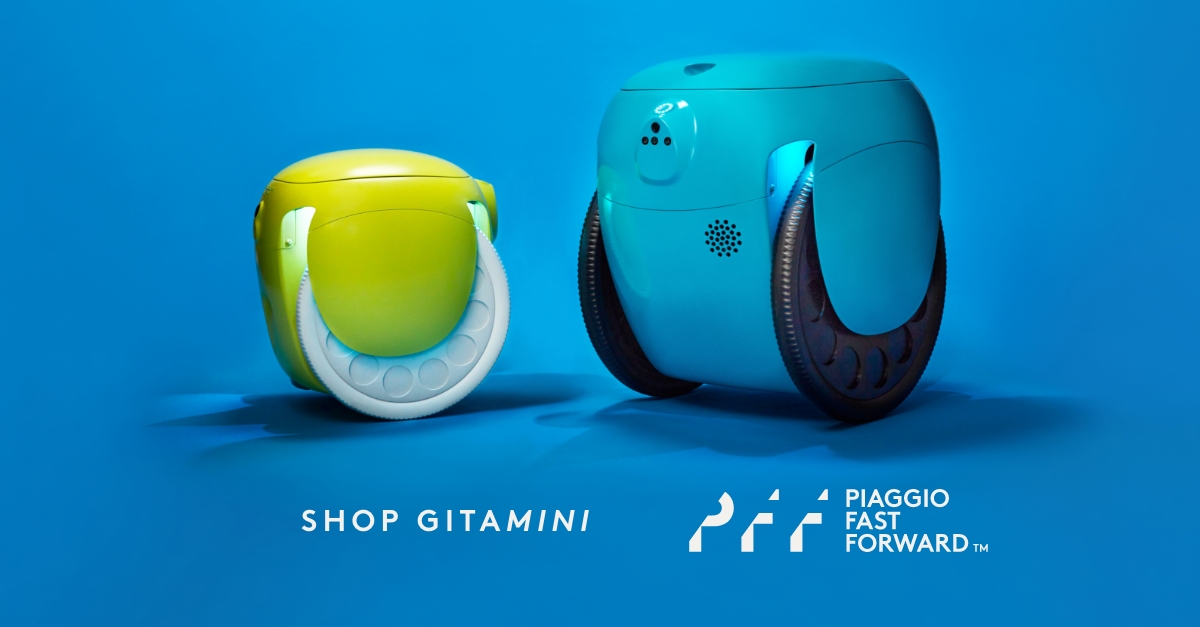 Robot
Robotgitamini
The gitamini is a compact, cargo-carrying personal following robot developed by Piaggio Fast Forward (PFF), a subsidiary of the Italian mobility company Piaggio Group. Designed for everyday pedestrian use, it autonomously follows its owner using computer-vision-based tracking, carrying personal items hands-free at walking pace across sidewalks, campuses, and urban environments. The gitamini is the smaller sibling of PFF's original gita robot, offering a more portable form factor while reportedly retaining the core follow-me functionality and a payload capacity of up to approximately 20 lb (around 9 kg). It targets individual consumers and enterprise customers seeking a last-mile personal cargo solution.
234 views
 Robot
RobotKettyBot
KettyBot is a slim, multipurpose service robot developed by Pudu Robotics, a Shenzhen-based company specializing in commercial service robots. Designed primarily for the hospitality sector, it functions as both a food-delivery robot and a digital advertising platform, navigating narrow restaurant aisles and hotel corridors while looping promotional content on a prominent front-facing display. The robot's dual role as a delivery assistant and a marketing surface distinguishes it from single-purpose peers. Its relatively compact chassis allows it to operate in environments where wider robots would struggle, and its 18.5-inch front display gives venue operators a passive revenue or branding channel between delivery runs.
229 views
 Robot
RobotFreo
The Narwal Freo is a consumer robot vacuum and mop hybrid developed by Narwal, a Chinese robotics company. It is designed for autonomous floor cleaning in home environments, combining vacuuming and mopping functions with an intelligent auto-dirt-sense system that reportedly adjusts mopping passes based on detected floor soiling levels. A key feature of the Freo is its self-maintaining base station, which uses a dual-tank design to automatically wash and dry the mop pads between cleaning runs, reducing the need for manual maintenance. The robot is positioned in the premium consumer segment and is closely related to the Narwal Freo X Ultra, a sibling model that builds on the Freo platform with additional enhancements.
216 views
K7
The Knightscope K7 is an autonomous ground-based security robot developed by Knightscope, Inc., a U.S.-based public safety technology company. Designed for both indoor and outdoor environments, the K7 performs continuous, unmanned surveillance patrols, leveraging a sensor suite that reportedly includes high-definition cameras, thermal imaging, and LiDAR to provide comprehensive situational awareness around the clock. The K7 is positioned as a force-multiplier for security operations at large commercial, industrial, and campus-style facilities. It integrates with existing security infrastructure to deliver real-time alerts and data analytics, aiming to deter criminal activity and reduce the burden on human security personnel.
213 views
E2E Robotics 1778179476995
E2E Robotics 1778179476995 is a robotics manufacturer whose headquarters location, founding history, and operational details are not publicly documented at this time. The company appears in industry registries under the identifier 1778179476995, though no further descriptive information, product listings, or official web presence have been confirmed as of current public reporting. Without verified details on its product lineup, target markets, or geographic base of operations, little can be stated with certainty about E2E Robotics 1778179476995's scope or specialization. This page will be updated as additional information becomes available.
209 views
Carbon Robotics Laserweeder
The Carbon Robotics Laserweeder is an autonomous robotic system that uses laser technology and AI-powered vision to identify and eliminate weeds in agricultural fields while preserving crops. The system operates continuously across large farming areas as an alternative to chemical herbicide application.
202 views
Groove X
Groove X is a Japanese robotics company focused on the development of companion robots designed to enrich human emotional well-being. Founded and headquartered in Japan, the company operates at the intersection of robotics engineering, artificial intelligence, and human-centered design, with a mission centered on creating robots that people can genuinely love rather than merely use as tools. The company's primary product is LOVOT, a social companion robot built to evoke warmth and emotional connection in its human owners. Rather than pursuing productivity or task automation, Groove X has carved out a distinctive niche in the robotics industry by prioritizing emotional value, making LOVOT one of the most recognized companion robots in the Japanese market and increasingly known internationally.
178 views
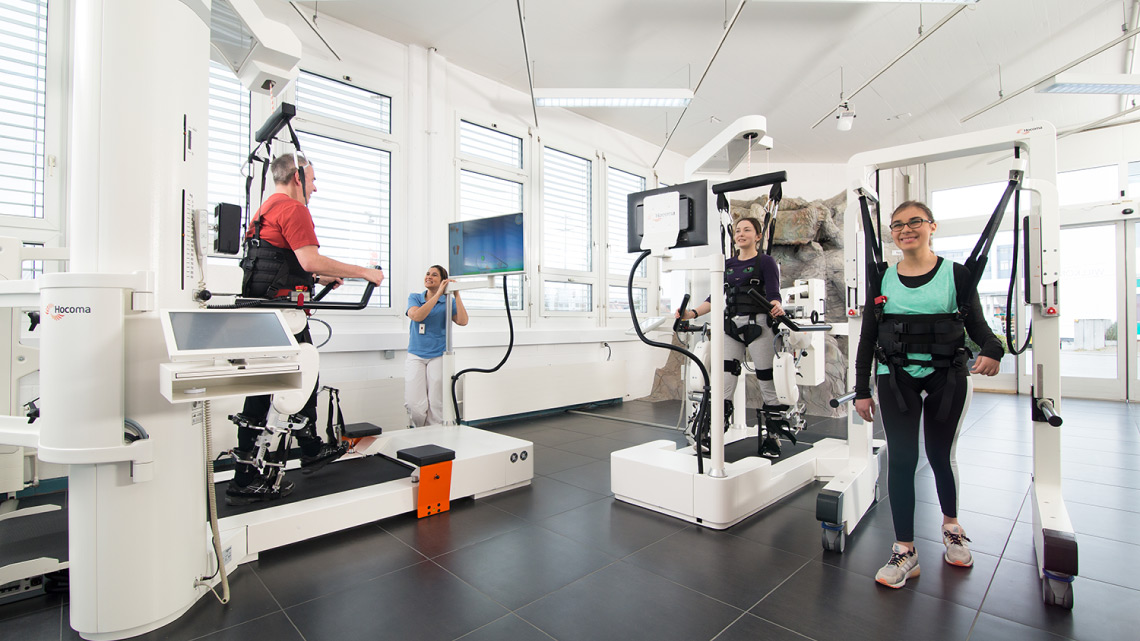 Robot
RobotLokomat
The Lokomat is a robot-assisted gait rehabilitation device developed by Hocoma, a Swiss medical robotics company now operating under the DIH (Digital Innovation in Healthcare) group. Designed for use in clinical settings, it combines a powered lower-limb exoskeleton with a body-weight support system and a treadmill to deliver intensive, physiologically accurate walking therapy to patients with neurological gait impairments—such as those caused by stroke, spinal cord injury, or multiple sclerosis. The system incorporates augmented performance feedback tools that allow therapists to monitor patient effort and adjust assistance levels in real time, aiming to promote neuroplasticity and motor recovery. The Lokomat is widely regarded as one of the most clinically studied robotic gait rehabilitation platforms in the world, with deployments reported across rehabilitation hospitals and research institutions globally.
176 views
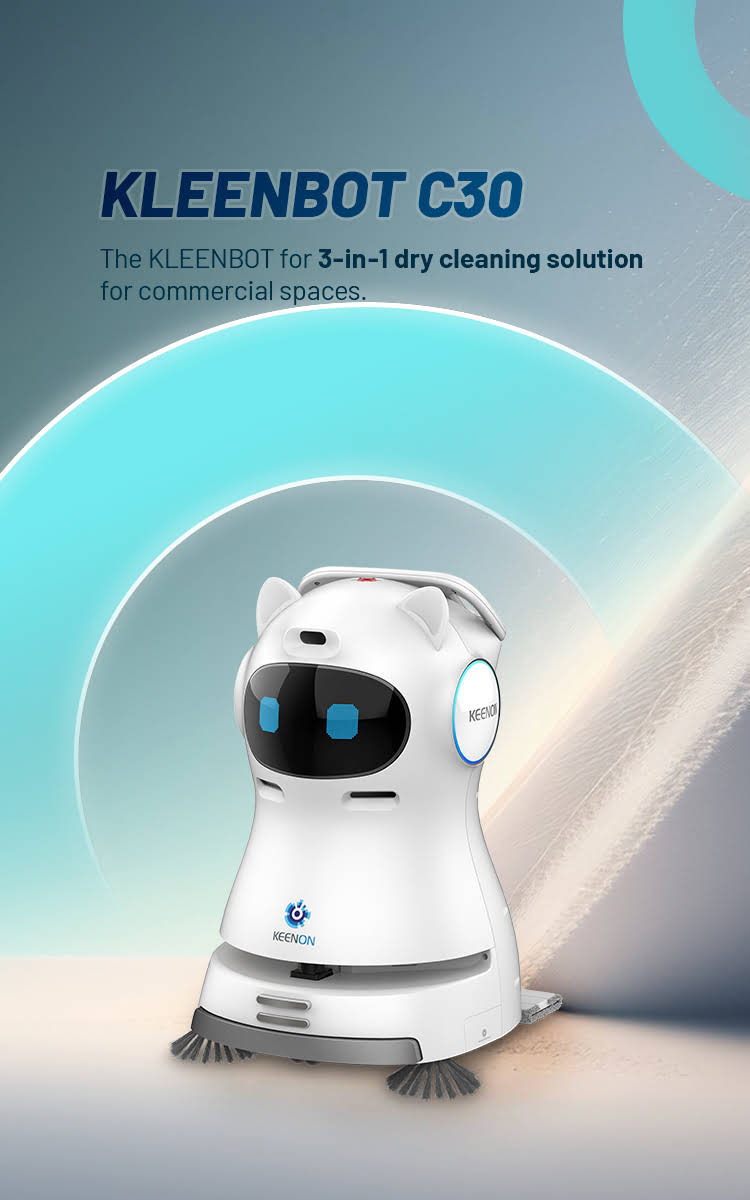 Robot
RobotKLEENBOT C30
The KLEENBOT C30 is a commercial indoor cleaning robot developed by KEENON Robotics, a Chinese service-robotics company headquartered in Shanghai. It integrates three cleaning functions — sweeping, vacuuming, and dry dust-mopping — into a single autonomous platform designed for high-end environments such as hotels, corporate offices, and retail spaces. The C30 is engineered for quiet, water-free dry-cleaning operation, making it suitable for premium flooring surfaces where wet mopping could cause damage or disruption. As part of KEENON's expanding service-robot portfolio — which also includes hospitality delivery robots such as the DINERBOT T9 Pro and BUTLERBOT W3 — the KLEENBOT C30 represents the company's push into the commercial cleaning segment.
171 views
 Robot
RobotServe Gen 3
The Serve Gen 3 is a sidewalk delivery robot developed by Serve Robotics, a San Francisco-based company spun out of Postmates. Designed for last-mile food and package delivery on public sidewalks, it operates commercially in Los Angeles and other markets through a partnership with Uber Eats, representing one of the most visible autonomous sidewalk delivery deployments in the United States. The Gen 3 achieves Level 4 autonomy on sidewalks, meaning it can navigate its environment without human intervention under defined conditions. It reaches a reported top speed of 11 mph and features a lockable internal compartment that recipients open with a unique code, ensuring secure handoff. The robot is intended for urban and suburban environments where it can travel alongside pedestrians to complete short-distance deliveries.
170 views
KR236S
The Kress KR236S is a robotic lawn mower produced by Kress, a brand associated with outdoor power equipment. Designed for residential use, it autonomously navigates and mows lawns, using onboard sensors and scheduling software to maintain grass without manual intervention. The KR236S targets homeowners seeking a low-effort, automated approach to lawn care. It is reported to operate quietly and handle varied lawn conditions, making it a practical option in the growing consumer robotic mower segment.
167 views
 Robot
RobotHAL (Hybrid Assistive Limb)
The HAL (Hybrid Assistive Limb) is a wearable cyborg-type robotic exoskeleton developed by CYBERDYNE INC. of Japan. It works by detecting faint bio-electrical signals on the wearer's skin surface — signals that travel from the brain through the nervous system to the muscles — and using those signals to anticipate and assist voluntary movement in real time. The system is available in several configurations, including a full lower-limb suit, single-joint units targeting the knee or hip, and a lumbar-support version designed for workers performing physically demanding tasks. HAL is used across three broad domains: medical rehabilitation (helping patients with neurological or musculoskeletal conditions regain mobility), labour support (reducing physical strain on workers in manufacturing, logistics, and care settings), and general well-being. CYBERDYNE markets the device to hospitals, rehabilitation centres, and industrial employers, and it has received regulatory clearance in multiple jurisdictions for specific therapeutic indications.
167 views
 Robot
RobotPepper
Pepper is a 1.2-metre semi-humanoid social robot developed by SoftBank Robotics, designed to interact with people through natural conversation, facial expression recognition, and expressive gestures. Its primary purpose is to serve as a customer-facing companion and assistant in public-facing environments such as retail stores, hotel lobbies, schools, and hospitals. Equipped with cameras, microphones, touch sensors, and a chest-mounted tablet, Pepper can detect human emotions and respond accordingly, making it one of the most widely recognised social robots in the world. Since its commercial introduction, it has been deployed by numerous organisations globally as a greeter, information kiosk, and engagement tool.
167 views
 Robot
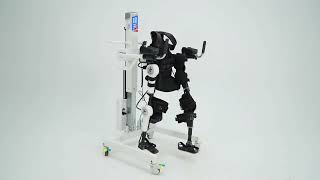
RobotUGO Exoskeleton
The UGO Exoskeleton is a lower-limb rehabilitation exoskeleton developed by Hangzhou RoboCT (also known as Chengtian), a Chinese medical robotics company. It is designed to assist individuals with lower-limb motor dysfunction—such as those recovering from stroke, spinal cord injury, or neurological conditions—by guiding them through standardised, motorised gait training cycles grounded in neuroplasticity principles. The system features powered hip and knee joints along with dense sensor coverage intended to monitor and adapt to the user's movement in real time. The UGO Exoskeleton is positioned within the clinical and rehabilitation-centre market, where it competes with a growing field of wearable robotic gait-training devices from both domestic Chinese manufacturers and international players.
165 views
Intel RealSense D455 Depth Camera
The Intel RealSense D455 is a stereo depth camera equipped with an inertial measurement unit (IMU) and a 87-degree field of view. It features a 6-meter operational range and USB 3.1 Gen 1 connectivity, designed for indoor applications including SLAM, obstacle avoidance, and robotic manipulation tasks.
162 views
John Deere See & Spray Robot
The John Deere See & Spray Robot is an autonomous precision-agriculture system developed by John Deere that uses computer vision and artificial intelligence to detect individual weeds within crop rows and apply herbicide only to those plants. By targeting weeds rather than broadcasting chemicals across entire fields, the system is designed to significantly reduce herbicide usage and associated costs while limiting environmental runoff. First introduced as a concept system and later commercialized under the See & Spray Ultimate branding (reportedly beginning broader commercial availability around 2023), the technology integrates high-resolution cameras and deep-learning models mounted on a sprayer bar. It is aimed at large-scale row-crop farmers—particularly those growing corn, soybeans, and cotton—who seek to lower input costs and adopt more sustainable agronomic practices.
150 views
Massive autonomous robot is 3 to 5 times faster than a human construction crew
Built Robotics is a San Francisco-based construction technology company that develops autonomous robotic systems designed to operate heavy construction equipment without human operators on-site. Their flagship autonomous construction robot — widely described in public reporting as capable of working 3 to 5 times faster than a traditional human crew — applies artificial intelligence, GPS guidance, and sensor fusion to execute earthmoving and excavation tasks on large-scale job sites. The robot is built around retrofitted heavy construction machinery, transforming conventional equipment into fully autonomous units capable of continuous, round-the-clock operation. It targets infrastructure, solar farm installation, and utility construction markets where repetitive, large-footprint earthwork tasks are common. By reducing dependence on skilled equipment operators and compressing project timelines, Built Robotics positions this system as a productivity and safety solution for an industry facing persistent labor shortages.
147 views
Tennant T7AMR (powered by BrainOS)
The Tennant T7AMR is a mid-size autonomous robotic floor scrubber featuring a 26-inch cleaning path, designed for mid-to-large commercial environments such as retail stores, educational campuses, warehouses, and logistics facilities. It is manufactured through a partnership between Tennant Company, a long-established commercial cleaning equipment maker, and Brain Corp, whose BrainOS Clean Suite provides the autonomous navigation and fleet-management software backbone. The T7AMR is intended to operate alongside human workers, autonomously following pre-mapped routes to scrub hard floors without continuous operator supervision. By combining Tennant's hardware expertise with Brain Corp's AI-driven autonomy platform, the robot targets facilities seeking to reduce labor costs and maintain consistent cleaning standards at scale.
146 views
 Robot
RobotFigure 02
Figure 02 is the second-generation general-purpose humanoid robot developed by Figure, a US-based robotics startup. Designed for warehouse and manufacturing environments, it features an onboard vision-language-action (VLA) model, a six-camera perception system, and custom-designed hands equipped with tactile fingertips, enabling it to perform dexterous manipulation tasks alongside human workers. Figure 02 represents a significant advancement over its predecessor, Figure 01, with improvements reportedly spanning AI integration, hardware refinement, and operational endurance. As of public reporting, the robot is being deployed in paid pilot programs with automotive manufacturer BMW and potentially other industrial partners, positioning Figure among a small group of companies actively commercializing humanoid robots at scale.
139 views
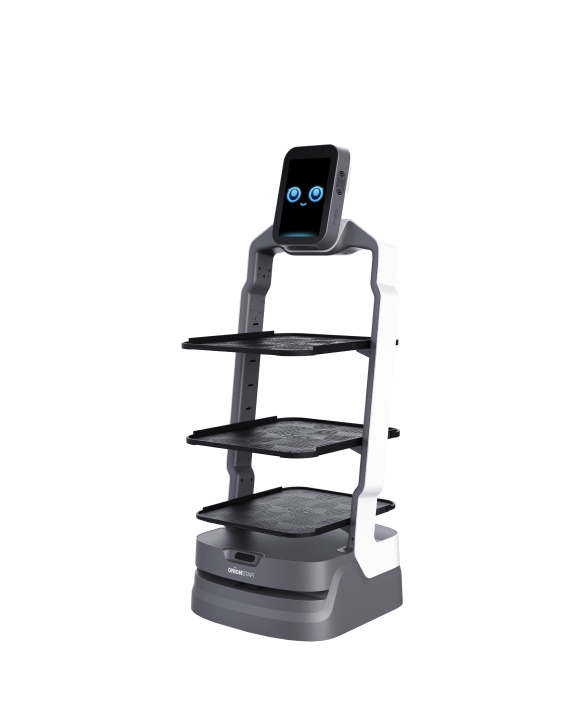 Robot
RobotLuckiBot
LuckiBot is an AI-powered food-delivery robot developed by OrionStar Robotics, designed primarily for restaurant and hospitality environments. It autonomously navigates dining areas to deliver meals from kitchen to table, reducing the workload on human staff while maintaining a friendly, interactive presence for guests. The robot features 3D depth detection, a dual-SLAM navigation system capable of operating in low-light conditions, and a six-microphone 360-degree voice array that enables natural voice interaction with customers. OrionStar, a Chinese AI and robotics company, positions LuckiBot as a practical automation solution for the food-service industry, where labor costs and service consistency are ongoing challenges.
139 views
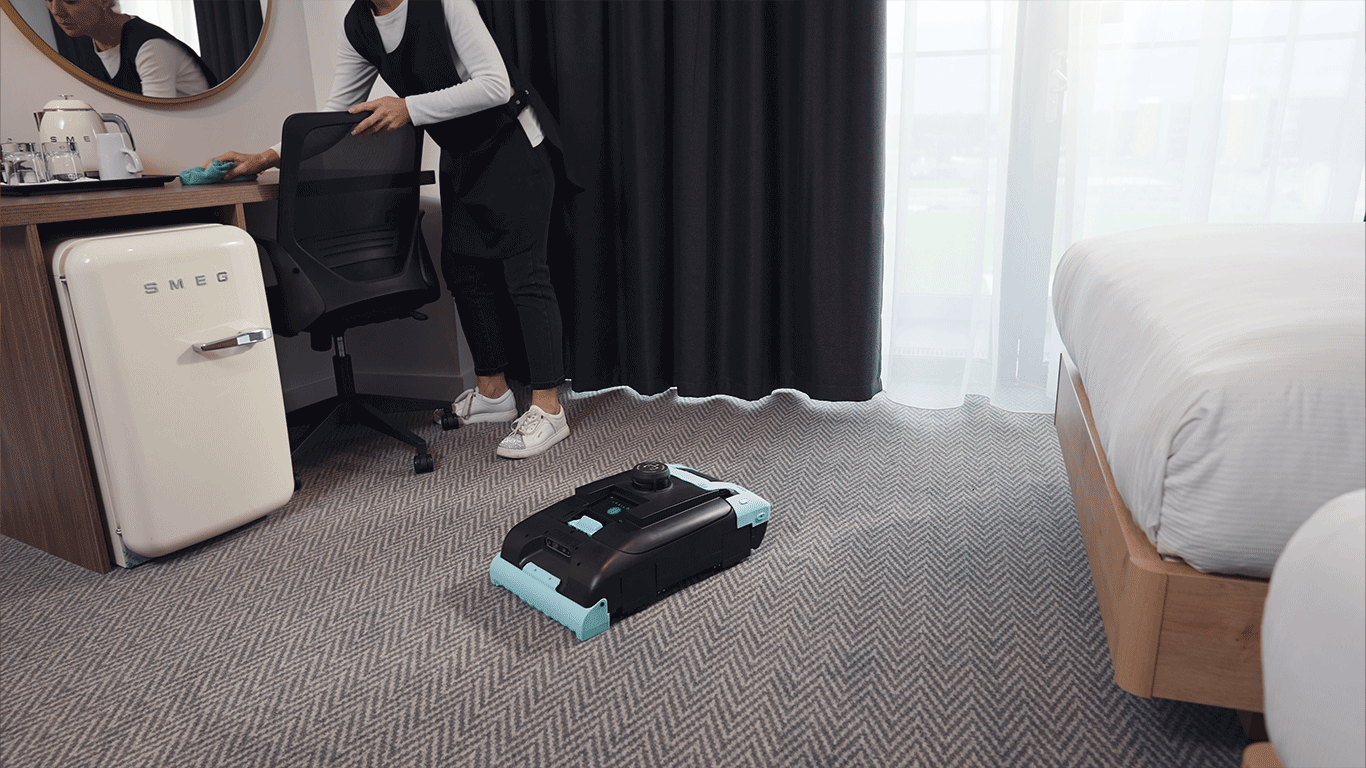 Robot
RobotRosie
Rosie is an AI-powered commercial robot vacuum developed by Tailos (formerly known as Maidbot), designed to autonomously clean large floor areas in hospitality, multi-family residential, senior living, and professional cleaning service environments. It combines a 3D depth camera with LiDAR-based SLAM navigation, allowing it to operate without requiring pre-mapping of a space before deployment. Positioned as a labor-augmentation tool rather than a full replacement for human housekeeping staff, Rosie is intended to handle repetitive vacuuming tasks so that human workers can focus on higher-value cleaning duties. The platform has been deployed in hotel corridors, lobbies, and common areas, and has attracted attention as an early entrant in the commercial hospitality robotics segment.
136 views
 Robot
RobotMatradee
The Matradee is an AI-driven hospitality robot developed by Richtech Robotics, designed to assist in restaurant and food-service environments. It is built to perform a range of front-of-house tasks including food delivery, table bussing, hosting, advertising, and guest entertainment, navigating narrow and busy dining spaces through a combination of LiDAR and 3D camera technology. Richtech Robotics positions the Matradee as a labor-augmentation solution for the restaurant industry, helping operators address staffing challenges while improving service consistency. The robot has been deployed in various dining establishments across the United States and is one of the more widely recognized serving robots in the North American hospitality robotics market.
120 views
Cobalt Robotics
Cobalt Robotics is an American robotics company headquartered in San Francisco, California, that specializes in autonomous indoor security robots designed to work alongside human security teams. The company develops robots intended to patrol commercial and enterprise environments, combining sensor-based autonomy with remote human oversight to deliver scalable physical security solutions. Cobalt Robotics is best known for its CR-1 security robot, which is deployed in office buildings, warehouses, and other large indoor facilities. By blending robotic hardware with a hybrid human-robot operations model, the company positions itself as a provider of intelligent, always-on security monitoring for enterprise customers across the United States.
114 views
Introducing Figure 03
Figure 03 is a next-generation humanoid robot developed by Figure, a US-based robotics company focused on deploying general-purpose humanoid robots in industrial and commercial environments. Building on the foundation of its predecessors, Figure 01 and Figure 02, the Figure 03 reportedly features improved dexterity, enhanced mobility, and more capable onboard AI systems designed to handle complex real-world manipulation tasks with greater autonomy. The robot is designed primarily for industrial use cases such as warehouse logistics, manufacturing assembly, and other labor-intensive environments where human-form factors offer practical advantages. Figure 03 represents the company's ongoing effort to develop embodied AI platforms that can be trained and deployed at scale, leveraging advances in neural network architectures and physical hardware design.
113 views
DYNAMIXEL XM430-W350-R
The DYNAMIXEL XM430-W350-R is a smart serial-bus servo actuator manufactured by ROBOTIS featuring an integrated controller, multi-mode operation, and integrated sensing. It is widely deployed in research robots, manipulators, and educational robotics platforms.
93 views
Shilin Wang
Shilin Wang is a robotics-related entity whose details — including founding history, headquarters location, and product portfolio — are not currently on public record in available databases. As of the time of writing, no verified information about the company's structure, ownership, or operational scope has been confirmed through public reporting. Due to the absence of reliable sourcing, this page serves as a placeholder entry. Readers with knowledge of this manufacturer are encouraged to contribute verified information. Max-Robotics will update this entry as credible details become available.
93 views
Roborock S8 MaxV Ultra
The Roborock S8 MaxV Ultra is a flagship robot vacuum and mop manufactured by Roborock. It combines a 10,000Pa suction system with sonic mopping technology and an integrated docking station that provides hot water washing and drying functions.
74 views
ATI Mini45 Force/Torque Sensor
The ATI Mini45 Force/Torque Sensor is a 6-axis force and torque measurement device designed for collaborative robotic arms, with a 290 N measurement range and 0.1 N resolution. It features standard EtherCAT and CAN interfaces and is housed in a robot-grade enclosure.
71 views
Figure 03
Figure 03 is a third-generation general-purpose humanoid robot developed by Figure AI for deployment in home and commercial environments. It features reduced mass compared to its predecessor, enhanced vision systems, embedded tactile sensing, and wireless inductive charging.
70 views
Amazon Scout
Amazon Scout is a six-wheeled autonomous delivery robot approximately the size of a cooler, designed to deliver parcels to customers' doorsteps at sidewalk speeds. The robot was piloted by Amazon between 2019 and 2022 across multiple U.S. locations including Seattle, Southern California, Atlanta, and Franklin, Tennessee.
69 views
Cobalt Robot
The Cobalt Robot is an autonomous indoor security patrol robot manufactured by Cobalt AI that performs self-directed surveillance missions and feeds sensor data to the Cobalt Monitoring Intelligence platform for AI-driven event analysis and remote response coordination.
68 views
 Robot
RobotRozum Cafe
The Rozum Cafe is a self-contained robotic coffee point developed by Rozum Robotics, built around the company's proprietary PULSE collaborative robot arm and a professional Nuova Simonelli espresso machine of Italian manufacture. The system is designed to operate as a fully autonomous barista station, capable of brewing reportedly 300 to 400 or more specialty coffee cups within a 24-hour period without requiring a human operator for each drink. Targeted at hospitality venues, corporate offices, airports, and high-traffic retail environments, the Rozum Cafe combines precision robotic motion with commercial-grade coffee equipment to deliver consistent espresso-based beverages. It represents Rozum Robotics' application of its industrial-heritage PULSE arm technology to the consumer-facing service sector.
67 views
PARO Therapeutic Robot
PARO is an interactive therapeutic robot designed in the form of a baby harp seal that responds to touch, light, sound, temperature, and posture. Developed by AIST Japan and distributed by PARO Robots US, it is deployed in dementia care, elder-care, and pediatric settings worldwide and is classified as a Class II medical device by the U.S. FDA.
67 views
 Robot
RobotServi
Servi is an AI-driven hospitality service robot developed by Bear Robotics, a U.S.-based robotics company headquartered in Redwood City, California. Designed to assist restaurant and hospitality staff, Servi autonomously navigates dining floors to handle food running and table bussing, freeing human workers for higher-value guest interactions. The robot uses LiDAR-based autonomous navigation to move safely through dynamic, crowded environments and features Bear Robotics' patented Stabilizing Trays, which are engineered to disperse momentum and reduce the risk of spills during delivery. Servi has been deployed across a range of restaurant chains and hospitality venues, primarily in the United States and select international markets.
66 views
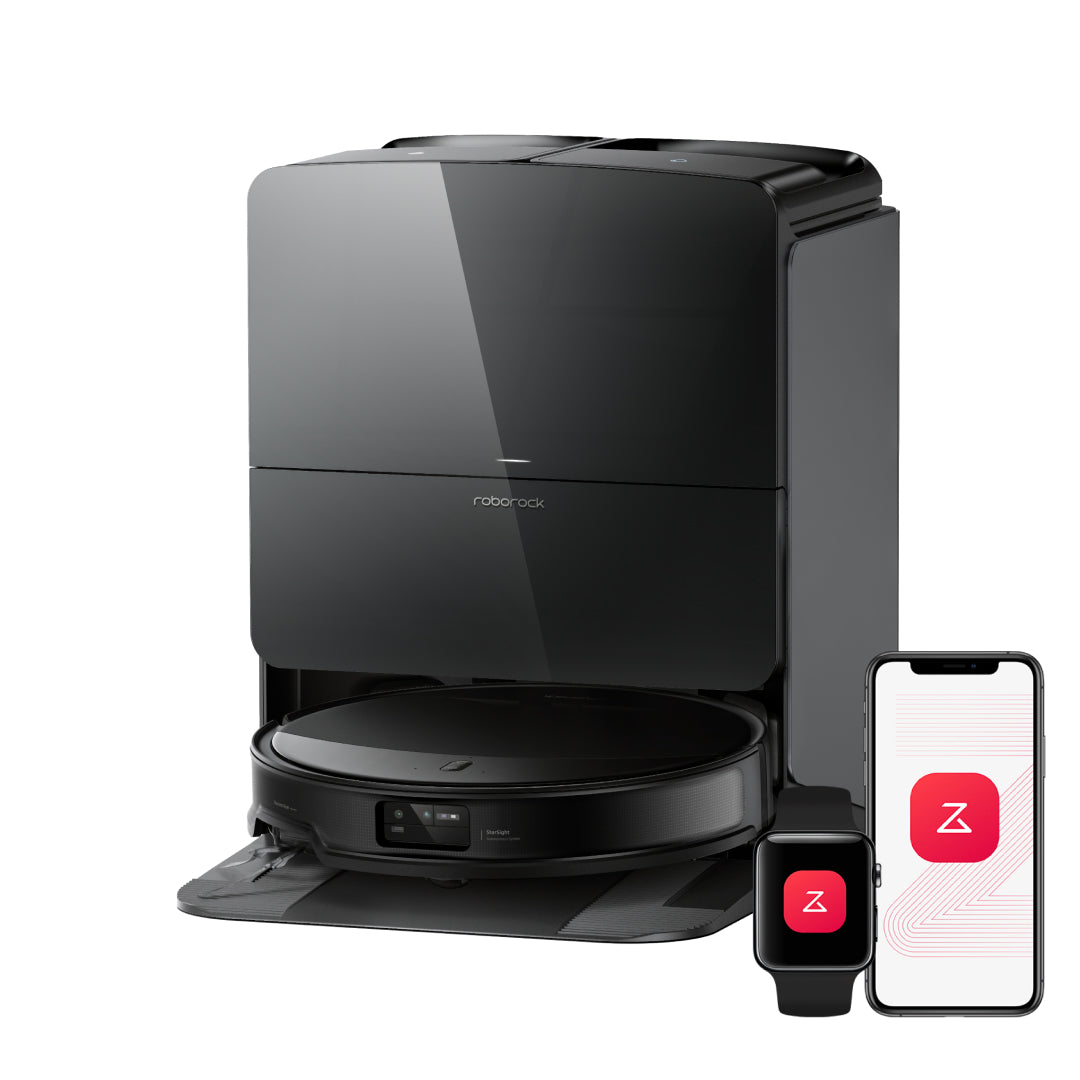 Robot
RobotRoborock S8 Pro Ultra
The Roborock S8 Pro Ultra is a high-end consumer robot vacuum and mop produced by Roborock, a Chinese robotics company headquartered in Beijing. It combines 6000Pa HyperForce suction with a DuoRoller Riser brush system and VibraRise 2.0 sonic mopping technology, which automatically lifts the mop pad when the robot transitions from hard floors to carpets. The S8 Pro Ultra pairs with the RockDock Ultra, an all-in-one base station that automatically empties the dustbin, washes and dries the mop pads, and refills the robot's clean water tank — enabling extended autonomous operation with minimal user intervention. It is positioned as a flagship model in Roborock's S8 lineup, targeting consumers who want a comprehensive, largely hands-free floor-cleaning solution.
64 views
The K5 robot: Guide to futuristic security solutions - Standard Bots
The Knightscope K5 is an autonomous ground-based security robot designed to patrol indoor and outdoor environments around the clock. Built by Knightscope, a U.S.-based public safety technology company, the K5 combines a suite of sensors, cameras, and AI-powered analytics to deliver continuous surveillance, anomaly detection, and real-time data reporting without requiring constant human oversight. The K5 is primarily deployed at commercial properties, corporate campuses, shopping centers, hospitals, and parking facilities, where it supplements or partially replaces traditional security guard patrols. Its distinctive tall, egg-shaped form factor houses 360-degree cameras, thermal imaging, license plate recognition, and environmental sensors, making it one of the most recognizable autonomous security robots in public deployment as of current reporting.
62 views
FarmBot | Open-Source CNC Farming
FarmBot is an open-source CNC farming system designed for home gardeners and small-scale farmers that automates plant care and crop management tasks. It uses precision robotics to perform watering, weeding, and soil testing with millimeter accuracy. The system combines hardware, software, and community-driven development to enable automated, sustainable agriculture compatible with various plants and garden layouts.
61 views
Locus Origin
The Locus Origin is a collaborative autonomous mobile robot (AMR) manufactured by Locus Robotics for high-volume order fulfillment in warehouse environments. It operates alongside warehouse associates to enable goods-to-person picking workflows controlled by the LocusONE platform.
60 views
 Robot
RobotT10
The Keenon Robotics T10 is a premium food-running robot designed for mid-to-high-end full-service restaurants. It features four detachable trays, SLAM-based autonomous navigation, voice prompts, and a 10-inch interactive display styled as an expressive face, enabling it to offload runner labor in demanding dining environments. Manufactured by Keenon Robotics, one of China's leading service-robot companies, the T10 sits at the upper end of the brand's DINERBOT-series lineup. Its detachable tray design and interactive interface distinguish it from entry-level delivery robots, targeting operators who prioritize guest experience alongside operational efficiency.
59 views
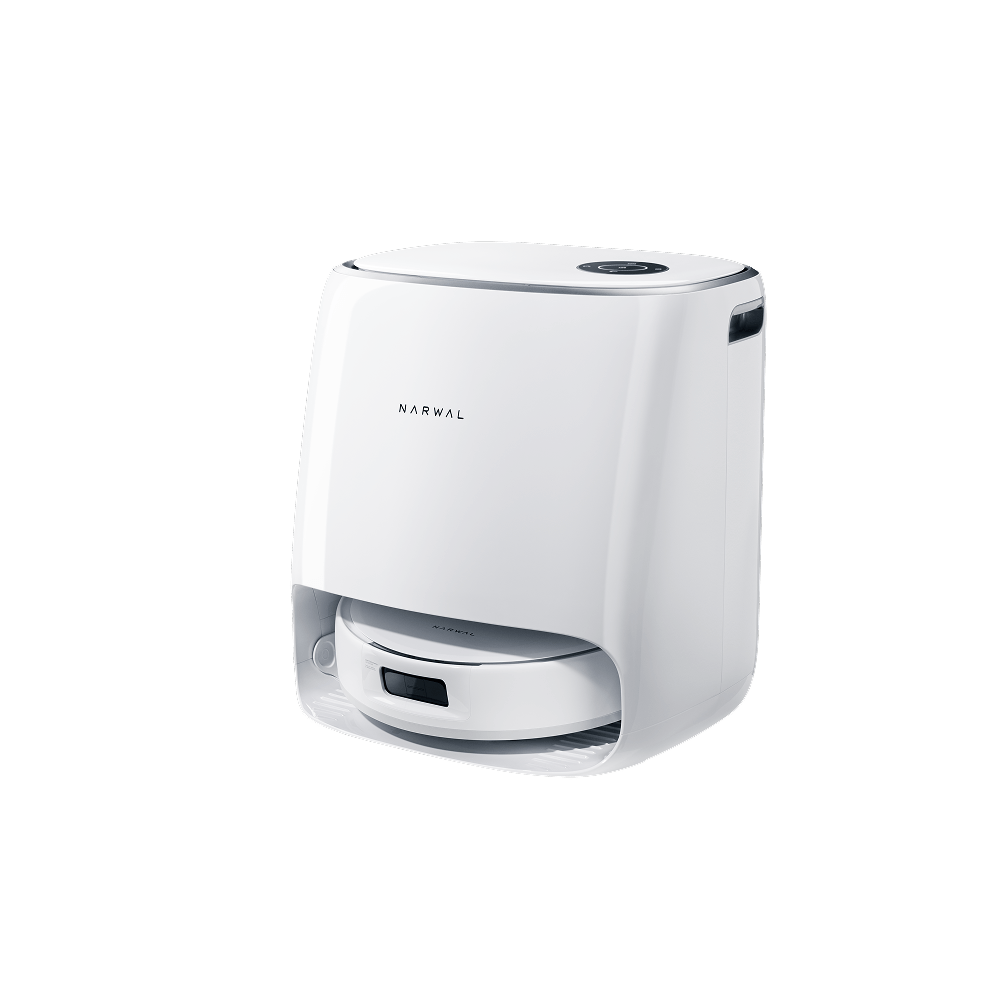 Robot
RobotNarwal Freo X Ultra
The Narwal Freo X Ultra is a consumer robot vacuum and mop developed by Narwal, a Chinese robotics company focused on home cleaning automation. It combines high-suction vacuuming with simultaneous mopping, targeting households that want a comprehensive, largely hands-off floor-cleaning solution. Among its headline specifications, the Freo X Ultra is reported to deliver up to 8,200 Pa of suction power, operate at a low-noise level of approximately 50 dB, and feature a proprietary Smart EdgeSwing mop maneuver for improved edge and corner cleaning. It also incorporates tri-laser obstacle avoidance and an anti-tangle floating brush designed to handle long hair and debris without manual intervention.
57 views
Farm-ng Amiga - Modular Field Robot
The Farm-ng Amiga is a modular field robot designed for autonomous agricultural operations on small to mid-size farms. Built on an open-source platform, it enables automation of tasks including weeding, spraying, and crop monitoring through customizable tool attachments and advanced autonomy capabilities.
57 views
 Robot
RobotK5 Autonomous Security Robot
The K5 Autonomous Security Robot is an outdoor-rated, fully autonomous patrol robot developed by Knightscope, a Silicon Valley-based public safety technology company. Designed for continuous 24/7 operation, the K5 navigates parking lots, corporate campuses, and other open environments while collecting real-time security data including 360-degree video, license plate information, and environmental sensor readings. The K5 is among Knightscope's most recognized products and is distinguished by its tall, egg-shaped form factor and suite of onboard sensors including four high-resolution cameras, automatic license plate recognition (ALPR), and two-way audio communication. The robot is capable of self-docking to recharge, enabling near-continuous autonomous deployment without human intervention.
57 views
Starship Robot
The Starship Robot is a compact, six-wheeled autonomous delivery robot developed by Starship Technologies, designed to handle last-mile logistics and food delivery on sidewalks and pedestrian pathways. It navigates urban environments using a combination of cameras, ultrasonic sensors, and GPS, and is capable of carrying payloads reportedly up to approximately 10 kg (with some sources citing higher figures for newer variants) over distances of roughly 3–5 km per trip. Deployed commercially across university campuses, corporate parks, and residential neighborhoods in multiple countries, the Starship Robot has become one of the most widely recognized sidewalk delivery robots in the world. Starship Technologies has logged millions of autonomous deliveries as of public reporting, positioning the platform as a proven solution for on-demand, short-range parcel and meal delivery.
55 views
Vector 2.0
Vector 2.0 is a compact AI-enabled desktop companion robot manufactured by Digital Dream Labs, featuring ChatGPT cloud integration, voice activation, and smart home connectivity. Originally developed by Anki, the product was revived by Digital Dream Labs with enhanced capabilities and extended battery life.
54 views
Miko 3
Miko 3 is an AI-powered companion robot designed for children ages 5-10, manufactured by Miko. It features face and voice recognition capabilities, conversational abilities, and access to over 1,000 STEAM games and educational activities across 8 languages.
53 views
 Robot
RobotPUDU CC1
The PUDU CC1 is an intelligent commercial cleaning robot developed by Pudu Robotics, a Shenzhen-based company known for service robotics. It integrates four cleaning functions — sweeping, scrubbing, vacuuming, and dust mopping — into a single autonomous unit designed for large indoor commercial environments, including multi-floor buildings. A key feature of the CC1 is its dedicated docking station, which supports automatic charging, water supply and drainage, and automatic detergent replenishment, enabling extended unattended operation. The robot is positioned as a labor-saving solution for facilities such as shopping malls, office buildings, hotels, and airports.
53 views
NOVA Commercial Robotic Pool Cleaner
The NOVA Commercial Robotic Pool Cleaner is a professional-grade automated pool maintenance robot designed to clean the floors, walls, and waterlines of large commercial swimming pools. It uses intelligent navigation technology and powerful suction to remove debris, algae, and contaminants, reducing the need for manual labor in hotel, resort, and aquatic facility settings. Manufactured under the NOVA brand, the robot targets commercial operators who require consistent, cost-effective pool hygiene at scale. While detailed technical specifications have not been widely published, the cleaner is positioned as a high-performance solution for demanding aquatic environments where downtime and water quality are critical concerns.
53 views
360 Vis Nav
The 360 Vis Nav is a tall-bodied robot vacuum manufactured by Dyson that uses 360-degree fish-eye camera navigation to map and clean floor spaces. It features enhanced suction power and an edge-actuator side ducting system designed to capture debris along walls and in corners.
52 views
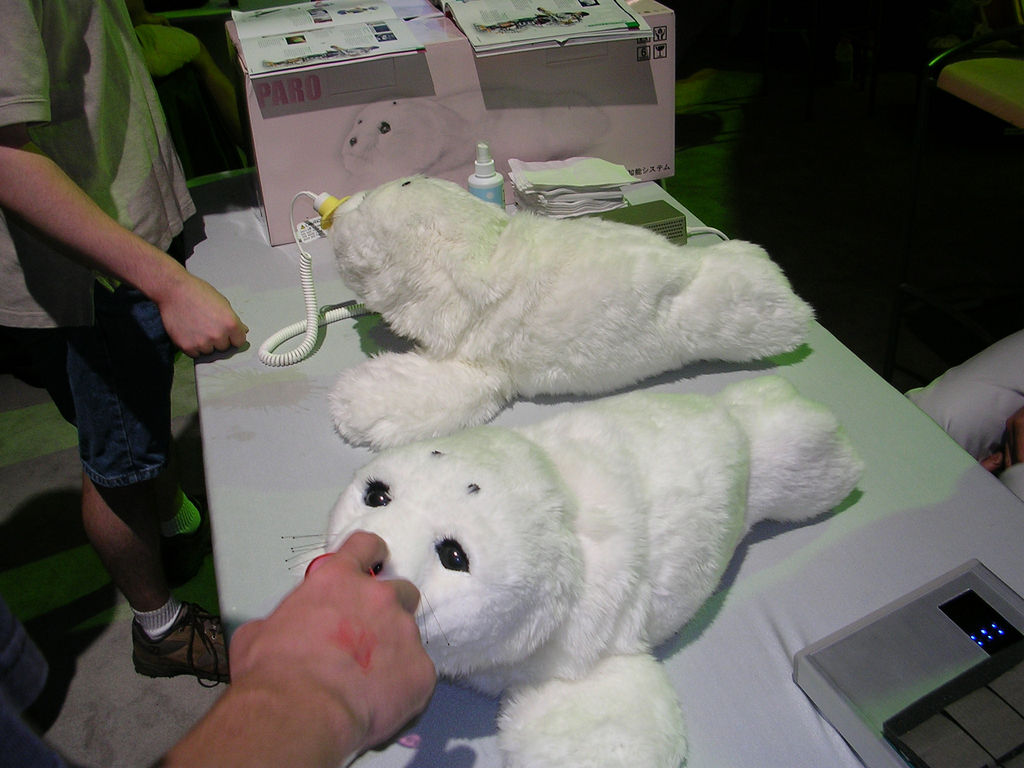 Robot
RobotPARO
PARO is a therapeutic companion robot developed by Japan's National Institute of Advanced Industrial Science and Technology (AIST) and commercialized under the PARO Robots brand. Designed to resemble a baby harp seal, it is used primarily in dementia and elder care settings to reduce patient stress, anxiety, and loneliness, and has been associated in clinical studies with reduced reliance on antipsychotic medication. The robot incorporates five types of tactile sensors, light sensors, auditory sensors capable of voice recognition, and a posture sensor, allowing it to respond to touch, sound, and its environment. PARO's behavior adapts over time based on interaction history, enabling it to learn the preferences of individual users. It has received regulatory clearance as a medical device in several countries and is reportedly one of the most clinically studied social robots in the world.
52 views
Spot Arm
The Spot Arm is a 6-degree-of-freedom manipulator attachment for Boston Dynamics' Spot quadruped robot that enables grasping, lifting, and manipulation of objects and interaction with environmental controls. It features approximately 1 meter reach, integrated sensing, and support for both teleoperated and autonomous operation.
52 views
Parts & Electronics Components for Robots
Parts and electronics components form the foundational building blocks of virtually every robotic system. This category encompasses the discrete hardware elements—sensors, actuators, microcontrollers, motor drivers, power management modules, communication interfaces, and structural sub-assemblies—that engineers and integrators combine to design, build, and maintain robots across all application domains. Rather than being complete robots themselves, these components are the enabling technology that determines a robot's capabilities, precision, energy efficiency, and overall performance. The market for robotic parts and electronics is closely tied to the broader robotics industry's expansion, with demand accelerating as automation penetrates manufacturing, logistics, healthcare, agriculture, and consumer electronics. Advances in miniaturization, edge computing, and power-efficient semiconductors are continuously raising the performance ceiling for robotic components, while growing ecosystems of open-source hardware and modular platforms are making sophisticated electronics more accessible to developers and smaller companies worldwide.
51 views
Pudu CC1
The Pudu CC1 is a compact indoor delivery robot designed for autonomous transportation of food and items in restaurants, hotels, and commercial spaces. It features advanced obstacle avoidance, intelligent path planning, and extended battery life for sustained operation in high-traffic environments.
50 views
 Robot
RobotMabu
Mabu is a tabletop companion robot developed by Catalia Health, a U.S.-based digital health company. Designed for chronic-condition management, it conducts short, personalized daily check-in conversations with patients, drawing on individualized care plans to monitor symptoms, medication adherence, and overall well-being. The robot is intended to serve as a persistent, low-burden touchpoint between clinical visits, relaying structured adherence and symptom data back to care teams. Catalia Health has deployed Mabu in pilot programs with pharmaceutical companies and healthcare providers, positioning it at the intersection of conversational AI and remote patient monitoring.
49 views
 Robot
RobotKress EyePilot® 4×4 RTK
The Kress EyePilot® 4×4 RTK is a wire-free robotic lawn mower developed by Kress, designed for residential and semi-professional outdoor use. It employs RTK (Real-Time Kinematic) GPS positioning technology to navigate and mow autonomously without the need for perimeter boundary wires, delivering precise and repeatable cutting patterns. Equipped with a four-wheel-drive system, the EyePilot® 4×4 RTK is engineered to handle varied and challenging terrain, including slopes and uneven ground. The RTK satellite positioning system enables centimeter-level accuracy in route planning, distinguishing it from conventional robotic mowers that rely on magnetic boundary wires or basic GPS alone.
49 views
 Robot
RobotKebbi Air
Kebbi Air is a compact, expressive social robot developed by NUWA Robotics, a robotics company based in Taiwan. Designed to serve multiple roles across education, healthcare, and customer service, it combines facial recognition, voice interaction, and multi-joint articulated arms to deliver an engaging, human-like presence in real-world environments. The robot is particularly noted for its built-in STEAM coding environment, which makes it a popular tool in primary and higher education settings where students can learn programming through hands-on interaction. Its versatility across sectors — from assisted living facilities to retail service counters — positions Kebbi Air as a mid-range, multi-purpose AI service robot aimed at institutional buyers.
48 views
Quicktron M100
The Quicktron M100 is a heavy-duty autonomous mobile robot manufactured by Quicktron Robotics, designed for material handling in warehouses and distribution centers. Part of the M-Series, it uses a lift mechanism to transport shelves and pallets with a payload capacity of up to 1000 kg.
47 views
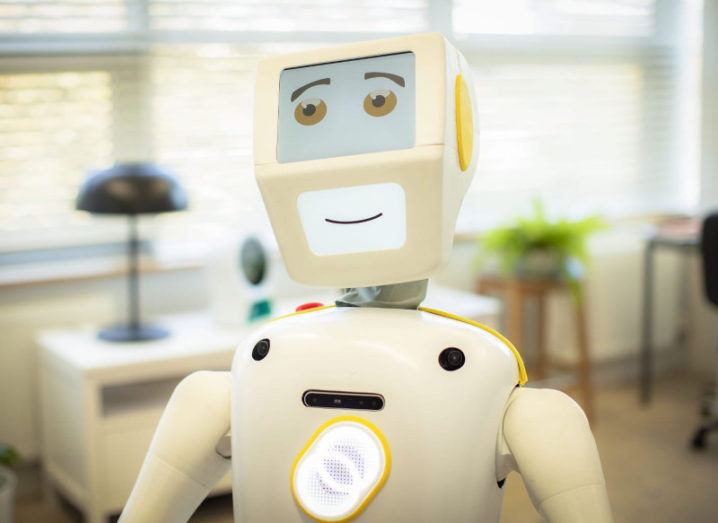 Robot
RobotStevie
Stevie is a socially assistive humanoid robot developed by Akara Robotics, an Irish robotics company with research ties to Trinity College Dublin's Robotics & Innovation Lab. Designed specifically for older adults living in residential care settings, Stevie is intended to support both residents and care staff by leading group activities such as bingo, music sessions, and light exercise, while also providing conversational companionship and fall-detection capabilities. As of public reporting, Stevie is offered on a pre-order basis, positioning it as an emerging product rather than a widely deployed commercial platform. Akara Robotics has framed the robot as a tool to augment—rather than replace—human caregivers, addressing growing demand for scalable social and wellness support in aged-care facilities across Ireland and potentially beyond.
47 views
NVIDIA Jetson Orin NX
The NVIDIA Jetson Orin NX is an SO-DIMM form-factor edge AI compute module designed for robotics and autonomous machines, combining an Ampere GPU with an 8-core Arm CPU for on-device inference. Available in 8 GB and 16 GB Super variants, it delivers up to 157 TOPS of AI performance within a configurable 10-40 W power envelope.
47 views
Jetson Orin Nano Dev Kit
The Jetson Orin Nano Dev Kit is an edge AI computing module manufactured by NVIDIA that delivers 40 TOPS of AI performance in a compact 70×45 mm form factor. It is designed for robotics applications including vision processing, navigation, and on-board inference on mobile platforms.
44 views
 Robot
RobotServe Robotics Gen3 Delivery Robot
The Serve Robotics Gen3 is the third-generation autonomous sidewalk delivery robot developed by Serve Robotics, a San Francisco-based company that spun out of Uber Eats. Designed for last-mile food and package delivery on public sidewalks, the Gen3 operates fully electrically and uses onboard sensors and AI to navigate pedestrian environments without a human operator. Compared to its predecessors, the Gen3 reportedly features an expanded cargo bin capable of holding up to four 16-inch pizzas, approximately doubled speed and operating range, and a runtime exceeding 12 hours per charge. These improvements position it as a more commercially scalable platform for restaurant and retail delivery partners.
44 views
Universal Robots UR5e
The Universal Robots UR5e is a 6-axis collaborative robot arm from the e-Series line, designed for light-duty assembly, pick-and-place, machine tending, and laboratory automation tasks. It features a 5 kg payload capacity, 850 mm reach, and integrated force/torque sensing at the wrist.
43 views
BellaBot
BellaBot is a cat-themed delivery robot manufactured by Pudu Robotics designed for multi-table food and item delivery in restaurants and hospitality venues. The robot features a four-tray rack system, automated charging capability, and an emotive facial display that facilitates voice-prompted handoff of items to customers.
42 views
Underwater ROVs, Robots, & Drones | Deep Trekker
Deep Trekker underwater ROVs are remotely operated vehicles designed for subsea exploration, inspection, and research in challenging underwater environments. These compact, durable drones offer high-definition video capture and advanced maneuverability for marine surveying, infrastructure inspection, scientific research, and commercial applications.
40 views
GreyOrange Ranger GTP
The GreyOrange Ranger GTP is a goods-to-person autonomous mobile robot (AMR) manufactured by GreyOrange for warehouse automation tasks including putaway, inventory storage, replenishment, and order picking. It operates as part of the Ranger series and is orchestrated by the GreyMatter fulfillment operating system.
40 views
Unitree Z1 Robotic Arm
The Unitree Z1 is a 6-degree-of-freedom lightweight collaborative robotic arm designed for educational and research applications. It features direct-drive joints, a 2 kg payload capacity, and 740 mm reach, with native ROS2 integration for software development.
38 views
Elios 3 UT Payload
The Elios 3 UT Payload is a drone-mounted ultrasonic thickness measurement accessory developed by Flyability in partnership with Cygnus Instruments, launched in March 2024. It enables remote steel thickness measurements in confined spaces such as ship hulls and storage tanks without human entry, integrating a UT probe, visual inspection camera, and LiDAR sensor on the Elios 3 drone platform.
37 views
G1
The G1 is a 35 kg, 1.32 m tall humanoid robot manufactured by Unitree Robotics featuring 23 degrees of freedom. It is designed as a general-purpose platform capable of walking, running, and falling recovery, with SDK access for research and commercial automation applications.
35 views
Coco 2
Coco 2 is a fully autonomous sidewalk and bike-lane delivery robot manufactured by Coco Robotics for urban last-mile logistics. It operates across multiple food delivery platforms and is designed for complex city environments with a top speed of 21 km/h and 32 km operating range.
35 views
X-Series Smart Actuator (X5)
The X-Series Smart Actuator (X5) is a series-elastic smart actuator manufactured by HEBI Robotics designed as a modular joint component for custom robotic systems. It integrates control electronics and multi-axis sensing to enable position, velocity, and torque control across various robotic platforms.
34 views
Ottobot
Ottobot is an autonomous delivery robot manufactured by Ottonomy designed for indoor and outdoor logistics operations. It features Level 4 autonomy and is deployed across healthcare, industrial campuses, and last-mile parcel delivery environments to transport medical supplies, lab samples, medications, and packages.
33 views
Neo 2
The Neo 2 is a fully autonomous commercial floor scrubbing robot manufactured by Avidbots, a Canadian robotics company. It uses 360° LiDAR and 3D sensing combined with Avidbots Autonomy AI to perform independent cleaning operations while reporting data to a centralized Command Center.
33 views
NAO 6
NAO 6 is a 58 cm autonomous humanoid robot manufactured by Aldebaran (United Robotics Group) and designed for education, research, and healthcare applications. The robot features 25 degrees of freedom, multilingual interaction capabilities, and is programmed using Choregraphe and the NAOqi SDK.
33 views
Walker S
Walker S is an industrial humanoid robot manufactured by UBTECH Robotics, designed for multi-task factory and assembly line operations. Standing approximately 1.7 meters tall with 41 force-feedback servo joints, it integrates multimodal large language model-driven perception, hand-eye coordination, and bipedal mobility for autonomous task execution.
33 views
Atlas Replacement Leg Module
The Atlas Replacement Leg Module is an original equipment manufacturer (OEM) replacement leg assembly for Boston Dynamics' Atlas humanoid robot. It features hydraulic actuation and is designed for drop-in installation using standard service tools.
33 views
ReWalk 7 Personal Exoskeleton
The ReWalk 7 Personal Exoskeleton is a wearable robotic system manufactured by Lifeward that enables individuals with spinal cord injury to stand and walk in home and community environments. It features bilateral powered hip and knee motors, crutch-based control, and stair and curb navigation capability.
32 views
Underwater Inspection Solutions - Blue Atlas Robotics
Underwater Inspection Solutions by Blue Atlas Robotics comprises autonomous and remotely operated vehicles designed for subsea infrastructure monitoring. The systems provide high-resolution imaging and real-time data collection for inspection of pipelines, offshore platforms, cables, and marine structures across oil and gas, renewable energy, and maritime sectors.
32 views
Locus Origin - Heavy Duty
The Locus Origin - Heavy Duty is an autonomous mobile robot (AMR) manufactured by Locus Robotics for warehouse fulfillment operations. It operates on a Robotics-as-a-Service model and collaborates with human workers by autonomously transporting items to picking locations while associates perform manual selection tasks.
31 views
Agrobot: Farming Robots & Harvesters
Agrobot: Farming Robots & Harvesters are autonomous robotic systems designed for crop harvesting and agricultural production. The product line focuses on automated harvesting solutions intended to reduce labor requirements and increase operational efficiency in farming.
31 views
Da Vinci Robotic Surgical Systems | Intuitive
The Da Vinci Robotic Surgical System is a minimally invasive surgical platform manufactured by Intuitive Surgical that combines robotic precision with surgeon controls for procedures across multiple specialties. The system features 3D high-definition visualization, intuitive hand and wrist controls, and tremor filtration technology to enable smaller incisions and faster patient recovery.
31 views
Figure 02
Figure 02 is a general-purpose humanoid robot developed by Figure AI, standing 168 cm tall and weighing 70 kg. Powered by the Helix Vision-Language-Action AI system, it has been commercially deployed at automotive manufacturing facilities and in logistics and household task demonstrations.
31 views
da Vinci Xi Surgical System
The da Vinci Xi Surgical System is a fourth-generation robotic surgical platform developed by Intuitive Surgical for minimally invasive procedures. It features 3DHD vision, wristed instruments with tremor filtration, and fluorescence imaging capabilities, with a boom-mounted design enabling access across multiple surgical quadrants.
31 views
Unitree Z1
The Unitree Z1 is a compact six-axis robotic arm manufactured by Unitree Robotics, designed for integration onto mobile robots and standalone research or automation applications. It features joint torque sensing, position and force control capabilities, and an open programming interface.
30 views
Construction | Boston Dynamics
Construction | Boston Dynamics refers to Boston Dynamics' robotic systems designed for automation of tasks in construction environments. The solutions utilize advanced robotics and AI to enhance safety, productivity, and efficiency on job sites through inspection, material handling, and hazardous area assessment.
30 views
Da Vinci Surgical System
The Da Vinci Surgical System is a robotic-assisted surgical platform manufactured by Intuitive that enables minimally invasive procedures across multiple surgical specialties. It features high-definition 3D imaging, ergonomic console design, and articulated instruments to enhance surgical precision and control.
29 views
Starship Delivery Robot
The Starship Delivery Robot is a six-wheeled autonomous delivery vehicle designed for last-mile transport of food and parcels. Manufactured by Starship Technologies, it operates on over 100 college campuses and suburban service areas with 99% autonomous navigation capability.
29 views
Unitree G1
The Unitree G1 is a commercially available humanoid robot standing approximately 1.3 meters tall and weighing 35 kg, manufactured by Unitree Robotics. Priced from $13,500 to $73,900 depending on configuration, it is positioned as a research and demonstration platform with 23 to 43 degrees of freedom. Over 5,500 units shipped in 2025, though independent sources characterize it primarily as a research tool with documented reliability concerns and limited autonomous capability for practical applications.
29 views
R3
The R3 is a third-generation autonomous delivery vehicle developed by Nuro, designed exclusively for cargo transport without driver or passenger compartments. The vehicle is undergoing commercial pilots with major retailers and food delivery partners including Kroger, Domino's, and 7-Eleven.
29 views
Misty II
Misty II is a programmable social robot platform designed for education, research, and developer use. It features face and object recognition, speech recognition, mobility via a tracked base, and remote API control through HTTP and WebSocket connections. The product is now developed by Furhat Robotics following its acquisition of Misty Robotics in 2022.
29 views
HRP-2
The HRP-2 is a humanoid bipedal research robot developed by Kawada Robotics in collaboration with AIST, originating from a Japanese government R&D project that began in 1998. Standing 154 cm tall and weighing 58 kg with 30 degrees of freedom, the robot is capable of bipedal locomotion and self-recovery from prone positions, with operational battery life of approximately 60 minutes.
28 views
Amazon Astro
Amazon Astro is a household robot manufactured by Amazon for home monitoring and security. It features autonomous navigation, a retractable periscope camera, and integrated Alexa voice control for remote monitoring and smart-home management.
28 views
NAO V4
NAO V4 is a small humanoid robot standing 574 mm tall and weighing 5.48 kg, developed by Aldebaran Robotics and later operated under SoftBank Robotics Europe. The platform has been deployed in over 70 countries with more than 20,000 units sold, primarily for education, research, and healthcare applications.
28 views
Conveyor Mobile Robot
The Conveyor Mobile Robot (CMR) is an autonomous mobile robot product line manufactured by Hikrobot for internal logistics in industrial environments. The WR1000DS model features a 1,000 kg payload capacity, LiDAR SLAM-based navigation with ±10 mm positioning accuracy, and integrated conveyor modules for autonomous load transfer.
28 views
Artly: The Barista Bot
Artly: The Barista Bot is a robotic barista system that uses a robot arm to prepare espresso-based beverages, including drinks with latte art, based on champion-barista recipes. Customers place orders through a mobile app and pick up drinks in-store, with options to customize milk type, ice level, and sweetness.
28 views
Dash
Dash is an award-winning educational robot manufactured by Wonder Workshop in the United States, designed for children to learn programming through voice and sound interactions. The robot supports progressive coding through Blockly and Wonder apps and can dance, sing, and respond to audio input.
28 views
Atlas
Atlas is an electric humanoid robot manufactured by Boston Dynamics, designed for industrial material handling in factory environments. The production version, unveiled at CES in January 2026, stands 1.9 meters tall with 56 degrees of freedom and can lift up to 50 kg instantaneously or 30 kg sustained.
28 views
AMR Wheel Set 8" Mecanum (4 pcs)
The AMR Wheel Set 8" Mecanum (4 pcs) is a set of four 8-inch mecanum wheels manufactured by Nexus Robot for omnidirectional mobile robots. Each wheel features an aluminum hub with polyurethane rollers and a load rating of 50 kg per wheel.
28 views
Elios 3
The Elios 3 is a collision-tolerant indoor inspection drone manufactured by Flyability and launched in 2022. Designed for confined-space and GPS-denied environments, it features an Ouster LiDAR sensor, real-time 3D mapping via FlyAware SLAM, and a modular dual-payload system. The drone operates primarily under pilot control with optional autonomous assistance features available through a Premium software subscription.
28 views
Unitree H1
The Unitree H1 is a full-size humanoid robot standing approximately 180 cm tall and weighing 47 kg, designed for research, development, and embodied AI applications. It is notable as the first electric humanoid robot capable of performing a standing backflip and can achieve running speeds of 3.3 m/s.
28 views
CRX-30iA
The FANUC CRX-30iA is a 6-axis collaborative robot with a 25–30 kg payload and 1756–1889 mm reach, designed for palletizing, material handling, machine tending, and welding in shared industrial workspaces. It features IP67 protection, 0.05 mm repeatability, and touchscreen programming, paired with the R-30iB mini controller.
28 views
ANYmal Research
ANYmal Research is a quadruped inspection robot developed by ANYbotics for autonomous industrial inspections in sectors including oil & gas, mining, power utilities, chemicals, and railways. The system operates in three modes—teleoperated, supervised, and autonomous—and is capable of navigating complex terrain while collecting thermal, visual, acoustic, and gas-detection data.
27 views
Robo-C
Robo-C is a humanoid social and service robot manufactured by Promobot, featuring a customizable human-like appearance with extensive facial expression capabilities and articulated arms. The product line has been officially discontinued by the manufacturer, with no new applications being accepted.
27 views
Unitree Go2
The Unitree Go2 is a consumer and educational quadruped robot dog manufactured by Unitree Robotics, designed with 4D LiDAR perception, advanced mobility gaits, and integrated large language model capabilities. It is available in Air, Pro, X, and EDU configurations.
27 views
Elios
The Elios 3 is a confined-space inspection drone manufactured by Flyability (Lausanne, Switzerland) designed for visual and non-destructive inspection in GPS-denied, inaccessible indoor environments. Equipped with onboard LiDAR, camera, IMU, and optional payloads such as ultrasound NDT and flammable gas sensors, the system operates under supervised-autonomous control with human pilot oversight.
27 views
NEO
NEO is a soft, tendon-driven humanoid robot designed for household tasks and companionship, manufactured by 1X Technologies of Norway. Standing 5'6" tall and weighing 66 pounds, it operates autonomously using Redwood AI or via remote control through Expert Mode for complex assignments.
27 views
TUG T3 / T3XL
The TUG T3 / T3XL is an autonomous mobile robot manufactured by Aethon (ST Engineering) designed to transport supplies in hospitals, hotels, and large facilities. The T3 model carries up to 750 lb while the T3XL variant carries up to 1,000 lb, featuring omnidirectional 4-wheel drive and integrated building system controls.
27 views
CR5 Legacy
The CR5 Legacy is a 6-axis collaborative robotic arm manufactured by Dobot, designed for industrial and educational applications with a 5 kg payload and 900 mm reach. The system is intended to be accessible to inexperienced operators through simplified programming and deployment interfaces.
27 views
ANYmal D Max
ANYmal D Max is a quadruped inspection robot developed by ANYbotics AG for autonomous industrial inspection in heavy industries including oil & gas, mining, chemicals, and power. The robot performs fully autonomous missions using LiDAR SLAM navigation and multiple sensor types, with over 200 units deployed globally.
27 views
Locus Vector XL
The Locus Vector XL is a high-payload autonomous mobile robot developed by Locus Robotics for warehouse fulfillment operations, capable of carrying up to 600 lbs and designed for tasks including shelf movement, material handling, and system integration. It operates as part of the Locus ecosystem under the LocusONE orchestration platform and is deployed across third-party logistics providers and global retailers.
27 views
Dreame X40 Ultra
The Dreame X40 Ultra is a robot vacuum and mop manufactured by Dreame Technology that combines vacuuming and wet mopping capabilities with a hands-free base station. It features 12,000Pa suction power, corner and edge cleaning technology, and automated mop washing and drying functions.
26 views
Geek+ P800
The Geek+ P800 is a goods-to-person autonomous mobile robot (AMR) designed for medium-to-large warehouse rack handling and picking operations. It features an integrated lifting mechanism to transport shelves and racks to picking stations, with a payload capacity of approximately 600 kg and speeds up to 2 m/s under load.
26 views
Versius Plus
Versius Plus is an advanced surgical robotic system manufactured by CMR Surgical for minimally invasive procedures. It features multiple articulated instruments, 3D visualization, and intuitive controls designed to enhance surgical precision and ergonomics.
26 views
Mavic 3 Thermal
The Mavic 3 Thermal is a compact, foldable enterprise drone manufactured by DJI, equipped with a triple-sensor payload including a 640×512 thermal camera, 48MP wide camera, and 12MP hybrid zoom camera. Priced at approximately $6,809 USD at launch, the model was discontinued in January 2025 and succeeded by the DJI Matrice 4 Series.
26 views
SSI Cuby
SSI Cuby is a single-level automated storage shuttle system manufactured by SSI Schaefer for high-density warehouse automation using a goods-to-person model. Each system comprises racks, lifts, one shuttle per storage level, and WAMAS control software, supporting containers and cartons up to 35 kg with double-deep storage capability.
26 views
Elios 3 - Thermal Payload
The Elios 3 - Thermal Payload is a collision-tolerant indoor inspection drone manufactured by Flyability, designed for confined space and hard-to-reach environment inspections. It combines a 4K camera with integrated thermal imaging, LiDAR-based SLAM mapping, and a modular payload bay. The system is piloted by a human operator via ground control station and is deployed across approximately 68 countries.
26 views
Figure 02
Figure 02 is a second-generation general-purpose humanoid robot manufactured by Figure, standing 168 cm tall and weighing approximately 70 kg. Designed for commercial deployment in industrial settings, it features 16-degree-of-freedom five-fingered hands, onboard NVIDIA RTX-class compute for autonomous AI operation, and a walking speed of 1.2 m/s with up to 5 hours of battery runtime.
25 views
C30
The Keenon C30 is a compact autonomous delivery robot designed for indoor service environments such as restaurants, hotels, and commercial spaces. It features autonomous navigation and safety capabilities to streamline food and item delivery tasks.
25 views
Figure 03 Alpha
The Figure 03 Alpha is a general-purpose humanoid robot unveiled by Figure AI in October 2025, designed for home environments and powered by the Helix AI system. Standing 170 cm tall and weighing 60 kg, the robot is capable of performing autonomous household tasks such as dishwasher loading and laundry folding, with deployments planned through a Robot-as-a-Service subscription model beginning in late 2025 and expanding in late 2026.
25 views
Cobot Lift
Cobot Lift is a vacuum tube lifter system manufactured by Cobot Lift ApS that integrates with Universal Robots collaborative arms to extend payload capacity for industrial material handling. The system increases the payload capacity of the UR10 from 10 kg to 45 kg and is deployed in food, automotive, and airport environments.
25 views
Atlas (Electric)
Atlas (Electric) is an all-electric humanoid robot manufactured by Boston Dynamics, positioned as an enterprise-grade industrial robot for material handling tasks. The system stands 1.9 meters tall, weighs 90 kilograms, and is currently deployed with select early-adopter customers.
25 views
Elios 3 RAD
The Elios 3 RAD is a collision-tolerant indoor inspection drone manufactured by Flyability and equipped with a radiation survey meter payload developed in partnership with Mirion Technologies. Designed for GPS-denied confined spaces including nuclear facilities, it enables real-time radiation measurement and localization without human entry. The system is piloted by a human operator with assisted autonomy features and has been deployed across approximately 1,000 customers in 68 countries.
25 views
BlueBoat
The BlueBoat is an uncrewed surface vessel (USV) manufactured by Blue Robotics Inc. featuring a foldable dual-hull catamaran design with a mass of approximately 14.5 kg and length of 1.5 m. It is designed for autonomous hydrographic survey, bathymetry, and seafloor mapping missions using GPS waypoint navigation and supports modular payload integration.
25 views
Construction Robotics: Skanska | HAL Robotics
Construction Robotics: Skanska | HAL Robotics is an autonomous robotic system developed by HAL Robotics in partnership with Skanska for automating drilling and MEP (Mechanical, Electrical, Plumbing) installation operations on construction sites. The system is designed to improve precision, safety, and productivity while reducing manual labor requirements in building projects.
25 views
ANYmal D Enterprise
ANYmal D Enterprise is a quadruped inspection robot developed by ANYbotics for autonomous industrial inspection in complex and hazardous environments. Equipped with a multi-modal sensor suite including visual, thermal, LiDAR, acoustic, and gas detection systems, it executes pre-defined inspection missions autonomously across oil & gas, mining, power, chemicals, and cement industries.
25 views
48V LiFePO4 Battery Pack 20Ah
The 48V LiFePO4 Battery Pack 20Ah is an industrial-grade lithium iron phosphate battery manufactured by BattGo, designed for autonomous mobile robots and outdoor service robots. It features a built-in battery management system, 3000+ cycle life rating, and IP54 enclosure protection.
25 views
DINERBOT T9 Pro
The DINERBOT T9 Pro is a catering and hospitality service robot manufactured by KEENON Robotics, designed for autonomous food and beverage delivery in commercial dining environments. It features marker-free visual navigation, stereo vision sensors, and a 40 kg payload capacity distributed across three adjustable shelves.
25 views
ANYmal X
ANYmal X is a quadruped inspection robot developed by ANYbotics for autonomous industrial inspection in hazardous and explosive environments. It is the world's first Ex-certified legged robot with ATEX/IECEx Zone 1 approval, with market availability targeted for 2026.
25 views
Matrice 350 RTK 2
The Matrice 350 RTK 2 is an enterprise commercial drone platform by DJI announced in May 2023, featuring a 55-minute flight time, IP55 weather resistance, RTK precision positioning, and support for up to three simultaneous payloads. The aircraft requires active human oversight for all operations, including flight planning, initiation, and monitoring.
25 views
CR-14iA/L
The CR-14iA/L is a 6-axis collaborative robot manufactured by FANUC with a 14 kg payload capacity and 911 mm reach. Designed for human-robot collaboration without protective fencing, it features integrated force sensing, automatic collision detection, and is controlled by the R-30iB Plus controller.
25 views
Loona
Loona is a small quadrupedal companion robot manufactured by KEYi Tech, featuring an expressive OLED display face and GPT-powered conversational capabilities. The robot incorporates voice and gesture recognition and provides an open SDK for educational and hobbyist development.
24 views
Locus Vector - Heavy Duty
The Locus Vector - Heavy Duty is an autonomous mobile robot (AMR) manufactured by Locus Robotics for warehouse material handling, capable of transporting payloads up to 272 kg (600 lbs). It features dual-LiDAR safety systems, extended runtime of 8–10 hours, and operates within the LocusONE™ collaborative platform alongside other Locus robot models.
24 views
Blackbird Robotic Aerial Security Drone
The Blackbird Robotic Aerial Security Drone is a fully autonomous aerial security system manufactured by Nightingale Security that launches drones from a ground station in response to alarms and streams live video to response teams. The system operates continuously in various weather conditions and is capable of autonomous patrols via a web-based management interface.
24 views
Reach Alpha 5
The Reach Alpha 5 is a lightweight, electrically-powered subsea robotic manipulator arm manufactured by Reach Robotics and designed for portable and inspection-class remotely operated vehicles (ROVs). It features a 2 kg lift capacity, 360 mm reach, and 300 MSW depth rating, and is operated via teleoperation by a human controller using various input devices.
24 views
IRB 1200-5/0.9
The IRB 1200-5/0.9 is a compact 6-axis industrial robot manufactured by ABB Robotics, featuring a 5 kg payload capacity and 901 mm reach. Designed for high-speed precision tasks including assembly, machine tending, and pick-and-place operations, it achieves repeatability of ±0.020 mm and supports multiple mounting orientations.
24 views
Digit
Digit is a bipedal humanoid robot manufactured by Agility Robotics designed for logistics and manufacturing tasks. It is noted as the first humanoid robot in production deployment and operates through cloud management via the Arc platform.
24 views
MAGGIE Pipeline Crawler
The MAGGIE Pipeline Crawler is a battery-operated pipeline inspection system manufactured by Deep Trekker, designed for in-pipe inspection of water, sewer, and utility pipelines. The system is remotely controlled by a human operator via the BRIDGE Technology platform and requires no external power generation or support vehicles.
24 views
Seegrid Pallet Truck
The Seegrid Pallet Truck is an autonomous mobile robot (AMR) designed for pallet material handling in warehouses, fulfillment centers, and third-party logistics facilities. It navigates using proprietary 3D computer vision without requiring infrastructure modifications and operates continuously with auto-charging capabilities.
24 views
CubeRover
CubeRover is a class of small, modular lunar surface rover developed by Astrobotic Technology in partnership with Carnegie Mellon University, available in 2U, 4U, and 6U form factors with masses as light as approximately 4 kg. CubeRover-1 completed acceptance testing in June 2025 and is designated as flight-ready for the Griffin Mission One, scheduled to launch in late 2026 aboard a SpaceX Falcon Heavy to the lunar south pole.
24 views
Walker S Plus
The Walker S Plus is a humanoid industrial robot manufactured by UBTECH Robotics. Limited publicly available information specifically identifies a product with this exact designation; available data primarily documents UBTECH's Walker S-series humanoid robots deployed in industrial settings.
24 views
AMR Pallet Truck
The AMR Pallet Truck is a line of autonomous mobile robots manufactured by Seegrid designed to perform pallet transport, lifting, and buffer management tasks in industrial facilities. The product line includes multiple models (Lift RS1, Lift CR1, Lift EL1, and Tow Tractor S7) that use computer-vision and LiDAR-based simultaneous localization and mapping (SLAM) technology to operate autonomously in live warehouse and manufacturing environments.
24 views
Kisan Drone
The Kisan Drone is an agricultural unmanned aerial vehicle manufactured by Garuda Aerospace that is designed for precision spraying of agrochemicals and fertilizers, as well as crop monitoring and farm data collection. Equipped with AI, machine learning, and GPS-based autonomous flight capabilities, it carries an 8 kg payload with approximately 7 minutes of endurance under full load.
24 views
ANYmal D Explorer
The ANYmal D Explorer is a quadruped inspection robot developed by ANYbotics that autonomously navigates industrial environments to collect multi-modal sensor data for predictive maintenance and safety monitoring. It can climb stairs, recover from falls, and self-dock for charging, with verified long-term deployments in cement plants, offshore platforms, substations, mines, and steel plants.
24 views
FDA Approved Surgical Robots - Surgical Robotics Technology
FDA Approved Surgical Robots - Surgical Robotics Technology refers to robotic surgery systems that have received regulatory clearance for clinical use. These minimally invasive platforms from manufacturers including Intuitive Surgical and Medtronic provide surgeons with enhanced precision, control, and visualization during surgical procedures.
24 views
Locus Array - Cold Storage
Locus Array - Cold Storage is a fully autonomous mobile manipulation robot launched globally in April 2026 by Locus Robotics for warehouse fulfillment operations. The system combines an omnidirectional mobile base with a soft-membrane AI gripper and is orchestrated by the LocusONE platform. It is designed to execute picking, putaway, replenishment, induction, slotting, and inventory counting tasks autonomously.
24 views
Dreame X30 Ultra
The Dreame X30 Ultra is a robotic vacuum and mop hybrid manufactured by Dreame Technology that combines suction cleaning with edge-focused mopping through its MopExtend RoboSwing technology. The device features 8,300Pa suction power and integrates with a multi-function base station capable of hot-water washing and automatic water management.
24 views
SE01
The SE01 is a humanoid robot developed by EngineAI Robotics, standing 1.7 meters tall and weighing 55 kilograms. Designed for industrial tasks, education, customer service, and research, it became available for global sales on December 24, 2024. The robot incorporates a neural network and natural gait system, though its autonomy level remains unconfirmed.
23 views
DTG3 ROV
The DTG3 ROV is a mini observation-class underwater remotely operated vehicle manufactured by Deep Trekker, officially launched in 2019. It is a tethered, human-piloted system rated to 200 meters depth with a 4K camera and up to 8 hours of battery life.
23 views
Robotic Pick and Pack
Robotic Pick and Pack refers to an industrial category of automated systems designed to identify, grasp, and relocate items in warehouse and fulfillment environments. The category encompasses products ranging from entry-level robotic arms to integrated end-of-line solutions, with deployments at major logistics and retail operators. Key vendors include Berkshire Grey, Brightpick, Standard Bots, FANUC, and Motion Controls Robotics.
23 views
IRB 120
The ABB IRB 120 is a compact, 6-axis industrial robotic manipulator designed for small-payload applications including assembly, pick-and-place, and machine tending. It features high repeatability better than 0.1 mm and operates autonomously once programmed using either an IRC5 or OmniCore controller.
23 views
KR 210 R2700-2
The KUKA KR 210 R2700-2 is a 6-axis industrial articulated robot from KUKA's QUANTEC series with a 210 kg payload capacity and approximately 2701 mm reach. Designed for heavy-duty applications including material handling, palletizing, welding, machining, and assembly, it operates autonomously once configured and achieves 0.05–0.06 mm repeatability.
23 views
KR 10 R900 sixx
The KR 10 R900 sixx is a 6-axis articulated industrial robot from KUKA's KR AGILUS sixx family, designed for high-speed, high-precision tasks in compact production spaces. It features a 10 kg payload, 902 mm reach, and ±0.03 mm repeatability, with a robot mass of 52 kg.
23 views
S1
The S1 is a 2-meter robotic arm developed by GITAI USA Inc. for deployment in space environments. Featuring 7 degrees of freedom, the system operates with a hybrid autonomy model combining autonomous operation with human-in-the-loop oversight and remote teleoperation capabilities.
23 views
R-2000iC/220U
The FANUC R-2000iC/220U is a 6-axis industrial robot designed for ceiling-mounted installation with a 220 kg payload capacity and 2518 mm maximum reach. It is engineered for space-constrained environments and is suited for material handling, spot welding, and assembly tasks.
23 views
Diana 7
Diana 7 is a 7-axis collaborative robotic arm manufactured by Agile Robots SE, featuring torque sensors across all axes, a 7 kg payload capacity, and 923 mm reach. It is deployed in automotive and consumer electronics assembly and handling tasks.
23 views
Ligh-T 4
The Ligh-T 4 is a compact, man-portable tethered drone ground station manufactured by Elistair that supplies continuous electrical power via a 70-meter kevlar-reinforced tether to compatible multirotor drones, enabling unlimited-endurance aerial surveillance. Weighing 20 kg and deployable in under 5 minutes, it is designed for first responders, law enforcement, and surveillance operations. The system requires a compatible drone and human pilot for operation.
23 views
CR20A
The CR20A is a 20 kg payload collaborative robot arm manufactured by DOBOT, part of the CRA series. It features a 1,700 mm working radius, ±0.05 mm repeatability, and IP54 protection, designed for industrial applications including palletizing, machine tending, welding, assembly, and quality inspection.
23 views
KINOVA Gen3 6 DoF
The KINOVA Gen3 6 DoF is a lightweight robotic manipulator arm with six degrees of freedom, manufactured by Kinova Robotics. It features a 4 kg payload capacity, 891 mm reach, and integrated torque sensors, designed as a programmable platform for research and industrial applications rather than an autonomous system.
23 views
ML2 Lift
The ML2 Lift by Bastian Solutions is an autonomous guided vehicle (AGV) designed for warehouse material handling and logistics operations. It uses LiDAR-based natural features navigation to move loads within facility environments.
22 views
Buddy
Buddy is a social humanoid robot manufactured by Blue Frog Robotics designed for elderly care and companionship. The robot provides emotional support, medication reminders, appointment notifications, and family communication while monitoring well-being through remote mobile app access.
22 views
BUNKER
The BUNKER is a tracked mobile robot chassis manufactured by AgileX Robotics designed for navigation across extreme terrain. It is a developer platform featuring open-source software support, high payload capacity, and extended operating range, intended for integration into autonomous or teleoperated systems rather than autonomous operation on its own.
22 views
Vision 60 Q-UGV
The Vision 60 Q-UGV is a mid-sized quadrupedal unmanned ground vehicle manufactured by Ghost Robotics, designed for defense, homeland security, and enterprise applications. It weighs approximately 38–51 kg depending on configuration, carries up to 10 kg of modular payload, and operates with 2–4 hours of continuous battery life or up to 21 hours in standby mode.
22 views
Alta X
The Alta X is a heavy-lift professional-grade drone manufactured by Freefly Systems, capable of carrying payloads up to 35 pounds and equipped with autonomous flight modes. It is approved as a Blue sUAS 2.0 platform by the U.S. Department of Defense and available in standard and NDAA-compliant configurations.
22 views
Scrubber 75
The Scrubber 75 is an industrial autonomous floor scrubbing robot manufactured by Gausium, designed for large commercial and industrial environments. It features a 750mm cleaning width, 75-liter clean water tank, and scrubbing efficiency of up to 3,000 m²/hour.
22 views
Lite3
The Lite3 is a quadruped robot dog manufactured by Deep Robotics, designed for research, education, and entertainment applications. Introduced at ICRA 2023, it is available in four variants with prices ranging from approximately $2,890 to $5,400 USD, featuring modular design, ROS/ROS 2 support, and optional autonomous navigation capabilities.
22 views
Apollo
Apollo is a commercial humanoid robot manufactured by Apptronik designed for logistics and manufacturing tasks. It features force-controlled actuators derived from NASA Valkyrie technology and a swappable battery system enabling continuous 24/7 operation, with pilot deployments at Mercedes-Benz and GXO.
22 views
A0912 Standard
The A0912 Standard is a 6-axis collaborative robot manufactured by Doosan Robotics, designed for industrial assembly, deburring, machine tending, pick-and-place, and polishing tasks. It features a 9 kg payload capacity, 1200 mm reach, and 0.050 mm repeatability, with comprehensive safety certifications including PLe/Cat4 and ISO compliance.
22 views
Open Shuttle 50 Gen 2
The Open Shuttle 50 Gen 2 is an autonomous mobile robot (AMR) manufactured by KNAPP AG for intralogistics applications, capable of transporting containers, cartons, and trays up to 120 kg. It navigates without floor markings or reflectors using onboard technology and integrates with enterprise systems via WLAN.
22 views
Mantis Q
The Mantis Q is a consumer-grade portable folding quadcopter manufactured by Yuneec and launched in August 2018. It features voice control and facial detection capabilities with a claimed flight time of 33 minutes and weighs less than 500 grams. The drone lacks obstacle avoidance, a notable absence compared to competing models.
22 views
HUNTER SE
The HUNTER SE is a compact, drive-by-wire unmanned ground vehicle (UGV) chassis manufactured by AgileX Robotics, designed as a research and development platform for autonomous driving and robotics applications. It features front-wheel Ackermann steering, open-source SDK support, and ROS compatibility, with a price point of approximately $7,000 USD.
22 views
TRON 1 Wheeled Mode
The TRON 1 Wheeled Mode is a modular, multi-modal bipedal research robot manufactured by LimX Dynamics that features a swappable wheeled foot-end configuration. Designed for educational and research applications, it operates autonomously using onboard reinforcement-learning-based motion control, LiDAR, and depth sensing for navigation.
22 views
Tornado H920
The Tornado H920 is a professional hexacopter manufactured by Yuneec International, originally announced in September 2015 with a Plus variant released in February 2017. It features a carbon fiber frame, retractable landing gear, and 5-motor redundancy, supporting interchangeable payloads and autonomous flight modes with a maximum flight time of approximately 24 minutes.
22 views
BellaBot
BellaBot is a food delivery robot manufactured by Pudu Robotics, designed for use in restaurants and hotels. It features a bionic cat-inspired design with a 4-tray payload system and dual SLAM navigation technology for autonomous indoor navigation and obstacle avoidance.
22 views
AUBO-C5
The AUBO-C5 is a 6-axis collaborative robot arm manufactured by AUBO Robotics with a 5 kg payload and 886.5 mm working radius. It features ±0.1 mm repeatability and an open-source SDK supporting multiple programming languages and ROS compatibility. The system is designed for light industrial, retail, medical, and logistics applications.
21 views
SplashDrone 4
The SplashDrone 4 is a waterproof IP67-rated quadcopter manufactured by SwellPro, designed for aquatic and maritime operations including fishing, search and rescue, water sampling, and marine monitoring. It has a maximum takeoff weight of 4,180g and supports up to 2,000g of payload, with a vendor-claimed flight time of 28 minutes under controlled conditions.
21 views
ElliQ
ElliQ is an AI-powered robotic companion designed for older adults, developed by Intuition Robotics. It supports daily wellness, social connection, and family communication through voice-driven multimodal interaction while reducing loneliness and promoting independent living.
21 views
RB-Y2
The RB-Y2 is a bimanual mobile manipulator developed by Rainbow Robotics, featuring two 7-degree-of-freedom arms mounted on a 6-DOF Mecanum wheeled base for a total of 24 degrees of freedom. Designed as an AI research and development platform rather than a turnkey solution, it integrates ROS/ROS2 support and a full SDK for user-defined autonomous capabilities.
21 views
BUTLERBOT W3
The BUTLERBOT W3 is a multi-floor hotel delivery robot manufactured by Keenon Robotics that autonomously rides elevators to deliver items to guest rooms. It features four independent compartments with automatic doors, supports 14 languages, and can operate for up to 12 hours on a single charge.
21 views
DINERBOT T9
The DINERBOT T9 is a high-load autonomous delivery robot manufactured by Keenon Robotics for use in restaurants, cafes, hotel lobbies, and airports. It features a 40 kg payload capacity distributed across four adjustable trays, advanced 3D perception for obstacle avoidance, and a vehicle-grade independent suspension system.
21 views
Unitree G1
The Unitree G1 is a 1.32-meter tall bipedal humanoid robot developed by Unitree Robotics, weighing approximately 35 kilograms. It features between 23 and 43 joint motors depending on configuration, dexterous force-controlled hands, and receives continuous software updates powered by the UnifoLM large language model.
21 views
Hepicopter
The Hepicopter is a medical-logistics drone developed by Hepicopter, a subsidiary of Marut Drones, designed for the delivery of medical supplies and vaccines. It has a payload capacity of 16 kg and an operational range of 40 km, and was deployed in India's first drone-based medicine delivery project in September 2021.
21 views
UR8 Long
The UR8 Long is a collaborative industrial robot arm manufactured by Universal Robots with a 1750 mm reach and 8 kg standard payload capacity. Designed for space-constrained environments, it performs welding, bin picking, machine tending, and palletizing tasks while weighing 44.7 kg with a compact 204 mm footprint.
21 views
RH-12FRH
The RH-12FRH is a 4-axis SCARA industrial robot manufactured by Mitsubishi Electric under the MELFA brand. It is designed for high-speed pick-and-place and assembly tasks with a 12 kg payload capacity and up to 850 mm reach, featuring repeatability of ±0.012–0.015 mm.
21 views
AGILOX ODM 2.0
The AGILOX ODM 2.0 is a compact omnidirectional autonomous mobile robot designed to transport loads up to 300 kg in production and intralogistics environments. It operates using decentralized peer-to-peer intelligence without requiring central fleet management software, floor markers, or infrastructure modifications. The system won the IFOY Award 2023 and has been deployed at multiple industrial facilities.
21 views
PUDU D5 Series
The PUDU D5 Series is an industry-grade autonomous quadruped robot developed by Pudu Robotics and unveiled at iREX 2025 in Tokyo. It features dual-processor computing (NVIDIA Orin + RK3588), LiDAR and camera-based perception, and is rated for all-weather operation with IP67 protection.
21 views
myArm 300
The myArm 300 is a 7-axis desktop robotic arm manufactured by Elephant Robotics designed for educational and programming applications. It features a 300mm working radius, 200g payload capacity, and is controlled via a Raspberry Pi 4B running Ubuntu Mate 20.04, supporting multiple programming frameworks including ROS, Python, and myBlockly.
21 views
OTTO 100 v2
The OTTO 100 v2 is an industrial-grade autonomous mobile robot (AMR) manufactured by OTTO by Rockwell Automation for lightweight payload transport in manufacturing and warehouse environments. It carries payloads up to 150 kg, navigates using 3D SLAM technology, and features autonomous obstacle avoidance with a maximum speed of 2.0 m/s.
21 views
ANYmal D
ANYmal D is an industrial inspection quadruped robot manufactured by ANYbotics (Switzerland) designed for autonomous operation in hazardous environments. It features IP67 sealing, ATEX-zone compliance options, and two-hour operational autonomy, with integration capabilities for industrial control and IoT systems.
21 views
COBOTTA PRO 1300
The COBOTTA PRO 1300 is a 6-axis collaborative robot manufactured by DENSO Robotics featuring a 1,300 mm arm reach, 12 kg payload, and maximum TCP speed of 2,500 mm/s. It incorporates torque sensors on all axes, adaptive speed modulation, and optional touch-sensing safety features compliant with ISO/TS 15066:2016 for collaborative industrial applications.
21 views
Dematic Robotic Depalletizing
Dematic Robotic Depalletizing is an enterprise-grade industrial automation system that uses AI-enabled vision systems and robotic arms to identify, grasp, and process items across varying shapes and packaging types. The system is available in configurations ranging from semi-automated workstations to fully automated robotic modules and is deployed in FMCG, grocery, cold chain, e-commerce, and retail environments.
21 views
ANAFI Ai
The Parrot ANAFI Ai is a foldable, sub-1 kg professional micro-unmanned aerial vehicle available in civilian and military-focused variants. The system features 4G LTE connectivity, 48 MP imaging, obstacle avoidance, and autonomous mission capabilities for intelligence, surveillance, and reconnaissance (ISR) and photogrammetry applications.
21 views
SAFE-T 2
The SAFE-T 2 is a tethered drone power station manufactured by Elistair that delivers continuous electrical power to compatible multirotor drones via a 100–110m micro-tether, enabling persistent aerial operations for surveillance and intelligence missions. Compatible with 25+ drone platforms including DJI Matrice series, it provides up to 2,200W continuous power and operates across a wide temperature and altitude range. The system has been deployed globally and is compliant with international aviation and defense standards.
21 views
Ocado 600 Series Bot
The Ocado 600 Series Bot is a lightweight, 3D-printed autonomous mobile robot developed by Ocado Technology for use in customer fulfillment centers. It traverses grid structures to retrieve totes, operating at speeds up to 4 m/s with a 30 kg payload and approximately 2-hour battery life.
21 views
KR1410
The KR1410 is a 7-axis collaborative robot arm manufactured by Kassow Robots, a Copenhagen-based subsidiary of Bosch Rexroth AG. It features a 1,400 mm reach and 10 kg payload, designed for assembly, material handling, welding, dispensing, and additive manufacturing applications.
21 views
M1 Pro SCARA
The M1 Pro SCARA is a 4-axis collaborative robot arm manufactured by Dobot, designed for high-speed assembly, precision packaging, and light industrial tasks. It features a 1.5 kg standard payload, 400 mm working radius, and ±0.02 mm repeatability in a 15.7 kg compact form factor.
21 views
OTTO Lifter V2
The OTTO Lifter V2 is an autonomous forklift developed by OTTO Motors (a division of Clearpath Robotics, now under Rockwell Automation) for materials handling in manufacturing and warehouse environments. It carries loads up to 1,200 kg at speeds of 1.5 m/s and features multiple sensor systems for autonomous pallet acquisition and transport.
21 views
HAIPICK A3S-C
The HAIPICK A3S-C is an autonomous case-handling robot (ACR) manufactured by Hai Robotics for use in SMT surface-mounting and manufacturing environments. It features LiDAR SLAM navigation, up to 5.5 meters picking height, and 50 kg payload capacity, with autonomous inbound and outbound operations managed through the HaiQ platform.
21 views
RH-12FRH
The RH-12FRH is a 4-DOF SCARA industrial robot manufactured by Mitsubishi Electric under the MELFA brand, designed for high-speed pick-and-place and assembly applications. It features a 12 kg payload capacity, 850 mm maximum reach, and 0.3 second cycle time, representing the third generation of the RH-FR series.
21 views
P40
The NVIDIA Tesla P40 is a Pascal-architecture datacenter GPU released in September 2016, featuring 24 GB of GDDR5 memory and passive cooling. Originally launched at $5,699, it has become widely available on the used market and is commonly deployed for local inference tasks on quantized machine learning models.
21 views
TRON 1
TRON 1 is a multi-modal biped robot developed by LimX Dynamics, unveiled in October 2024, designed primarily for research and algorithm development. It features three interchangeable foot configurations with automatic hardware recognition and is priced at approximately $15,000.
21 views
JAKA Zu 3
The JAKA Zu 3 is a 6-axis collaborative robot arm manufactured by JAKA Robotics, designed as a compact entry-level cobot with a 3 kg payload and 626 mm reach. It is part of the Zu series and is intended for industrial applications requiring autonomous task execution.
21 views
Agras T10
The Agras T10 is a compact agricultural drone manufactured by DJI and released in 2021, designed for autonomous spraying and spreading operations on small-to-medium farms. It features an 8-liter spray tank, omnidirectional radar, dual FPV cameras, and a carbon fiber composite folding frame.
21 views
A0912s
The A0912s is a 6-axis collaborative robot arm manufactured by Doosan Robotics, featuring a 9 kg payload capacity and 1200 mm reach. It is certified to PLe/Cat4 and ISO 13849-1 PL d / SIL 2 standards and supports industrial fieldbus protocols for integration into manufacturing environments.
21 views
飞毛腿外卖配送机器人 (Feimaoitui Delivery Robot)
The Feimaoitui Delivery Robot is an autonomous wheeled robot designed to transport meals and packages for restaurants, hotels, and food service establishments in indoor and outdoor environments. Manufactured by Alpha Robot, the robot features obstacle detection, autonomous routing, and weather-resistant capabilities to reduce labor costs and improve delivery efficiency.
21 views
魔法原子机器人科技有限公司-展商信息-2026世界机器人大会
Magic Atom Robotics Technology Co., Ltd. (魔法原子机器人科技有限公司) is a robotics company that participated as an exhibitor at the 2026 World Robot Conference. The company specializes in robotic technology development and innovation within the industrial sector.
21 views
FR10-C
The FR10-C is a 6-axis collaborative robot arm manufactured by Fairino with a 10 kg standard payload and 1400 mm reach. Designed for industrial tasks including packaging, palletizing, and machine tending, it operates autonomously once programmed.
21 views
CR10A
The CR10A is a 6-axis collaborative robot arm manufactured by Dobot with a 10 kg payload capacity and 1,300 mm reach. Designed for industrial tasks including palletizing, machine tending, packaging, and assembly, it offers ±0.03 mm repeatability and can be deployed with setup completed within approximately one hour.
21 views
Servi
Servi is a server-assist robot manufactured by Bear Robotics designed for use in hospitality settings such as restaurants. The robot features a three-tray load capacity, autonomous navigation via lidar and depth-camera technology, and integrates with major point-of-sale systems.
21 views
Dolphin Premier Robotic Pool Cleaner
The Dolphin Premier Robotic Pool Cleaner is an autonomous cleaning device designed for residential swimming pools up to 50 feet in length. It uses intelligent navigation technology to clean pool floors, walls, and waterlines while removing debris, algae, and contaminants with energy-efficient operation.
20 views
Velodyne VLP-16 (Puck)
The Velodyne VLP-16 (Puck) is a 16-channel mechanical spinning LiDAR sensor with 360° horizontal coverage, originally developed by Velodyne and now offered by Ouster following their February 2023 merger. It is widely deployed in autonomous mobile robots, mapping systems, and mobile autonomy applications.
20 views
HC10SDTP
The HC10SDTP is a 6-axis collaborative robot manufactured by Yaskawa Motoman with a 10 kg payload capacity and 1,379 mm reach. It features integrated joint moment sensors for fence-free human collaboration and is designed for assembly, machine tending, inspection, packaging, and welding applications.
20 views
1X NEO Home Robot | Order Today
The 1X NEO Home Robot is a humanoid domestic robot designed to assist with household tasks, provide care support, and offer companionship through autonomous navigation and AI-driven interaction. It features dexterous hands for manipulation and is engineered for integration into modern smart home environments.
20 views
China's $4,370 Robot: The EV Shock, Repeated
China's $4,370 Robot: The EV Shock, Repeated is an affordable quadruped robot manufactured by Unitree, priced at $4,370. The platform combines advanced locomotion capabilities with intelligent control systems designed for research, industrial, and commercial applications.
20 views
Digit Alpha
Digit Alpha is a humanoid robot developed by Agility Robotics and represents the first humanoid robot in commercial production deployment. It performs repetitive industrial tasks such as tote loading and unloading in warehouse and manufacturing environments through a Robot-as-a-Service model.
20 views
Blueye Pioneer
The Blueye Pioneer is a tethered underwater remotely operated vehicle (ROV) developed by Blueye Robotics for inspection and intervention tasks. It is a teleoperated system controlled via mobile application with automatic stabilization aids, designed for portability and modular payload configuration. The Pioneer model has been discontinued and succeeded by the Blueye X1 and X3 product lines.
20 views
xArm 7 Lite
The xArm 7 Lite is a 7-degree-of-freedom collaborative robot arm manufactured by UFACTORY, designed for education, small-to-medium businesses, and research applications. It features a 3.5 kg payload, 700 mm reach, and ±0.1 mm repeatability, with support for multiple programming frameworks including Python, C++, ROS, and ROS2.
20 views
KMP 1500
The KUKA KMP 1500 is a heavy-payload autonomous mobile robot (AMR) designed for industrial intralogistics applications, capable of transporting up to 1,500 kg. It features SLAM-based navigation with omnidirectional Mecanum wheel drive and operates without fixed guide paths or floor markings.
20 views
BEETLE
The BEETLE is an autonomous floor cleaning robot manufactured by GS Robot designed for commercial and institutional indoor environments. It utilizes advanced navigation technology to autonomously clean floor areas while avoiding obstacles and reducing labor costs.
20 views
HUGIN AUV
The HUGIN AUV is a torpedo-shaped autonomous underwater vehicle developed by Kongsberg in partnership with FFI since the early 1990s, now operated by Ocean Infinity. Rated to 6,000 m depth and capable of 48+ hours endurance, it performs survey, inspection, and mine-countermeasure tasks fully autonomously without tether or teleoperation.
20 views
4NE-1
The 4NE-1 is a humanoid robot manufactured by NEURA Robotics, standing 1.8 m tall and weighing approximately 80 kg. Unveiled at CES 2026, it features advanced AI capabilities powered by NVIDIA processors and was designed in collaboration with Studio F.A. Porsche.
20 views
ANAFI Thermal
The ANAFI Thermal is a micro-unmanned aerial vehicle (UAV) manufactured by Parrot SA, featuring combined RGB and thermal imaging capabilities with extended zoom functionality. The platform is deployed in defense, law enforcement, and civil security operations and supports both pilot-operated flight and autonomous navigation modes.
20 views
RB-VOGUI
The RB-VOGUI is an outdoor omnidirectional autonomous mobile robot developed by Robotnik Automation for logistics, agriculture, construction, and research applications. It features a 4-wheel omnidirectional drive system, up to 150 kg payload capacity, and IP53 weatherproofing for outdoor operation.
20 views
FarmDroid FD20 | Autonomous Farming Robot for Precision Agriculture
The FarmDroid FD20 is an autonomous farming robot designed for precision agriculture that performs mechanical weed control without herbicides. Equipped with advanced navigation and sensing technology, it operates independently to manage weeds while reducing operational costs for agricultural operations.
20 views
Blueye X3 Professional
The Blueye X3 Professional is a compact inspection ROV manufactured by Blueye Robotics, weighing approximately 8.6–9 kg and rated to 305 m depth. It features a 4K UHD HDR camera, three guest ports for payload expansion, and runtime of up to 5 hours with an extended battery pack, designed for single-operator deployment in aquaculture, defense, marine research, and underwater inspection.
20 views
A0912 - Welding Package
The A0912 Welding Package is a collaborative robot arm manufactured by Doosan Robotics, featuring a 9 kg payload and 1200 mm reach integrated with an OTC Daihen P500L welding power source for automated stainless steel welding. The system is a 6-axis cobot certified PLe/Cat4 by TÜV SÜD, equipped with joint torque sensors enabling force and motion control across multiple welding and cutting processes.
20 views
GR-3
The GR-3 is a full-size humanoid care robot developed by Fourier Intelligence, standing 165 cm tall and weighing 71 kg. Unveiled in August 2025 and showcased at CES 2026, it is designed for companionship, healthcare, rehabilitation, and education across home, hospital, nursing, and school environments.
20 views
A0509 Standard
The A0509 Standard is a 6-axis collaborative robot arm manufactured by Doosan Robotics, designed for industrial tasks such as machine tending, pick-and-place, inspection, welding, and packaging. It features a 5 kg payload, 900 mm reach, and ±0.03 mm repeatability with integrated torque sensing and TÜV SÜD safety certification.
20 views
xArm 850
The xArm 850 is a 6-axis collaborative robot arm manufactured by UFACTORY with an 850 mm reach and 5 kg payload capacity. Designed for educational, research, and light manufacturing applications, it features ±0.02 mm repeatability and supports multiple programming interfaces including Python, C++, ROS, and UFACTORY Studio.
20 views
Alta X Blue
The Alta X Blue is a professional heavy-lift drone platform manufactured by Freefly Systems for cinema and industrial applications. It runs a custom PX4 flight control stack, is NDAA-compliant, and achieved Green UAS certification in March 2025. The system operates under human pilot control with available autonomous flight modes.
20 views
UR7e - Welding Package
The UR7e Welding Package is a 6-axis collaborative robot arm manufactured by Universal Robots with a 7.5 kg payload and 850 mm reach, designed for autonomous welding operations through integration with third-party welding packages via the UR+ ecosystem. The system features ±0.03 mm repeatability, IP54 rating, and 17 built-in safety functions classified at PLd Category 3, operating on PolyScope 5 or X software.
20 views
CR3 Legacy
The CR3 Legacy is a 6-axis collaborative robot arm manufactured by Dobot with a 3 kg payload capacity, designed for light industrial automation tasks including beverage handling, precision assembly, and operations in confined spaces.
20 views
A200-XT
The A200-XT is a DGCA type-certified small-category multirotor drone manufactured by Asteria Aerospace for enterprise and government applications. It features up to 40 minutes of flight time, a 2 km operational range, and swappable camera payloads for day and thermal imaging.
20 views
eBee SQ
The eBee SQ is a fixed-wing agricultural unmanned aerial system (UAS) manufactured by senseFly, designed for precision crop monitoring using multispectral imaging. It features a 110 cm wingspan, weighs 1.1 kg, and can cover hundreds of acres per flight with fully automated flight and landing capabilities.
20 views
JACO Assistive Robot
The JACO Assistive Robot is a wheelchair-mountable robotic arm with six degrees of freedom manufactured by Kinova Robotics. Designed for individuals with severe upper limb mobility limitations, it enables performance of activities of daily living through user teleoperation via wheelchair input devices.
20 views
Rizon 10s Plus
The Rizon 10s Plus is a 7-axis force-controlled industrial robotic arm manufactured by Flexiv with a 10 kg payload and 984 mm reach. It integrates proprietary force-torque sensing and AI-based adaptive control for contact-rich tasks including assembly, dispensing, and material handling. The system is CE and ETL certified and meets multiple ISO safety standards.
20 views
COBOTTA
COBOTTA is a family of 6-degree-of-freedom collaborative robot arms manufactured by DENSO Robotics, comprising a compact original model and the COBOTTA PRO series with reach variants of 900 mm and 1300 mm. The PRO series features dual-mode safety operation, support for multiple programming interfaces including ROS and Blockly, and has been deployed in pharmaceutical, laboratory, and manufacturing automation applications.
20 views
FIFISH E-GO - Inspection Package
The FIFISH E-GO - Inspection Package is an industrial-class underwater remotely operated vehicle (ROV) manufactured by QYSEA Technology, designed for professional inspection, aquaculture monitoring, search and rescue, and marine infrastructure assessment. The system features a compact 5.9 kg body, 4K/12MP camera, 6-DOF omnidirectional movement, and a modular payload system rated for up to 5 kg of accessories.
20 views
JAKA Zu 12
The JAKA Zu 12 is a 6-axis collaborative robot arm with a 12 kg payload capacity and 1327 mm reach, designed for industrial tasks including machine tending, palletizing, and packing. Manufactured by JAKA Robotics, it features wireless programming capabilities and ±0.03 mm repeatability with IP54 protection.
20 views
Walker S Factory
The Walker S Factory is a full-size industrial humanoid robot developed by UBTECH Robotics for factory deployment, standing 1.7 m tall with 41 force-feedback servo joints. Designed primarily for automotive manufacturing tasks, it has been deployed at multiple facilities for quality inspection, assembly, and material handling.
20 views
A0509 - Welding Package
The A0509 Welding Package is a 6-axis collaborative robot from Doosan Robotics' Agile Series, designed for autonomous welding tasks including laser, arc, TIG, and cutting operations. It features a 5 kg payload, 900 mm reach, and ±0.03 mm repeatability, with integrated torque sensors enabling safe human-robot collaboration in fenceless environments.
20 views
Motoman HP165
The Motoman HP165 is a 6-axis industrial robot arm manufactured by Yaskawa Motoman designed for high-payload applications. Available in floor-mounted and shelf-mounted variants, it is paired with the NX100 controller and features a wide working envelope extending behind the robot body.
19 views
Locus Origin
Locus Origin is an autonomous mobile robot (AMR) developed by Locus Robotics for warehouse fulfillment operations. It carries up to 80 lbs and operates in a collaborative model where the robot transports goods while human associates perform item picking.
19 views
Autonomus Cleaning Machine C5
The Autonomus Cleaning Machine C5 is an autonomous floor cleaning robot manufactured by AGIBOT Innovation (Shanghai) Technology Co., Ltd., designed for commercial and industrial environments. It features advanced navigation and obstacle detection systems, intelligent scheduling, and autonomous operation to reduce labor requirements while maintaining cleaning performance.
19 views
LT2-F Tactical Robot
The LT2-F Tactical Robot is a tracked, teleoperated tactical support robot manufactured by SuperDroid Robots for law enforcement and military applications. It weighs approximately 48 pounds and features a removable 6-axis manipulator arm, flipper arms for terrain traversal, and a high-zoom camera system operated via a 10-inch remote control unit.
19 views
EksoNR
The EksoNR is a clinical rehabilitation exoskeleton manufactured by Ekso Bionics that enables patients recovering from neurological conditions such as stroke, acquired brain injury, multiple sclerosis, and spinal cord injury to perform intensive, repetitive gait training. The device delivers real-time feedback and clinician-controlled assistance to support neuroplasticity and functional recovery.
19 views
Unit Load Crane A
The Unit Load Crane A is Daifuku's rail-guided, computer-controlled automated storage and retrieval system designed for high-density warehouse environments handling large pallets up to approximately 5,500 lbs. Operating autonomously under warehouse management software with real-time monitoring, the system requires no human operator to perform individual storage and retrieval tasks. System pricing typically ranges from $500,000 to over $2,000,000 depending on scale and configuration.
19 views
ATP RobotX Cleaning Robot
The ATP RobotX Cleaning Robot is an autonomous cleaning system designed for commercial and industrial environments. It employs navigation technology and automated mechanisms to clean various floor types while reducing labor requirements.
19 views
Loona
Loona is an emotive AI companion robot designed by KEYi Technology for families and children ages 5 and older. It features a self-balancing wheeled design, expressive movements, and integrated ChatGPT-4o for multilingual voice interaction.
19 views
A0509 - Machine Tending Package
The A0509 - Machine Tending Package is a 6-axis collaborative robot arm manufactured by Doosan Robotics, designed for autonomous loading and unloading of CNC machines and similar industrial tasks. It features a 5 kg payload, 900 mm reach, and ±0.03 mm repeatability, with PLe/Category 4 functional safety certification from TÜV SÜD.
19 views
Symbotic Mobile Robot Gen 2
The Symbotic Mobile Robot Gen 2 is an autonomous mobile robot designed for warehouse and distribution center automation, operating within fixed-infrastructure Automated Storage and Retrieval Systems (ASRS). It navigates at speeds up to 20–25 mph, autonomously stores and retrieves cases, and is managed by an AI-driven software platform.
19 views
Seaeye Falcon
The Seaeye Falcon is a compact, electric, tether-connected inspection ROV manufactured by Saab Seaeye Ltd. Available in 300m and 1000m depth-rated variants, it features five thrusters and has been deployed in aquaculture, offshore wind, harbour inspection, marine survey, and scientific research applications.
19 views
FIFISH PRO V6 PLUS
The FIFISH PRO V6 PLUS is a professional-grade tethered underwater remotely operated vehicle (ROV) manufactured by QYSEA Technology. Rated to 150 meters depth, it features 4K video, 360° omnidirectional movement, and semi-autonomous assistance systems including station-lock hovering and smart collision avoidance. The system is designed for inspection, measurement, and survey tasks in industrial marine applications.
19 views
IndyRP2
The IndyRP2 is a 7-degree-of-freedom collaborative robot manufactured by Neuromeka, designed for research and light industrial applications. It features a 5 kg payload capacity, 1.3 m reach, and 100 µm repeatability, controlled via the STEP3 controller with ROS2 support.
19 views
Carbon Fiber Quadruped Chassis
The Carbon Fiber Quadruped Chassis is a pre-machined carbon fiber frame component manufactured by MakerCarbon, designed for quadruped robots with a maximum payload capacity of 25 kg. It features standard 30 mm extrusion mounts and includes open CAD files for customization.
19 views
ER3-400
The ER3-400 is a four-axis SCARA industrial robot manufactured by Estun Automation, featuring a 400mm reach and 3kg payload capacity. It is part of Estun's SR-series SCARA lineup and is designed for small-scale industrial automation tasks.
19 views
PIVOT ROV
The PIVOT ROV is a tethered, human-piloted remotely operated vehicle manufactured by Deep Trekker and released in 2021. Designed for underwater inspection, search and recovery, and aquaculture monitoring, it features six vectored thrusters, a 4K camera system, and a rated depth capacity of 305 meters.
19 views
KR810
The KR810 is a 7-axis collaborative robot arm manufactured by Kassow Robots, a subsidiary of Bosch Rexroth AG since April 2022. It features an 850 mm reach, 10 kg payload, and compact 130×130 mm footprint, with an optional Edge Edition designed for integration into autonomous mobile platforms.
19 views
SA01
The SA01 is a humanoid robot developed by EngineAI Robotics, priced at $5,400 and positioned as a customizable, open-source educational platform. It was publicly debuted at CES 2025 and is part of EngineAI's product lineup targeting educational and developmental applications.
19 views
Shuttle Rack XL
The Shuttle Rack XL is a pallet shuttle-based automated storage and retrieval system (AS/RS) manufactured by Daifuku that uses motorized shuttle vehicles to autonomously store and retrieve pallets within rack lanes. The system increases storage capacity by 40–60% compared to traditional selective racking and is deployed in factories, food and beverage warehouses, cold stores, and distribution environments.
19 views
JAKA Zu 7s
The JAKA Zu 7s is a 6-axis collaborative robot arm with a 7 kg payload and 819 mm reach, manufactured by JAKA Robotics. It features torque-feedback collision detection and optional force sensing, with a repeatability of ±0.03 mm. The robot is deployed across automotive, semiconductor, and electronics industries.
19 views
Forklift Mobile Robot
The Forklift Mobile Robot is an autonomous mobile robot (AMR) manufactured by Hikrobot, a Hikvision subsidiary, designed for pallet movement and logistics coordination in industrial settings. The product line includes multiple configurations such as pallet movers, stackers, counterbalanced forklifts, reach trucks, and VNA (very narrow aisle) forklifts, with over 100,000 units reportedly deployed across 3,000+ clients globally.
19 views
SA01 Pro
The SA01 Pro is a bipedal humanoid robot developed by EngineAI, a Shenzhen-based company. Priced at $5,400 USD, it is designed as an open-source platform targeting research and educational institutions, featuring reinforcement learning algorithms and aluminum alloy construction.
19 views
Deebot X5 Omni
The Deebot X5 Omni is an ultra-thin robotic vacuum and mop combination unit manufactured by Ecovacs. It features 12,800 Pa suction power, anti-tangle brush technology, and an integrated Omni base station that automates dust emptying, mop cleaning, drying, and detergent application.
19 views
FarmDroid | Advanced Agricultural Robots for Modern Farming
FarmDroid is an autonomous agricultural robot designed for precision weeding and crop management in modern farming operations. It uses AI-powered vision systems to identify and selectively eliminate weeds while preserving crops, operating independently across fields to reduce labor demands and chemical herbicide usage.
19 views
Dobot M1
The Dobot M1 is a SCARA-based light-industrial robotic arm manufactured by Yuejiang Technology Co., Ltd, featuring a 400 mm working radius, 1.5 kg payload, and ±0.02 mm repeatability. Designed as an affordable mid-range automation solution, it supports interchangeable toolheads for applications including 3D printing, laser engraving, soldering, and pick-and-place tasks.
19 views
SSI RackBot 1
The SSI RackBot 1 is an autonomous case-handling robot system developed by SSI Schaefer for warehouse automation. It features ClimbBots capable of operating within vertical rack systems up to 12 meters high, transporting multiple bins simultaneously, and operating continuously without human intervention.
19 views
KR1205
The KR1205 is a 7-axis collaborative robot arm manufactured by Kassow Robots ApS, featuring a 1200 mm reach and 5 kg payload in a compact 25 kg form factor. It is designed for autonomous execution of industrial tasks including palletizing, machine tending, material handling, assembly, and surface finishing, with an optional Edge Edition for mobile and AGV integration.
19 views
Sigma Station
The Sigma Station is an autonomous tethered drone system manufactured by Fotokite (Zurich, Switzerland) designed for persistent aerial surveillance in public safety, enterprise, defense, and critical infrastructure applications. It features continuous flight capability via a powered tether, autonomous flight control, and integrated thermal and low-light imaging.
19 views
A0509 - Mobile Package
The A0509 - Mobile Package is a 6-axis collaborative robotic arm manufactured by Doosan Robotics, designed for industrial automation tasks including pick-and-place, assembly, and packaging. With a 5 kg payload, 900 mm reach, and ±0.03 mm repeatability, it can be integrated onto mobile platforms for autonomous operation.
19 views
KR 16
The KUKA KR 16 is a 6-axis industrial robot arm with a 16 kg payload capacity and 1610–1611 mm reach, designed for autonomous task execution in industrial automation environments. It features ±0.05 mm repeatability and is programmed through KUKA's controller ecosystem and software tools. The KR 16 is a mature product line available in new, used, and refurbished configurations.
19 views
RANGER
The RANGER is an omnidirectional, multipurpose mobile robot platform manufactured by AgileX Robotics for industrial and research applications. The platform is available in multiple configurations, including a full-size variant with 150 kg payload capacity and a Ranger Mini 3.0 variant with reduced payload and extended runtime specifications.
19 views
AEI Robot
AEI Robot is a South Korean humanoid robotics manufacturer founded in 2018 as a spin-off from Hanyang University's robotics laboratory. The company produces two primary humanoid platforms: AIMY, a lightweight service robot for hospitality and retail, and ALICE M1, an industrial-grade humanoid designed for manufacturing and construction tasks.
19 views
T-HR3
The T-HR3 is Toyota's third-generation humanoid robot revealed in November 2017, designed as a research and prototype platform for whole-body teleoperation. A human operator wearing a Master Maneuvering System controls the robot in real time to perform tasks, with the system incorporating force sensing and self-interference prevention technology for safe remote operation.
19 views
TRACER 2.0
The TRACER 2.0 is a compact two-wheel differential automated guided vehicle (AGV) manufactured by AgileX Robotics, designed for indoor logistics and robotics research and development applications. It features a 400W DC hub motor, 150 kg payload capacity, and 6-hour runtime, with developer-focused interfaces including ROS compatibility and open-source SDK support.
19 views
JAKA Zu 18
The JAKA Zu 18 is a 6-axis collaborative robot manufactured by JAKA Robotics, featuring an 18 kg payload capacity and 1073 mm reach. Designed for industrial tasks including assembly, machine tending, and palletizing, it incorporates torque-feedback collision detection to enable safe human-robot collaboration.
19 views
Open Shuttle Fork Gen 2
The Open Shuttle Fork Gen 2 is an autonomous mobile robot manufactured by KNAPP AG for pallet transport in warehouse and manufacturing environments. It features a 1,300 kg payload capacity, omnidirectional drive, natural contour navigation, and 3D obstacle detection, with runtime of up to 8 hours per 60-minute charge.
19 views
REMUS 620
The REMUS 620 is a second-generation medium-class autonomous underwater vehicle (AUV) manufactured by Kongsberg Maritime and unveiled in November 2022. It features a 600-meter depth rating, up to 110-hour endurance, and modular payload architecture designed for autonomous underwater surveying and reconnaissance missions.
19 views
AgileX Bunker
The AgileX Bunker is a rugged tracked differential-steering unmanned ground vehicle (UGV) chassis platform manufactured by AgileX Robotics for research and developer applications. Featuring IP67 environmental protection, 120 kg payload capacity, and open-source ROS/SDK support, it is designed for extreme terrain navigation but requires user integration of autonomy systems and perception sensors.
19 views
Seegrid Tow Tractor
The Seegrid Tow Tractor is an autonomous mobile robot (AMR) designed for heavy horizontal material transport in warehousing, 3PL, and retail fulfillment environments. It features a 10,000 lb load capacity and navigates using proprietary 3D computer vision and machine learning without requiring facility infrastructure modifications.
19 views
JAKA Zu 18 - Food Handling Package
The JAKA Zu 18 - Food Handling Package is a 6-axis collaborative robot arm manufactured by JAKA Robotics with an 18 kg payload capacity and 1073 mm reach. It features ±0.03 mm repeatability and is designed for autonomous task execution in industrial environments. The robot operates within a temperature range of 0–50°C and achieves maximum TCP speeds of 3.5 m/s.
19 views
TGW Robotic Palletizer
The TGW Robotic Palletizer is an industrial robotic palletizing system manufactured by TGW Logistics that autonomously performs stacking and layer formation tasks in warehouse and manufacturing environments. TGW-specific systems are positioned in the mid-to-high range of the robotic palletizer market, with pricing starting around $300,000 for integrated configurations.
19 views
A0912 - Food Handling Package
The A0912 - Food Handling Package is a 6-axis collaborative robot arm manufactured by Doosan Robotics, featuring a 9 kg payload and 1200 mm reach designed for food processing automation tasks. It includes built-in torque sensing, IP54 ingress protection, and PLe/Cat4 safety certification suitable for food-handling environments.
19 views
Symbotic Mobile Robot
The Symbotic Mobile Robot (SymBot) is an autonomous mobile robot (AMR) designed for warehouse automation, capable of traveling at speeds exceeding 20 mph while handling payloads between 1 and 60 lbs in multi-level automated storage and retrieval systems (ASRS). The system operates primarily autonomously for case storage and retrieval tasks, with teleoperation capability supported by advanced battery technology.
19 views
Millennium Plus ROV
The Millennium Plus ROV is a work-class, hydraulically-powered remotely operated vehicle manufactured by Oceaneering International, Inc., rated to depths of 10,000 ft (standard) or 13,000 ft (optional). It is equipped with dual manipulators, fiber optic telemetry, and station-keeping automation, and is piloted by human operators from a surface control console.
18 views
GPK-32
The GPK-32 (marketed as 'Gopher') is a compact tracked inspection robot manufactured by SuperDroid Robots for visual inspections in confined spaces such as crawlspaces and areas under equipment. The robot is teleoperated via a handheld remote controller with an integrated display and is available in two hardware variants: a tracked model and a 4WD model.
18 views
Digit Beta
Digit Beta is a 5'9" bipedal humanoid robot developed by Agility Robotics for repetitive industrial warehouse tasks, particularly tote handling and logistics operations. The robot operates autonomously on core tasks and is managed via the Agility Arc cloud platform, with commercial deployments at major retailers and logistics operators.
18 views
1X Technologies Europe
1X Technologies Europe is a humanoid robot product line being developed by 1X Technologies, a robotics company founded in 2014. The NEO model is marketed as a home robot with a planned delivery date of 2026, available at $20,000 upfront or $499 monthly subscription, though current versions operate under teleoperation rather than autonomous control.
18 views
Velodyne VLP-16 LiDAR
The Velodyne VLP-16 LiDAR is a 16-channel rotating LiDAR sensor with a 100-meter range and 360-degree field of view, designed for mobile robotic applications. It outputs data via Ethernet and is used as an industry standard for autonomous mobile robots and automated guided vehicles (AGVs).
18 views
AUBO-i10 - Palletizing Package
The AUBO-i10 Palletizing Package is a preconfigured 6-axis collaborative robot workstation manufactured by AUBO Robotics, designed for autonomous end-of-line palletizing operations. The system features a 10 kg payload capacity, 1350 mm reach, and ±0.1 mm repeatability, and is marketed as a ready-to-deploy solution requiring minimal programming setup.
18 views
FR5 Plus
The FR5 Plus is a 6-axis collaborative robot manufactured by FAIRINO, designed for industrial applications with a 5 kg payload and 922 mm reach. It features ±0.02 mm repeatability and is positioned as a cost-competitive alternative to higher-priced robotic systems.
18 views
AUBO-i7
The AUBO-i7 is a 6-axis collaborative robot manufactured by AUBO (Beijing) Intelligent Science and Technology Co. Ltd, designed for human-robot collaboration in industrial tasks. It features a 7 kg payload capacity, weighs 24 kg, and incorporates certified safety functions and hand-guide teaching capabilities.
18 views
RV-20FR
The RV-20FR is a 6-axis vertical industrial robot arm manufactured by Mitsubishi Electric as part of the MELFA RV-FR Series. It features a 20 kg payload capacity, 1094 mm reach, and ±0.05 mm repeatability, controlled by the CR800-D controller and supporting multiple mounting orientations.
18 views
Dynamixel XM430 Servo Set (4 pcs)
The Dynamixel XM430 Servo Set (4 pcs) is a bundle containing four XM430-W350 smart servos manufactured by ROBOTIS. Each servo provides 4.1 Nm of stall torque and supports both position and current control via TTL/RS485 communication protocols.
18 views
Roomba j9+
The Roomba j9+ is an autonomous robotic vacuum manufactured by iRobot that features PrecisionVision obstacle avoidance technology and a self-emptying base station. The device is designed to recognize and avoid common household obstacles including pet waste, cords, and shoes, and includes automatic dirt detection capabilities.
18 views
AGILOX OCF 2.0
The AGILOX OCF 2.0 is an omnidirectional counterbalance forklift autonomous mobile robot (AMR) capable of lifting payloads up to 1,500 kg to heights of 1,600 mm. It uses contour-based laser navigation and decentralized swarm intelligence for fleet coordination without requiring a central management system.
18 views
P150
The P150 is an agricultural spray drone produced by XAG, a Chinese agricultural robotics company. The P150 Max variant, unveiled in November 2025, features a maximum payload of 176 lbs and flight speeds up to 44.7 mph, with claimed spraying productivity of 50–80 acres per hour.
18 views
Jueying X20
The Jueying X20 is an industrial-grade quadruped robot developed by Deep Robotics and launched in 2021, designed for autonomous inspection, patrol, and hazard detection in harsh environments such as power grids, mines, and disaster sites. It features a comprehensive sensor suite, IP66/IP67 protection rating, and modular payload capabilities supporting cameras, robotic arms, and specialized detection equipment.
18 views
ANAFI USA
The Parrot ANAFI USA is a compact, foldable small unmanned aircraft system (sUAS) weighing approximately 500 grams, manufactured in Boston, Massachusetts, and designed for government, military, and first-responder intelligence, surveillance, and reconnaissance (ISR) missions. It features a triple-sensor gimbal with wide-angle, 32x zoom, and thermal imaging capabilities, 4K HDR video, and compliance with NDAA, TAA, and Blue UAS requirements. The system is remotely piloted by human operators and includes autonomous flight aids such as return-to-home, geofencing, and waypoint missions, though operational deployments show no evidence of fully unsupervised autonomous task execution.
18 views
AGILOX OFL
The AGILOX OFL is an omnidirectional autonomous mobile robot (AMR) designed for intralogistics tasks such as pallet picking, putaway, and replenishment. It features an 800 kg payload capacity, 1.2 m lift height, and operates using AGILOX's decentralized X-SWARM swarm intelligence without requiring central fleet management software.
18 views
Automower 450X
The Automower 450X is a robotic lawn mower manufactured by Husqvarna designed for residential properties up to 1.25 acres. It features GPS-assisted navigation, weather-responsive scheduling, and the ability to operate during night hours with reduced noise.
18 views
WingtraOne Gen I
The WingtraOne Gen I is a Swiss-engineered fixed-wing VTOL drone designed for professional aerial surveying and mapping. It delivers survey-grade accuracy to 1 cm horizontal RMS using PPK without ground control points, covers up to 550 hectares per flight, and supports multiple sensor payloads including RGB, multispectral, and LiDAR systems.
18 views
A0509s
The Doosan Robotics A0509s is a 6-axis collaborative robot arm from the A-Series with a 5 kg payload and 900 mm reach, weighing 21 kg. It achieves ±0.03 mm repeatability and holds PLe/Cat4 safety certification from TÜV SÜD. The robot is designed to autonomously execute industrial tasks including machine tending, pick-and-place, inspection, palletizing, and welding.
18 views
RB-Y1
The RB-Y1 is a semi-humanoid dual-arm mobile manipulator developed by Rainbow Robotics and commercially launched in May 2024. Featuring 24 degrees of freedom, omnidirectional mobility via Mecanum wheels, and LiDAR-based autonomous navigation, it is positioned as an open-platform research and advanced manufacturing system.
18 views
Lunar Rover R1
The Lunar Rover R1 is a general-purpose lunar rover developed by GITAI, featuring dual repositionable robotic arms with tool changers, autonomous navigation, and solar power. The system completed a ground demonstration at JAXA's Sagamihara Campus in December 2021 and is designed for lunar exploration, mining, inspection, maintenance, assembly, and base construction.
18 views
OTTO Lifter
The OTTO Lifter is an autonomous counterbalanced forklift AMR developed by OTTO Motors that carries up to 1,200 kg and reaches heights of 106 inches. It navigates without infrastructure using multiple 3D cameras and LiDAR sensors, and integrates with the OTTO Fleet Manager system for fleet coordination.
18 views
NEO Alpha
NEO Alpha is a bipedal humanoid robot developed by 1X Technologies, currently in pre-order with a target release in 2026. The robot is marketed as fully autonomous for household tasks, though evidence suggests it incorporates teleoperation capabilities when autonomous execution fails.
18 views
OSR Shuttle Evo
The OSR Shuttle Evo is KNAPP's automated storage and retrieval system (AS/RS) designed for high-density warehouse operations. It uses fixed-track shuttles on individual racking levels connected by vertical lifts to perform picking, buffering, and sequencing of totes, trays, and cartons at speeds exceeding 1,000 picks per hour per aisle.
18 views
1X Technologies Europe
1X Technologies is a Norwegian-American humanoid robotics manufacturer founded in 2014 (originally as Halodi Robotics) that produces the NEO home robot and earlier EVE platform. The NEO is priced at $20,000 upfront or $499/month, with first-year production of 10,000 units sold out and delivery planned for 2026, though current versions operate primarily under remote teleoperation rather than autonomous control.
18 views
AI Security Robot Capabilities | RobotLAB
The AI Security Robot Capabilities | RobotLAB is an autonomous security platform manufactured by RobotLAB designed for facility monitoring and threat detection using artificial intelligence and computer vision. The system performs intelligent surveillance, anomaly detection, and real-time threat assessment across various environments while integrating with existing security infrastructure.
18 views
HRP-4
HRP-4 is a life-size bipedal humanoid robot jointly developed by AIST and Kawada Industries, unveiled in September 2010 and commercially available from January 2011. Designed as a research-and-development platform for human-cooperative tasks, it features low-output actuators and image recognition capabilities at approximately 30% lower cost than its predecessor HRP-2.
18 views
Nexxus ROV
The Nexxus ROV is a heavy work-class remotely operated vehicle manufactured by Oceaneering International, designed for deep water industrial subsea operations. It features a 150-kVA electric propulsion system and is engineered to meet API Standard 53 specifications for blowout preventer intervention tasks.
18 views
GR-1
The GR-1 is a research-grade humanoid robot developed by Fourier Intelligence, unveiled in July 2023 at the World AI Conference in Shanghai. It features 44 degrees of freedom and weighs 55 kg, designed for autonomous task execution, teleoperation, and learned behaviors. The platform is currently deployed with select universities and AI research organizations.
18 views
NEO Gamma
NEO Gamma is a bipedal humanoid home robot developed by 1X Technologies, representing the second iteration of their NEO line. Currently at the engineering sample stage with pre-orders opened in October 2025, the robot is designed for household use but relies on teleoperation during early trials rather than autonomous operation.
18 views
SMART NS 16
The SMART NS 16 is a 6-axis industrial robot arm manufactured by Comau with a 16 kg payload capacity and 1650 mm reach. Designed for high-precision applications including assembly, welding, and material handling, it features 0.05 mm repeatability and IP65/67 foundry-grade protection.
18 views
Moxi
Moxi is a socially intelligent mobile manipulator robot developed by Diligent Robotics for hospital environments. It autonomously performs non-clinical logistics tasks including supply runs, specimen delivery, and medication transport while navigating existing hospital infrastructure.
18 views
AUBO-C10
The AUBO-C10 is a 10 kg payload collaborative robot (cobot) manufactured by AUBO Robotics, a Beijing-based company founded in 2015. It is designed to autonomously execute programmed manipulation tasks including grasping, sorting, welding, and assembly applications.
18 views
EH216-S
The EH216-S is a two-seat, fully electric, pilotless eVTOL aircraft developed by EHang for urban air mobility applications. It holds the world's first Type Certificate, Production Certificate, and Standard Airworthiness Certificate for a pilotless passenger-carrying eVTOL from China's CAAC, issued between 2023 and 2024.
18 views
OTTO 100
The OTTO 100 is a compact autonomous mobile robot (AMR) manufactured by OTTO by Rockwell Automation, designed for material transport in manufacturing and warehouse environments. First launched in 2017, it features a payload capacity of up to 150 kg and operates at speeds up to 4.5 mph with infrastructure-free autonomous navigation.
18 views
AUBO-i10
The AUBO-i10 is a 6-axis collaborative robot arm manufactured by AUBO (Beijing) Intelligent Technology Co., Ltd. with a 10 kg payload and approximately 1350 mm reach. It is designed for industrial tasks including manipulation, sorting, welding, and assembly, and can be operated via hand-guiding, teach pendant, or SDK/ROS integration.
18 views
A0509
The Doosan Robotics A0509 is a 6-axis collaborative robot arm from the Agile series, designed for industrial pick-and-place, inspection, and assembly tasks. It features a 5 kg payload, 900 mm reach, and integrated force-torque sensors across all joints, enabling safe human-collaborative operation without physical barriers.
18 views
SWITCH UAV
The SWITCH UAV is a fixed-wing VTOL hybrid unmanned aerial vehicle manufactured by ideaForge Technology, designed for intelligence, surveillance, and reconnaissance (ISR) missions. It features over 120 minutes of flight time, a 10-mile operational range, and swappable HD optical and thermal imaging payloads, with certifications including DGCA Type Certification and NATO compliance.
18 views
Motoman HP6
The Motoman HP6 is a 6-axis industrial robot arm manufactured by Yaskawa Motoman with a 6 kg payload capacity and 1378 mm reach. Designed for welding, assembly, material handling, and machine tending applications, it operates as a pre-programmed manipulator paired with NX100 or NXM100 controllers.
18 views
Symbotic Palletizing Gen 2
Symbotic Palletizing Gen 2 is an AI-enabled autonomous warehouse automation system built around autonomous mobile robots, high-density automated storage and retrieval systems (ASRS), and robotic palletization algorithms. The system performs case singulation, storage, retrieval, and outbound pallet building with a rated throughput of over 1,300 cases per hour per cell and over 4 million cases per week at full scale.
18 views
WingtraOne Gen III
The WingtraOne Gen III is a Swiss-engineered vertical takeoff and landing (VTOL) fixed-wing drone designed for professional surveying and mapping applications. It can cover up to 550 hectares per flight with survey-grade accuracy of 1–3 centimeters using PPK GNSS positioning without ground control points.
18 views
A0509 - Food Handling Package
The A0509 - Food Handling Package is a 6-axis collaborative robot manufactured by Doosan Robotics, designed with a 5 kg payload and 900 mm reach for food handling and related industrial applications. It features integrated force-torque sensors across all joints and holds PLe/Cat4 safety certification from TÜV SÜD, with deployments across 45–50 countries.
18 views
MLT-JR Tracked Robot
The MLT-JR Tracked Robot is a compact tracked platform manufactured by SuperDroid Robots, designed as a configurable developer and research base for all-terrain and indoor operation. It features a welded aluminum chassis, seamless tracks, and planetary gear motors with differential steering, with pricing around $2,292.96 for kit or prebuilt configurations.
18 views
Spot
Spot is an agile quadruped mobile robot manufactured by Boston Dynamics designed for industrial inspection and dynamic sensing across manufacturing, energy, construction, and government sectors. The robot features 360° perception, autonomous navigation with self-righting capability, and a 14 kg payload capacity.
18 views
HA006
The HA006 is a 6-axis industrial articulated robot manufactured by Hyundai Robotics with a 6 kg payload capacity and 155 kg body weight. Designed for arc welding, material handling, and sealing applications, it offers ±0.05 mm repeatability and flexible mounting options.
17 views
EVO Max 4T - Mapping Package
The EVO Max 4T - Mapping Package is an enterprise-grade quadcopter manufactured by Autel Robotics, weighing 1,645g and equipped with a quad-sensor gimbal, RTK compatibility, and autonomous mission capabilities. It features a 42-minute flight time, 15 km transmission range, and obstacle avoidance via binocular vision and millimeter-wave radar for professional mapping and surveying applications.
17 views
DRC-HUBO
DRC-HUBO is a transformable humanoid disaster-response robot developed by Team KAIST in partnership with Rainbow, Inc., based on the HUBO 2 platform. It won first place and the $2 million grand prize at the DARPA Robotics Challenge Finals in June 2015, completing all eight disaster-response tasks faster than any competitor.
17 views
Typhoon H
The Yuneec Typhoon H is a consumer/prosumer hexacopter drone featuring six rotors, a 12MP 4K camera on a 3-axis gimbal, and retractable landing gear. Launched at CES 2016 and manufactured by Yuneec International, it combines manual pilot control with autonomous flight assistance capabilities.
17 views
PM01
The PM01 is a 1.38 m tall humanoid robot developed by EngineAI Robotics Technology Co., Ltd., weighing approximately 40 kg with 24 degrees of freedom. Released globally in December 2024, it features a dual-chip compute architecture and is designed for commercial, educational, and research applications.
17 views
eBee X
The eBee X is a professional fixed-wing mapping drone manufactured by senseFly, headquartered in Wichita, Kansas. It weighs under 1.6 kg and offers up to 90 minutes of flight time with RTK/PPK positioning capability achieving 1.5 cm absolute accuracy without ground control points. The drone operates fully autonomously through eMotion software and holds regulatory approvals for operations in the United States, Canada, and Europe.
17 views
Apollo
Apollo is a general-purpose humanoid robot manufactured by Apptronik designed for warehouse and manufacturing environments. Standing 5'8" (1.72 m) tall and weighing 160 lb (73 kg), it features a 55 lb (25 kg) payload capacity and is engineered for friendly interaction, mass manufacturability, and operational safety.
17 views
LOVOT
LOVOT is a companion robot manufactured by Groove X that is designed to provide emotional interaction and engagement. Equipped with over 50 sensors and features such as body-temperature warmth and expressive eyes, it has been deployed in eldercare facilities across Japan and the European Union.
17 views
IRB 1090
The ABB IRB 1090 is a 6-axis articulated industrial education robot designed for teaching robotics and automation skills to students and educators. It features a 580 mm reach, 3.5 kg payload, and is paired with the OmniCore E10 controller and 100 RobotStudio premium licenses.
17 views
xArm 6
The xArm 6 is a 6-axis collaborative robot arm manufactured by UFACTORY, designed as a low-cost industrial cobot with a 5 kg payload and 700 mm reach. It supports multiple programming interfaces including Python, C++, ROS/ROS2, and a drag-and-drop GUI, and is positioned for small-to-medium business automation, machine tending, assembly, and research applications.
17 views
Dematic Mixed Case Palletizing
The Dematic Mixed Case Palletizing (AMCAP) is a fully automated end-of-line logistics system designed to build mixed-SKU pallets aligned to planogram specifications using modular robotic and control components. The system has been deployed at commercial scale, including at a major beverage facility in South Korea announced in August 2025.
17 views
ANAFI
The ANAFI is a family of compact, foldable micro-unmanned aerial vehicles (UAVs) developed by Parrot for intelligence, surveillance, reconnaissance, public safety, and defense applications. The platform features onboard artificial intelligence, thermal imaging, and extended flight endurance, with variants including the ANAFI USA, ANAFI Ai, and ANAFI UKR.
17 views
AGILOX OCF
The AGILOX OCF is a counterbalance autonomous mobile robot designed for heavy pallet transport and stacking with a maximum payload of 1,500 kg. It features an omnidirectional drive system and operates using AGILOX's proprietary X-SWARM decentralized swarm intelligence without requiring central fleet management.
17 views
Digit Commercial
Digit Commercial is a 5'9" bipedal humanoid robot developed by Agility Robotics for warehouse and logistics operations, particularly tote handling. The robot has been commercially deployed with major customers including Amazon, GXO Logistics, Toyota Motor Manufacturing Canada, and Mercado Libre, with approximately 100 units in operation.
17 views
Vicarious Surgical | Surgical Robotics Technology
Vicarious Surgical manufactures advanced surgical robotics technology designed to enhance minimally invasive procedures through intuitive controls and automated capabilities. The platform aims to improve surgical precision, reduce surgeon fatigue, and increase accessibility of robotic surgery to hospitals and surgical centers globally.
17 views
E0509
The E0509 is a 6-axis collaborative robot from Doosan Robotics' Economy Series, designed for light assembly and handling tasks with a 5 kg payload and 900 mm reach. It features IP66 protection, food-contact certification, and integrated torque sensors for safe human collaboration.
17 views
UX11 Ag
The UX11 Ag is a fixed-wing unmanned aerial vehicle manufactured by Delair and optimized for large-scale agricultural and forestry surveying. Weighing 1.4 kg, it features an integrated multispectral camera, dual-frequency GNSS with post-processed kinematic positioning, and supports beyond-visual-line-of-sight operations with flight endurance up to 80 minutes.
17 views
MenteeBot V1
MenteeBot V1 is a full-size humanoid robot developed by Mentee Robotics, standing 175 cm tall and weighing approximately 70 kg. It is designed for warehouse logistics and household task automation, featuring onboard NVIDIA dual Jetson Orin AGX processors, 360° vision, and a proprietary Real2Sim2Real training pipeline.
17 views
A0509 - Palletizing Package
The A0509 is a 6-axis collaborative robot manufactured by Doosan Robotics with a 5 kg payload capacity and 900 mm reach, designed for pick-and-place, packaging, and machine tending applications. It features ±0.03 mm repeatability and PLe/Cat4 safety certification. While marketed within palletizing-focused product ecosystems, the A0509 itself is optimized for lighter-duty assembly and handling tasks rather than heavy palletizing work.
17 views
FR5-C
The FR5-C is a 6-axis collaborative robot arm manufactured by FAIR INNOVATION (Fairino) with a 5 kg payload and 922 mm reach, designed for industrial automation tasks including welding, assembly, and pick-and-place operations. It features an open hardware and software platform with ISO 9283 pose repeatability certification and typical TCP speed of 1 m/s.
17 views
Astro Max
The Astro Max is an industrial drone platform manufactured by Freefly Systems with a maximum payload capacity of 6.6 lbs and 60% increased thrust over earlier models. It features RTK/PPK positioning, optional 61MP Sony ILX-LR1 camera integration, LTE cloud connectivity, and NDAA/DIU Blue compliance options for enterprise applications including utility, infrastructure, public safety, and defense.
17 views
IRB 4400
The IRB 4400 is a 6-axis articulated industrial robot manufactured by ABB, available in two payload/reach configurations designed for high-speed medium-to-heavy handling applications. The standard variant features a 60 kg payload with 1.96 m reach, while the L10 variant offers extended 2.53 m reach with 10 kg payload capacity.
17 views
Digit v4
Digit v4 is a bipedal humanoid robot developed by Agility Robotics for warehouse and logistics automation. Standing 5'9" tall and weighing 160 lbs, it is designed for autonomous tote handling and repetitive industrial tasks with a payload capacity of 16 kg and runtime of 2–8 hours depending on task intensity.
17 views
duAro1
The duAro1 is a dual-arm SCARA collaborative robot manufactured by Kawasaki Robotics and released in June 2015. It features two 4-axis arms with 2 kg payload each and 760 mm reach per arm, designed for safe human-robot collaboration in assembly and light industrial applications.
17 views
CR-1
The CR-1 is an indoor security and visitor-management robot manufactured by Cobalt Robotics for deployment in offices, data centers, and laboratories. It integrates over 60 sensors with remote security specialist oversight to perform autonomous patrols, badge verification, and anomaly response.
17 views
Jump 20
The Jump 20 is a Group 3 vertical takeoff and landing (VTOL) fixed-wing unmanned aircraft system manufactured by AeroVironment, originally developed by Arcturus UAV. It features hybrid propulsion combining a gasoline engine and battery-electric rotors, delivering over 13 hours of endurance and 185 km range for intelligence, surveillance, and reconnaissance missions.
17 views
NAO V5
NAO V5 is a 25-degree-of-freedom humanoid robot developed by Aldebaran Robotics for educational, research, and therapeutic applications. Over 20,000 units have been deployed across 70+ countries, and the robot operates autonomously once programmed to execute behaviors, social interactions, and navigation tasks.
17 views
RB25
The designation 'RB25' refers to conflicting product categories in available sources and cannot be reliably documented as a single, coherent robotics product. GSK CNC Equipment manufactures industrial robots, but no verified robotics product specifically designated 'RB25' is established in the provided facts.
17 views
eBee Plus
The eBee Plus is a lightweight fixed-wing unmanned aerial system (UAS) developed by senseFly and launched in 2016, designed for automated mapping and surveying. It features RTK/PPK positioning for centimeter-level accuracy, a 59-minute flight time, and fully autonomous flight planning and execution via eMotion software. The platform has become one of the most-used commercial fixed-wing drones in the United States.
17 views
Mercury A1
The Mercury A1 is a 7-degree-of-freedom lightweight robotic arm developed by Elephant Robotics, featuring carbon fiber construction and self-developed harmonic drive modules. Designed for educational and industrial applications, it weighs 3.5 kg and supports multiple programming interfaces and simulation environments including ROS, MoveIt, and Gazebo.
17 views
P100 Pro
The XAG P100 Pro is a multi-functional agricultural drone designed for autonomous crop spraying, fertilizer spreading, seeding, and field mapping. It features centimeter-level RTK positioning, 4D imaging radar, and a 51–60 liter spray tank with up to 110 lb payload capacity. The system is configured for autonomous operation of agricultural tasks with rapid battery charging capabilities.
17 views
Flex 600-L Plus
The Flex 600-L Plus is an autonomous mobile robot (AMR) manufactured by ForwardX Robotics designed for industrial material handling with a 600 kg payload capacity and lifting capability. It features four LiDAR sensors for obstacle detection and supports multiple navigation modes including Laser SLAM, visual, and QR code positioning.
17 views
SSI Flexi Shuttle Gen 2
The SSI Flexi Shuttle Gen 2 is a single-level, rail-guided automated storage shuttle designed for high-density miniload warehouse systems. It operates at speeds up to 4 m/s, handles loads up to 50 kg, and supports single-, double-, and multiple-deep storage configurations in rack systems up to 150 m long and 30 m tall.
17 views
myCobot 320 Pi
The myCobot 320 Pi is a 6-degree-of-freedom collaborative robotic arm manufactured by Elephant Robotics, powered by a Raspberry Pi 4B processor. Designed for education, research, and light industrial prototyping, it features a 320–350mm working radius, 1kg payload capacity, and support for multiple programming languages including Python and ROS.
17 views
UFACTORY 850
The UFACTORY 850 is a 6-DOF collaborative robotic arm with a 5 kg payload and 850 mm reach, designed for small-to-medium businesses, research, and light industrial applications. It features ±0.02 mm repeatability and can be programmed through web-based GUI, Python/C++ SDK, and ROS/ROS2 interfaces.
17 views
Symbotic Depalletizing Cell
The Symbotic Depalletizing Cell is an industrial robotic system designed to autonomously remove cases from pallets as part of Symbotic's warehouse automation platform. The system handles cases ranging from 1 to 60 pounds and is marketed for high-speed depalletization in warehouse environments.
17 views
MiR1000
The MiR1000 is a heavy-duty autonomous mobile robot manufactured by Mobile Industrial Robots (MiR), headquartered in Odense, Denmark. It carries up to 1000 kg of payload at speeds up to 1.2 m/s and is designed as a collaborative alternative to forklifts for internal logistics and manufacturing transport. The robot features 360° safety sensing, complies with international safety standards, and supports modular top attachments.
17 views
CW-80E
The JOUAV CW-80E is a large vertical takeoff and landing (VTOL) fixed-wing hybrid unmanned aerial system with a maximum takeoff weight of 100 kg, 5-meter wingspan, and 25 kg payload capacity. Designed for long-endurance missions of up to 480 minutes in operational configuration, it supports applications including mapping, surveillance, inspection, and cargo delivery across ranges up to 200 km.
16 views
SplashDrone 3+
The SplashDrone 3+ is a fully waterproof, floatable quadcopter manufactured by SwellPro designed for water-adjacent operations including fishing, surf rescue, maritime surveillance, and marine life monitoring. It features a 4K gimbal camera, modular payload release system, and is piloted via remote control with flight times of 10–12 minutes.
16 views
C12XL-A1401C
The C12XL-A1401C is a 6-axis industrial robot arm manufactured by Epson Robots with a 1,400 mm reach and 12 kg payload capacity. It features proprietary vibration control technology, a compact wrist design, and high repeatability suited for automation tasks including packaging, assembly, and material handling.
16 views
aibo (ERS-1000)
The aibo (ERS-1000) is an AI-powered robotic companion dog manufactured by Sony that develops individual personality traits through interaction with household members. Equipped with multiple sensors, cameras, and cloud-connected AI capabilities, it can recognize people, learn behaviors, display emotions, and autonomously return to its charging station.
16 views
STAR1
STAR1 is a full-size humanoid robot developed by Robot Era, a Beijing-based robotics company. It features 55 degrees of freedom, dexterous hands, and autonomous task execution capabilities, with deployments reported at logistics centers in China.
16 views
FQM-151 Pointer
The FQM-151 Pointer is a small, hand-launched, electrically-powered reconnaissance unmanned aerial vehicle developed by AeroVironment and fielded by the U.S. Army and Marine Corps beginning around 1990. The original variant was radio-controlled with no autonomous capability, while the later FQM-151A upgrade added GPS/INS-based waypoint navigation and loiter functions. Approximately 50 units were procured and saw operational use in Desert Storm, Afghanistan, and Iraq before being superseded by newer systems.
16 views
Franka Emika Panda
The Franka Emika Panda is a 7-degree-of-freedom collaborative robot arm developed by Franka Robotics, designed primarily as a research and AI platform. It features force sensing at all joints, real-time control at 1 kHz, and is widely used in academic research for manipulation tasks, imitation learning, and reinforcement learning applications.
16 views
NAO V3
NAO V3 is a small humanoid robot standing 58 cm tall with 25 degrees of freedom, developed by Aldebaran Robotics. The system is capable of autonomous operation, bipedal walking, face and voice recognition, and execution of programmed behaviors through the NAOqi operating system.
16 views
KR 50 R2100-2
The KUKA KR 50 R2100-2 is a 6-axis industrial robot arm manufactured by KUKA with a 50 kg payload capacity and 2101 mm reach. It is designed for medium-payload tasks including material handling, machine tool loading, assembly, and palletizing, and supports multiple mounting orientations with compatibility for KR C4 and KR C5 controllers.
16 views
Motoman MH165
The Motoman MH165 is a 6-axis articulated industrial robot manufactured by Yaskawa Motoman with a 165 kg payload capacity and 2651 mm horizontal reach. Designed for heavy-duty material handling, palletizing, and machine tending tasks, it features ±0.2 mm repeatability and is noted as the fastest robot in its MH series.
16 views
AUBO-i5
The AUBO-i5 is a 6-axis collaborative robot arm manufactured by AUBO i-Series with a 5 kg payload capacity and 886.5 mm reach. It features open-source SDKs in multiple programming languages, ROS support, and safety certifications enabling fenceless human-robot collaboration in industrial environments.
16 views
AG365S
The AG365S is a DGCA-certified agricultural hexacopter drone manufactured by Marut Drones, featuring a 10 kg payload capacity and 11-liter spray tank. It offers manual, semi-autonomous, and fully autonomous flight modes with terrain-following and obstacle avoidance, designed for crop protection and nutrient application across Indian farmland.
16 views
Robotnik RB-1 BASE
The Robotnik RB-1 BASE is a compact indoor mobile robot platform weighing 30 kg with a 50 kg payload capacity, manufactured by Robotnik Automation S.L.L. in Valencia, Spain. It is designed for indoor logistics and payload transport tasks, featuring laser-based autonomous navigation and ROS native support.
16 views
SortIE
SortIE is a 3D sorter shuttle system developed by Addverb Technologies for warehouse order sortation and consolidation. The system operates at speeds up to 6.7 mph and performs up to 450 sorts per hour, integrating with existing automation infrastructure through Addverb's Concinity WES software.
16 views
Fisherman MAX
The Fisherman MAX (FD2) is a waterproof heavy-lift fishing drone manufactured by SwellPro, designed primarily for long-distance bait delivery to distances up to 1.5 km. It carries a maximum payload of 7.7 lbs (3.5 kg) with flight times up to 30 minutes and features GPS-assisted autopilot via the FDFly app, though operation requires human piloting for its core fishing application.
16 views
P1200 Plus
The Geek+ P1200 Plus is a shelf-to-person autonomous mobile robot designed for warehouse fulfillment operations. It is part of Geek+'s P-Series lineup and uses laser SLAM and QR code navigation to autonomously transport shelves to human picking stations.
16 views
LARA 5
The LARA 5 is a 6-axis collaborative robot arm manufactured by NEURA Robotics, designed for industrial pick-and-place and assembly tasks. It features an 800 mm reach, 5 kg payload capacity, and ±0.02 mm repeatability, with IP66 protection for harsh industrial environments.
16 views
EH216
The EH216-S is a two-seat, battery-powered eVTOL aircraft developed by EHang Holdings, designed for pilotless autonomous operation. It is the first eVTOL to receive a full suite of Chinese airworthiness certifications and is available for purchase in China and global markets.
16 views
Nuro R3
The Nuro R3 is a third-generation, battery-electric autonomous delivery vehicle designed for last-mile logistics without passenger capacity. It features double the cargo capacity of its predecessor, a custom external pedestrian airbag, and a 360-degree sensor suite.
16 views
Dragonfish Pro RTK
The Dragonfish Pro RTK is a tilt-rotor VTOL fixed-wing hybrid unmanned aerial vehicle manufactured by Autel Robotics, designed for professional long-endurance operations including surveillance, mapping, and emergency response. It features dual RTK modules for centimeter-level positioning accuracy and supports multiple interchangeable payloads.
16 views
Typhoon G
The Typhoon G is a consumer/prosumer hexacopter drone manufactured by Yuneec International, designed to carry GoPro cameras (Hero 3, 3+, and Hero 4) with a dedicated GB203 3-axis gimbal. Launched in late 2015 at $999.99, it combines pilot-controlled flight with autonomous modes including Follow Me, Watch Me, and Geo-Fencing.
16 views
BionicCobot
The BionicCobot is a 7-degree-of-freedom pneumatic collaborative robot arm developed by Festo in 2017 as a research and technology demonstrator. Designed to explore human-arm-inspired pneumatic actuation for safe human-robot collaboration, it features inherently compliant joints and supports autonomous, teleoperated, and collaborative operation modes.
16 views
ARI
ARI is a social humanoid robot developed by PAL Robotics (Barcelona, Spain) standing 165 cm tall and weighing 50–60 kg. Designed for human-robot interaction in healthcare, retail, and research environments, it features dual arms, face recognition, multilingual voice support, and semi-autonomous navigation capabilities.
16 views
KINOVA Gen2
The KINOVA Gen2 is a lightweight collaborative robotic arm manufactured by Kinova, available in 4, 6, or 7 degrees of freedom configurations with payloads ranging from 2.4 to 4.4 kg and reach up to 985 mm. It is widely used as a research and assistive platform in academic settings and is compatible with ROS, Kinova SDK, MATLAB, and Python/C++.
16 views
AGILOX ODM
The AGILOX ODM is a compact omnidirectional autonomous mobile robot (AMR) designed to transport small load carriers up to 300 kg in production and warehouse environments. It operates using decentralized swarm intelligence without requiring central fleet management software, master computers, or floor infrastructure markers.
16 views
Motoman HP20
The Motoman HP20 is a 6-axis industrial robot arm manufactured by Yaskawa Motoman with a 20 kg payload capacity and reach variants of approximately 1,717 mm and 2,017 mm. It is designed for multi-application factory automation tasks including handling, machine tending, packaging, cutting, and dispensing.
16 views
Blueye X3
The Blueye X3 is a compact, tethered remotely operated vehicle (ROV) manufactured by Blueye Robotics and launched in 2021, weighing 8.6–9 kg with a rated depth of 305 m. Designed for single-operator teleoperation, it serves aquaculture, defense, marine research, and underwater inspection applications, with deployments by the Norwegian Coast Guard and Netherlands Royal Navy.
16 views
A0912 - Palletizing Package
The A0912 - Palletizing Package is a 6-axis collaborative robot arm manufactured by Doosan Robotics, designed for autonomous palletizing and collaborative industrial tasks. It features a 9 kg payload, 1200 mm reach, and ±0.05 mm repeatability, with integrated torque sensing and TÜV SÜD safety certification.
16 views
MiR1350
The MiR1350 is a heavy-payload autonomous mobile robot manufactured by Mobile Industrial Robots, designed for internal transportation of loads up to 1350 kg. It features an IP52 ingress protection rating, autonomous navigation via multi-sensor systems, and operates with a maximum speed of 1.2 m/s and runtime of 6.75–9.83 hours depending on payload.
16 views
Dynamis
Dynamis is an advanced surgical system developed by LEM Surgical for precision medical procedures. The platform integrates cutting-edge technology with ergonomic design to enhance surgical performance in operating room environments.
16 views
NEURA 4NE-1
The NEURA 4NE-1 is a bipedal humanoid robot approximately 1.8 meters tall and weighing 80 kilograms, developed by German robotics company NEURA Robotics. It integrates NVIDIA AI systems, artificial skin for contact detection, and multimodal sensing capabilities, with industrial deployment targeted for late 2026.
16 views
Dexterity Mech
Dexterity Mech is a dual-armed mobile robot developed by Dexterity Warehouse Robotics for industrial logistics tasks such as truck loading, unloading, and order picking. The system features autonomous navigation, onboard AI compute, and dual arms with lift capacity, and began commercial deployment in March 2025 with operational validation ongoing at multiple logistics providers.
15 views
C-Worker 4
The C-Worker 4 is a compact unmanned surface vehicle (USV) manufactured by L3Harris ASV, measuring 4.2 meters in length with an aluminium hull and diesel-powered propulsion. Designed for coastal and offshore survey operations including hydrographic, oceanographic, and environmental missions, it offers up to 48 hours endurance and supports both remote control and autonomous waypoint-following modes.
15 views
MiPA Care
MiPA Care is a cognitive household and service robot developed by NEURA Robotics GmbH, designed to address labor shortages in care and service environments. The Home model is priced at €9,999 with a planned 2026 release. The system features multi-modal sensing, on-device AI processing via the AURA platform, and integration with the Neuraverse shared-learning ecosystem.
15 views
FIFISH V6 - Long Tether Package
The FIFISH V6 Long Tether Package is a tethered underwater remotely operated vehicle (ROV) manufactured by QYSEA Technology for inspection, measurement, and light utility tasks. Available in multiple configurations with tether lengths up to 300 meters, the system features a 4K camera, high-intensity LED lighting, and extended battery operation.
15 views
NAO V1
NAO V1 is a small humanoid robot standing 58 cm tall and weighing 5.2 kg, developed by Aldebaran Robotics. Equipped with 25 degrees of freedom and programmable autonomous capabilities, it has been deployed in over 70 countries primarily for education, research, healthcare, and therapy applications.
15 views
CL103N
The Kawasaki CL103N is a 6-axis collaborative robot manufactured by Kawasaki Robotics in partnership with Neura Robotics, featuring a 3 kg payload and 590 mm reach. Designed for light-duty industrial tasks, it offers ±0.02 mm repeatability and IP66 protection with a proprietary safety architecture enabling human-robot collaboration.
15 views
ASIMO 2000
ASIMO 2000 is a humanoid bipedal robot developed by Honda Robotics, first unveiled in October/November 2000. Standing 120 cm tall and weighing 43 kg, it was designed as a technology demonstrator to advance understanding of bipedal locomotion and human-robot interaction, never intended for commercial sale.
15 views
Blueye Pioneer - Basic Package
The Blueye Pioneer - Basic Package is a tethered underwater remotely operated vehicle (ROV) manufactured by Norwegian company Blueye Robotics. Designed for inspection, search and rescue, aquaculture, defense, and marine research, it is piloted remotely via smartphone, tablet, or Xbox controller and features a 150 m depth rating, 1080p Full HD camera, and approximately 2-hour runtime.
15 views
HD-1500
The OMRON HD-1500 is a heavy-duty autonomous mobile robot designed for industrial material transport, capable of carrying payloads up to 1,500 kg. It features LiDAR-based autonomous navigation, 360° safety coverage, and fast charging, with expected commercial availability in Q4 2026.
15 views
myCobot 280 M5Stack
The myCobot 280 M5Stack is a compact, 6-degree-of-freedom collaborative robotic arm developed by Elephant Robotics, weighing approximately 850 grams with a 280 mm reach and 250 gram payload capacity. Designed primarily for educational and research applications, it features multiple compute variants and support for Python, myBlockly, and ROS programming interfaces.
15 views
Dexterity Mech
The Dexterity Mech is an industrial humanoid robot designed for intralogistics tasks including truck loading, palletizing, and order picking. It features dual autonomous arms with touch sensing, multiple onboard cameras, and an integrated AI system with a reported lift capacity of 130 pounds and reach of up to 8 feet.
15 views
AutoStore R5
The AutoStore R5 is a cube-storage Automated Storage and Retrieval System (AS/RS) that uses radio-controlled robots to autonomously retrieve and deliver bins to human-staffed workstations in fulfillment operations. The R5 is the primary robot model deployed across AutoStore's global network, with an enhanced R5 Pro variant introduced in October 2023 featuring improved battery and charging efficiency.
15 views
Pick-it-Easy Robot
The Pick-it-Easy Robot is a fully automated single-item picking robot developed by KNAPP AG for industrial warehouse and logistics operations. It uses AI-based object recognition and grip point determination to handle items up to 3.5 kg across diverse packaging types and unlimited SKU ranges, and has been deployed at multiple sites in North America and Europe since approximately 2013.
15 views
Q6 UAV
The Q6 UAV is a professional enterprise unmanned aerial vehicle manufactured by ideaForge Technology, holding DGCA Type Certification and a NATO Stock Number. Constructed from carbon fiber with an operational range of up to 10 km, it has been deployed by Indian law enforcement for traffic management and surveillance applications.
15 views
Breeze 4K
The Breeze 4K is a discontinued consumer selfie drone manufactured by Yuneec, released in Q2 2016 and originally priced around $500. It is a lightweight smartphone-controlled quadcopter weighing approximately 385 grams that captures 4K UHD video and features automated flight modes including Follow Me and auto return-to-home functionality.
15 views
myArm C650
The myArm C650 is a 6 degree-of-freedom robotic arm controller manufactured by Elephant Robotics, designed for teleoperation and motion data acquisition in educational and research settings. It features a 650mm reach, 250g payload capacity, and serves as the control interface for paired myArm robot systems.
15 views
ML2 Autonomous Guided Vehicle
The ML2 Autonomous Guided Vehicle is a warehouse AGV manufactured by Bastian Solutions that uses LiDAR-based natural features navigation to autonomously transport small loads up to 440 lbs at speeds up to 4 mph without requiring magnetic tape guidance. The vehicle is equipped with CAT 3-rated safety scanners and operates via private cellular network connectivity in industrial warehouse environments.
15 views
CW-25E
The JOUAV CW-25E is a pure-electric vertical takeoff and landing (VTOL) fixed-wing unmanned aerial vehicle designed for professional mapping, surveillance, and inspection operations. It features a flight endurance of 150–210 minutes, a 6 kg payload capacity, and a modular design transportable in a standard sport utility vehicle.
15 views
EXRAY™ | Professional Underwater Inspection Robot | Hydromea
The EXRAY is a professional underwater inspection robot manufactured by Hydromea, designed for deep-sea exploration and subsea infrastructure monitoring. It is a compact remotely operated vehicle (ROV) equipped with high-definition visual inspection capabilities and advanced maneuverability for challenging underwater environments.
15 views
WingtraOne
The WingtraOne (Gen II) is a Swiss-made tail-sitter VTOL fixed-wing drone designed for professional aerial surveying and mapping. It combines vertical takeoff and landing capability with fixed-wing efficiency, supporting multiple payload types including RGB cameras, multispectral sensors, and LiDAR systems. The system executes autonomous pre-planned survey missions with survey-grade positioning accuracy.
15 views
EVO Max 4T - Dock Package
The EVO Max 4T - Dock Package is a professional enterprise drone system manufactured by Autel Robotics, featuring a quad-sensor payload with thermal imaging and laser rangefinding capabilities. The system offers 42-minute flight time and 15 km transmission range, designed for public safety, inspection, and surveillance applications.
15 views
FAV AGV
The FAV AGV is an autonomous guided vehicle system manufactured by Daifuku for material transport in warehouse and manufacturing environments. Designed for fully autonomous operation without human intervention in transport tasks, the system is part of Daifuku's broader portfolio of automation solutions.
15 views
MiR EU Pallet Lift
The MiR EU Pallet Lift is a top-module accessory manufactured by Nord Modules that attaches to Mobile Industrial Robots' MiR500, MiR600, MiR1000, and MiR1350 autonomous mobile robot platforms. It enables autonomous pallet handling, detection, and transport within industrial facilities using SLAM/LiDAR navigation and AI-based pallet recognition without requiring floor infrastructure.
15 views
Vision 60
The Vision 60 is a quadrupedal unmanned ground vehicle (Q-UGV) manufactured by Ghost Robotics, designed for defense, public safety, and commercial security applications. It is a ruggedized legged robot capable of traversing rough terrain and extreme environmental conditions, with modular payload support and autonomous navigation capabilities.
15 views
Fourier GR-1
The Fourier GR-1 is a full-size general-purpose humanoid robot standing approximately 165 cm tall and weighing 55–63 kg, unveiled in July 2023 by Shanghai-based Fourier Intelligence. The platform operates in both teleoperation and autonomous modes and is positioned as a research and early-deployment system with approximately 100 units delivered to laboratories by early 2024.
15 views
Flock DFR System
The Flock DFR (Drone as First Responder) System is a commercial public-safety drone platform developed by Flock Safety that pairs an autonomous dock-launched quadcopter with AI-enabled software for law enforcement operations. The system integrates with 911 dispatch to launch drones that stream live video to officers, with reported average response times of 85–86 seconds.
15 views
TM14X
The TM14X is a 6-axis collaborative robot arm manufactured by Techman Robot, designed for industrial automation tasks including palletizing, machine tending, assembly, welding, and inspection. It features a 14 kg payload, 1100 mm reach, and built-in AI vision capabilities, programmed through the TMflow no-code interface.
15 views
Rizon 4s
The Flexiv Rizon 4s is a 7-axis collaborative robotic arm with a 4 kg payload and 919 mm reach, manufactured by Flexiv. It features integrated force/torque sensing and force-controlled adaptive capabilities designed for assembly, dispensing, material handling, and inspection tasks in industrial environments.
15 views
Husky A200
The Husky A200 is a research-grade unmanned ground vehicle manufactured by Clearpath Robotics, featuring a skid-steer drivetrain, 100 kg payload capacity, and native ROS 2 support. Designed as an open, customizable platform for academic and industrial research, the A200 has been succeeded by the Husky A300 as of October 2024.
15 views
Agile ONE
Agile ONE is a humanoid robot developed by Agile Robots, standing 174 cm tall and weighing 69 kg with 71 degrees of freedom. Designed for industrial tasks including material transport, pick-and-place, and machine tending, it entered production in Germany in 2026.
15 views
F1 Fish Finder
The F1 Fish Finder is a surface-traveling drone manufactured by Chasing Innovation that lowers a camera and sensor payload underwater to depths of 20–30 meters for fishing applications. It is controlled via smartphone app or optional remote controller over Wi-Fi and features autonomous GPS-based return-to-home functionality.
15 views
UR3e - Palletizing Package
The UR3e Palletizing Package is a collaborative robotic arm manufactured by Universal Robots with a 3 kg payload capacity and 500 mm reach, designed for light assembly, pick-and-place, and bench-top palletizing tasks. The robot operates autonomously through PolyScope software after initial human programming and setup, without requiring human teleoperation during task execution.
15 views
Skydio X2D - Dock Package
The Skydio X2D Dock Package is a drone-in-a-box system designed for enterprise and public safety applications, including emergency response, site security, and inspection. The system launches autonomously from a weatherproof dock and reaches incidents in under 90 seconds with remote operator authorization.
15 views
Franka Production 3
The Franka Production 3 (FP3) is a 7-degree-of-freedom collaborative robotic arm manufactured by Franka Robotics GmbH, featuring torque sensors in all joints, a 3 kg payload capacity, and 855 mm reach. It is designed for autonomous execution of programmed manipulation tasks in production and research environments.
15 views
Dematic Multishuttle 2E
The Dematic Multishuttle 2E (DMS 2E) is a shuttle-based Automated Storage and Retrieval System manufactured by Dematic, a KION Group company headquartered in Atlanta, Georgia. The system uses a fleet of self-propelled, low-voltage DC shuttles that traverse single rack levels at speeds up to 4 m/s, with vertical lifts managing inter-level transfers to store and retrieve totes, cartons, and containers. It is available in Static, Flex, and Belted variants and holds Cradle to Cradle Certified® Bronze status.
15 views
WingtraOne Gen II Sony a6100
The WingtraOne Gen II Sony a6100 is a vertical takeoff and landing (VTOL) fixed-wing mapping drone produced by Wingtra AG that carries a 24 megapixel Sony a6100 APS-C camera sensor. The system operates autonomously for survey missions, achieving centimeter-level positional accuracy through post-processed kinematic (PPK) GNSS and covering up to 180 hectares per flight with 3.9 centimeter ground sample distance.
15 views
Ocean Intervention III
Ocean Intervention III is a multi-service subsea intervention vessel built in 2005 by Kleven Verft AS, owned and managed by Island Offshore, and operated on long-term charter to Oceaneering International. Equipped with two Work Class ROVs, dynamic positioning capability, and heavy-lift infrastructure, it supports subsea construction, maintenance, repair, and decommissioning operations primarily in the U.S. Gulf of Mexico and international waters.
15 views
Astro
Astro is a household assistant robot manufactured by Amazon designed for home monitoring, eldercare support, and remote presence communication. It features autonomous navigation capabilities, a periscope camera, and integration with Amazon's Alexa voice assistant.
15 views
Tortuga AgTech Fruit Picking Robots
Tortuga AgTech Fruit Picking Robots are autonomous systems designed for orchard harvesting that use computer vision and AI-powered gripping technology to identify and harvest ripe fruits. The robots are engineered to operate in diverse environmental conditions and reduce labor costs while increasing harvesting efficiency.
14 views
DriX H-8
The DriX H-8 is a medium-range uncrewed surface vessel developed by Exail for hydrographic, geophysical, and maritime intelligence surveillance and reconnaissance missions. It measures 7.71 meters in length, weighs 1,600 kg, and offers up to 10 days of endurance with a maximum range of 1,000 nautical miles at speeds up to 14 knots.
14 views
WingtraOne Gen IV
The WingtraOne Gen IV is a vertical takeoff and landing (VTOL) fixed-wing drone designed for professional surveying and mapping applications. It executes pre-planned survey missions autonomously, including takeoff, flight, and landing, with reported coverage up to 550 hectares per flight and 59-minute flight endurance.
14 views
Robotic Store Replenishment
Robotic Store Replenishment is an automated warehouse and retail logistics system developed by Berkshire Grey that includes robotic picking, sortation, and trailer unloading capabilities. The system is designed to handle inventory movement from distribution centers to retail locations with minimal human intervention.
14 views
AUBO-i12
The AUBO-i12 is a 6-axis collaborative robot arm manufactured by AUBO i-Series, featuring a 12 kg payload capacity and 1250 mm reach. Designed for light industrial tasks including assembly, welding, and material handling, it is certified for cage-free deployment and operates autonomously once programmed.
14 views
eBee TAC
The eBee TAC is a fixed-wing tactical unmanned aircraft system developed by senseFly for defense and public safety mapping operations. It offers extended flight endurance of up to 90 minutes, a 34-mile operational range, and high-precision geospatial data collection with 0.6-inch absolute accuracy without ground control points.
14 views
ANAFI Work
The Parrot ANAFI Work is a sub-1 kg foldable quadrotor micro-UAV designed for professional applications including intelligence, surveillance, and reconnaissance (ISR), photogrammetry, public safety, and defense. It features up to 70 minutes flight time, 35x hybrid zoom, combined RGB/thermal imaging, and onboard AI-assisted navigation and tracking capabilities.
14 views
xArm 7 Pro
The xArm 7 Pro is a 7-degree-of-freedom collaborative robot arm manufactured by UFACTORY, designed for research, automation, and light manufacturing tasks. It features a 3.5 kg payload, 700 mm reach, and ±0.1 mm repeatability, with support for multiple programming interfaces including Python, C++, ROS, and ROS2.
14 views
Lite3 Max
The Lite3 Max is a quadruped robot dog manufactured by Deep Robotics, available in four configurations (Basic, Venture, Pro, and Pro LiDAR 2) designed for education, research, and light commercial applications. It weighs 12–13.5 kg with payload capacities ranging from 2.5–5 kg and offers 1.5–2 hours of battery life depending on configuration.
14 views
ASIMO P2
The ASIMO P2 is a bipedal humanoid robot developed by Honda Robotics and unveiled in 1996 as a research prototype. Recognized as an IEEE Milestone in April 2026 for pioneering natural human-like walking motion, it demonstrated autonomous locomotion on uneven surfaces and stairs, serving as a precursor to the later ASIMO platform.
14 views
Elfin-Pro10
The Elfin-Pro10 is a 6-axis collaborative robot arm manufactured by Han's Robot with a 10 kg payload and 1000 mm reach, designed for industrial manipulation tasks including welding, polishing, and assembly. It features IP66 protection, high-precision repeatability of ±0.02–0.03 mm, and integrated force control with AI vision capabilities.
14 views
CW-30E
The JOUAV CW-30E is a hybrid gasoline-and-battery VTOL fixed-wing UAV designed for long-range commercial and industrial missions. It features up to 8 hours of endurance, a 6 kg standard payload capacity (8 kg maximum), and a 200 km data link range.
14 views
TM14 - Vision Package
The TM14 - Vision Package is a 6-DOF collaborative robot arm manufactured by Techman Robot with a 14 kg payload and 1100 mm reach, featuring an integrated machine vision system. Designed for fence-free human-robot collaboration, it is programmed via a drag-and-drop interface and performs industrial tasks autonomously including inspection, assembly, and machine tending.
14 views
Atlas 2026 - Robot Details, Use Case and Specifications | Aparobot
Atlas 2026 is an advanced humanoid robot manufactured by Boston Dynamics, designed for industrial and research applications. It features bipedal locomotion combined with sophisticated manipulation systems and autonomous capabilities for operation in dynamic environments.
14 views
LT2 Bloodhound
The LT2 Bloodhound is a low-profile tracked tactical ground robot manufactured by SuperDroid Robots for law enforcement, military, and government agencies. It is a teleoperated platform equipped with multiple cameras and two-way audio, designed for reconnaissance and tactical operations such as room clearing and armed standoff response.
13 views
C-Worker 5
The C-Worker 5 is an 18-foot autonomous surface vessel (USV) manufactured by L3Harris ASV for maritime survey, hydrographic, and subsea inspection missions. Diesel-powered and capable of zero-crew operation via the ASView control system, it has been deployed by academic institutions, NOAA, and commercial operators for long-endurance autonomous missions.
13 views
Aibo ERS-1000
The Aibo ERS-1000 is an autonomous robotic dog manufactured by Sony that uses deep learning to recognize its owner, develop personality over time, and patrol the home. It features cloud connectivity with optional AI subscription services for expanded capabilities.
13 views
AUBO-i3
The AUBO-i3 is a 6-axis collaborative robot arm manufactured by AUBO (Beijing) Robotics Technology Co., Ltd., designed for light industrial and educational tasks. It features a 3 kg payload, 625 mm reach, and 16 kg weight, making it one of the most compact models in the AUBO i-series.
13 views
Barsys 360
The Barsys 360 is a smart automated cocktail machine manufactured by Barsys that dispenses pre-loaded spirits and mixers with app-guided precision. Designed for home and prosumer entertaining, it integrates with the Barsys mobile application to provide interactive recipe guidance and preparation steps.
13 views
EC06
The EC06 is a premium electric scooter launched in India by Yamaha in collaboration with River, featuring a 4 kWh NMC battery and 6.7 kW motor across three riding modes. Real-world range testing indicates 85–110 km depending on riding mode, below Yamaha's official 169 km IDC claim.
13 views
Chaparral C1
The Chaparral C1 is a hybrid-electric vertical takeoff and landing (VTOL) cargo drone developed by Elroy Air for autonomous middle-mile logistics operations. It features a high-wing configuration with 12 electric motors and can carry 300–500 pounds of cargo up to approximately 300 miles, with demonstrated autonomous transition flights at 70 mph.
13 views
ZX130S
The Kawasaki ZX130S is a large-payload industrial robot arm from Kawasaki Robotics' Z series, designed for heavy-duty manufacturing tasks including spot welding, material handling, assembly, and hot billet transfer. It operates as a programmed autonomous manipulator that executes pre-defined tasks without human intervention during operation.
13 views
Quantix Recon
The Quantix Recon is a hybrid VTOL unmanned aerial system developed by AeroVironment and unveiled in April 2020, designed for military reconnaissance operations. It features dual 18-megapixel cameras and autonomous GPS-waypoint navigation capabilities with flight endurance up to 45 minutes per sortie.
13 views
Gavia AUV
The Gavia AUV is a modular, man-portable autonomous underwater vehicle manufactured by Teledyne Marine, rated to depths of 500 m or 1000 m and configurable between 1.8–4.5 m in length. Developed by Teledyne Gavia (founded in Iceland in 1999 and acquired by Teledyne Technologies in 2010), it is deployed across military, commercial, and scientific applications including mine countermeasures, search and rescue, and subsea surveys.
13 views
IF1200A
The IF1200A is a heavy-lift hexacopter drone manufactured by Inspired Flight Technologies designed for commercial and government missions including mapping, inspection, and surveying. It supports payload capacities up to 19.1 lbs under FAA Part 107 or 28.7 lbs with certification, with flight times reaching 43 minutes and maximum speeds of 56 MPH.
13 views
AUBO-i12 - Palletizing Package
The AUBO-i12 Palletizing Package is a 6-axis collaborative robot arm with a 12 kg payload capacity developed by AUBO Robotics as part of a preconfigured palletizing solution. The system is designed for rapid deployment in palletizing applications without requiring programming, available exclusively through custom order.
13 views
Yomi
Yomi is an FDA-cleared robot-assisted surgical system designed for dental implant procedures. Manufactured by Neocis, it provides pre-operative planning and intra-operative navigational guidance for patients with partial or complete tooth loss.
12 views
MiR1350 Shelf Lift
The MiR1350 Shelf Lift is a heavy-duty autonomous mobile robot manufactured by Mobile Industrial Robots, designed to autonomously transport carts and shelves with a payload capacity of 1350 kg on the base robot and up to 1000 kg lift capacity on its integrated Shelf Lift module. The robot operates for approximately 9 hours 50 minutes per charge and complies with ISO 3691-4 and ANSI/RIA R15.08-1-2020 safety standards.
12 views
FIFISH V6 - Sonar Package
The FIFISH V6 Sonar Package is a teleoperated underwater remotely operated vehicle (ROV) manufactured by QYSEA Technology for industrial inspection, measurement, survey, and recovery operations. It features a 4K UHD camera, 6000-lumen LED lighting, a 100-meter depth rating with deeper variants available, and 360° omnidirectional mobility with optional sonar and robotic arm payloads.
12 views
FIFISH V6 Expert M200A
The FIFISH V6 Expert M200A is a professional-class compact remotely operated vehicle (ROV) manufactured by QYSEA, designed for underwater inspection, measurement, recovery, and utility applications. It features a 4K camera, modular tool integration, and AI-assisted piloting aids, with a maximum operating depth of 100 meters.
12 views
MiR1200 Pallet Jack
The MiR1200 Pallet Jack is an autonomous mobile robot manufactured by Mobile Industrial Robots A/S designed for autonomous detection, pickup, and delivery of EU pallets up to 1,200 kg. It uses AI-based 3D vision for pallet recognition and operates continuously via opportunity charging with a runtime of approximately 8–10 hours per charge.
12 views
Saildrone Explorer
The Saildrone Explorer is a 23-foot wind- and solar-powered unmanned surface vehicle (USV) developed by Saildrone Ocean Systems since 2013, capable of sustained operations exceeding 12 months at approximately 3 knots average speed. It operates under supervised-autonomous control, with remote operators tasking waypoints while the vessel autonomously manages propulsion and navigation.
12 views
Starship Delivery Robot
The Starship Delivery Robot is a Level-4 autonomous sidewalk delivery robot manufactured by Starship Technologies (Estonia) designed for last-mile delivery of groceries, food, and parcels in urban and campus environments. As of the documented period, the robot has completed over 10 million deliveries across 300+ cities.
12 views
Cougar-XTi
The Cougar-XTi is a work-class electric remotely operated vehicle (ROV) manufactured by Saab Seaeye, designed for subsea tasks including survey, inspection, and light construction work. Rated to 2000 meters depth and equipped with six 500V DC thrusters, it is piloted via tether with autopilot assistance features.
12 views
Saildrone Surveyor Gen 2
The Saildrone Surveyor Gen 2 is a 20-meter unmanned surface vehicle designed for open-ocean hydrographic surveys, maritime domain awareness, and defense operations. Built to ABS Light Warship code with a 15-ton displacement and 300 lb payload capacity, it operates using solar and wind power with supervised-autonomous capability.
12 views
Dingo Indoor Mobile Robot
The Dingo Indoor Mobile Robot is a compact, lightweight research platform manufactured by Clearpath Robotics, available in differential-drive (Dingo-D) and omnidirectional mecanum-wheel (Dingo-O) variants. Designed for educational and research applications, it provides native ROS/ROS2 and Gazebo integration with a modular sensor mounting system. The platform serves as a substrate for autonomous navigation, mobile manipulation, and mapping research rather than as a turnkey autonomous system.
11 views
Hugo RAS
Hugo RAS is a robotic-assisted surgery system manufactured by Medtronic designed to enhance surgical precision and control during minimally invasive procedures. The system received FDA clearance and was first used clinically at Cleveland Clinic in February 2026.
10 views
AgriRobot – Autonomous Agricultural Vehicles
AgriRobot – Autonomous Agricultural Vehicles are outdoor robotics systems designed for automated crop monitoring, field management, and harvesting. Equipped with AI and sensor technology, these vehicles operate with minimal human intervention on complex terrain across various crop types.
8 views
DEEBOT X2 OMNI
The DEEBOT X2 OMNI is a square-shaped robotic vacuum and mop manufactured by Ecovacs Robotics that combines 8000Pa suction with OZMO Turbo 2.0 rotating mopping technology. It operates in conjunction with the OMNI station, which provides hot-water mop washing, automatic emptying, and auto-drying capabilities.
8 views