Massive autonomous robot is 3 to 5 times faster than a human construction crew
Built Robotics is a San Francisco-based construction technology company that develops autonomous robotic systems designed to operate heavy construction equipment without human operators on-site. Their flagship autonomous construction robot — widely described in public reporting as capable of working 3 to 5 times faster than a traditional human crew — applies artificial intelligence, GPS guidance, and sensor fusion to execute earthmoving and excavation tasks on large-scale job sites. The robot is built around retrofitted heavy construction machinery, transforming conventional equipment into fully autonomous units capable of continuous, round-the-clock operation. It targets infrastructure, solar farm installation, and utility construction markets where repetitive, large-footprint earthwork tasks are common. By reducing dependence on skilled equipment operators and compressing project timelines, Built Robotics positions this system as a productivity and safety solution for an industry facing persistent labor shortages.
Overview and Use Cases
Built Robotics' autonomous construction robot is engineered to take on heavy earthmoving tasks that are traditionally labor-intensive, time-consuming, and dependent on skilled human operators. The system is reportedly capable of operating 3 to 5 times faster than a conventional human crew, making it particularly well-suited for:
- Solar farm installation: Trenching and grading large plots of land for utility-scale solar projects
- Utility and pipeline construction: Excavating trenches for underground infrastructure
- General earthmoving: Site preparation, grading, and material movement on large construction sites
The robot is designed to operate continuously — including overnight and in conditions that would otherwise require shift rotations — compressing project timelines significantly.
Key Technical Approach
Rather than building a robot from the ground up, Built Robotics takes a retrofit approach, equipping existing heavy construction machinery (such as excavators and dozers) with an autonomous guidance system. Key technology components reportedly include:
- AI-driven path planning: Algorithms that determine optimal digging and grading sequences
- GPS and GNSS positioning: High-precision location tracking to execute tasks within tight tolerances
- LiDAR and camera sensor fusion: Environmental perception to detect obstacles and adapt to site conditions in real time
- Remote monitoring interface: Allows a human supervisor to oversee multiple machines simultaneously from a distance
Specific payload capacities, battery runtime, or torque figures have not been publicly disclosed in detail by the company, so those specifications are not listed here.
Comparison to Similar Systems
Within the autonomous construction equipment space, Built Robotics competes with and complements offerings from companies such as:
- Caterpillar / Cat Autonomous: Caterpillar has developed its own autonomous haulage and dozing systems, primarily targeting large mining operations
- Komatsu Intelligent Machine Control: Komatsu offers semi-autonomous grading and dozing with machine-control technology
- Trimble and Leica: These companies provide machine-control guidance systems that assist (but do not fully replace) human operators
Built Robotics differentiates itself by targeting full autonomy on construction (rather than mining) sites and by using a retrofit model that can be applied to existing fleets, potentially lowering the barrier to adoption.
Market Context and Target Buyers
Built Robotics positions its autonomous system in the premium segment of the construction technology market. Target buyers are typically:
- Large general contractors managing multi-acre infrastructure or energy projects
- Utility-scale solar developers seeking to accelerate installation timelines
- Specialty earthwork subcontractors facing skilled-labor shortages
The company reportedly offers its technology as a service or through equipment partnerships rather than as a standalone retail product, though specific pricing structures have not been publicly confirmed.
Notable Deployments
As of public reporting, Built Robotics has been deployed on solar farm construction projects across the United States, where the repetitive, large-scale trenching requirements align well with the system's strengths. The company has highlighted partnerships with major solar EPC (engineering, procurement, and construction) contractors, though specific customer names and project scales are not always publicly disclosed.
Future Outlook
The autonomous construction equipment market is expected to grow as the construction industry continues to face skilled labor shortages and pressure to reduce costs and carbon footprints. Built Robotics is reportedly working to expand the range of tasks its systems can perform autonomously and to scale deployments across more equipment types. Advances in AI perception and edge computing are likely to further improve the speed, safety, and versatility of systems like this one in the coming years.
Related videos
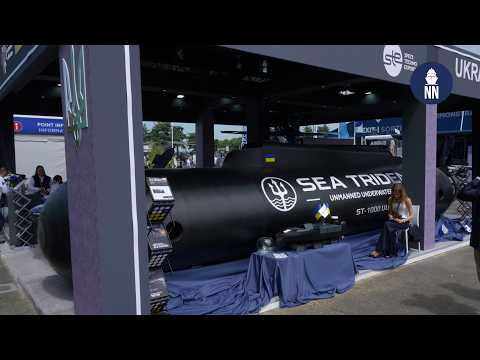
Ukraine’s Massive New Underwater Drone: Sea Trident ST-1000
Naval News

Massive Autonomous Robots Cruise Through Fields BlastingUV Light To Kill Pests Without Chemicals#ai
TECH

Boston Dynamics Atlas Gets MASSIVE Upgrade… Football Moves, Heavy Lifts & AI Learning
The AI Nexus

How Millions of Drones Are Made Inside DJI’s Massive Factory
The Factoran

Go Inside a MASSIVE Amazon Robotic Fulfillment Center Ahead of Black Friday, Cyber Monday
The Grapevine Edit

Meet ECOVACS commercial robotic floor scrubber M1 - engineered for massive commercial spaces
ECOVACS Commercial Robotics
Related entries
 Robot
RobotRelay Delivery Robot
The Relay Delivery Robot is an autonomous indoor delivery robot developed by Relay Robotics (formerly known as Savioke), designed primarily for hospitality and healthcare environments. It navigates hotel corridors and hospital hallways independently, rides elevators without human assistance, and delivers guest amenities, medications, linens, and other supplies directly to rooms or designated drop-off points. Relay is one of the most widely deployed service robots in its category, reportedly completing over one million lifetime deliveries with a publicly cited success rate of approximately 99.8%. With a cargo capacity of around 10 gallons, the robot is compact enough to operate in busy public spaces while carrying a meaningful payload of everyday supplies.
2,795 views
 Robot
RobotSpot
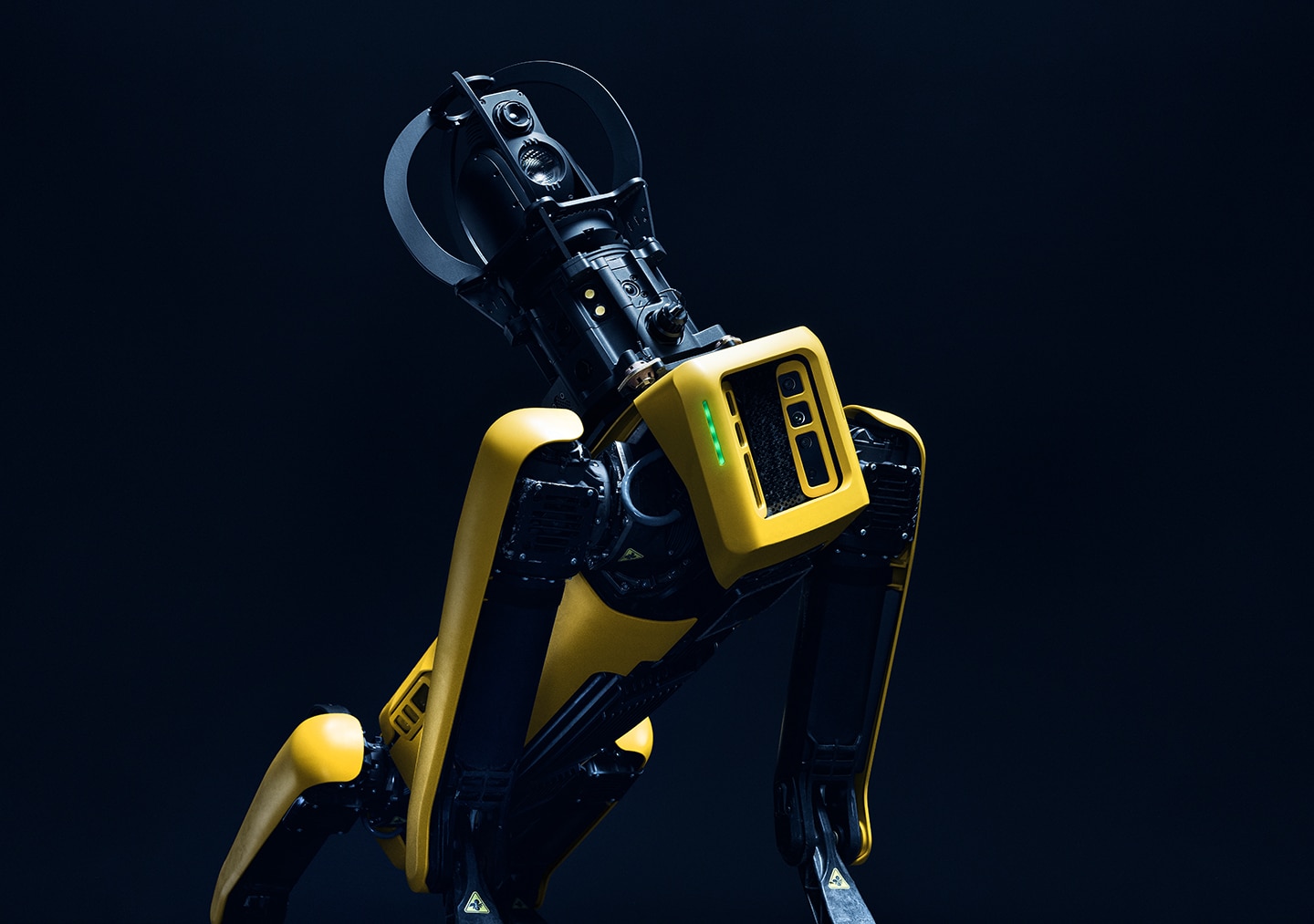
Spot is a four-legged autonomous robot developed by Boston Dynamics, a robotics company headquartered in Waltham, Massachusetts. Designed for inspection, security, and data collection in complex or hazardous environments, Spot can navigate stairs, rough terrain, and confined spaces that are inaccessible to wheeled robots. It is commercially available and has been deployed across industries including utilities, oil and gas, construction, and public safety. Spot supports a modular payload system that accommodates thermal cameras, pan-tilt-zoom (PTZ) cameras, lidar units, methane sensors, and other mission-specific hardware. Boston Dynamics also offers the Orbit fleet-management software platform, enabling operators to schedule autonomous inspection routes, aggregate sensor data, and manage multiple Spot units from a central interface. The robot is widely regarded as one of the most capable and commercially mature legged robots on the market.
1,504 views
 Robot
RobotRealSense Depth Camera D455
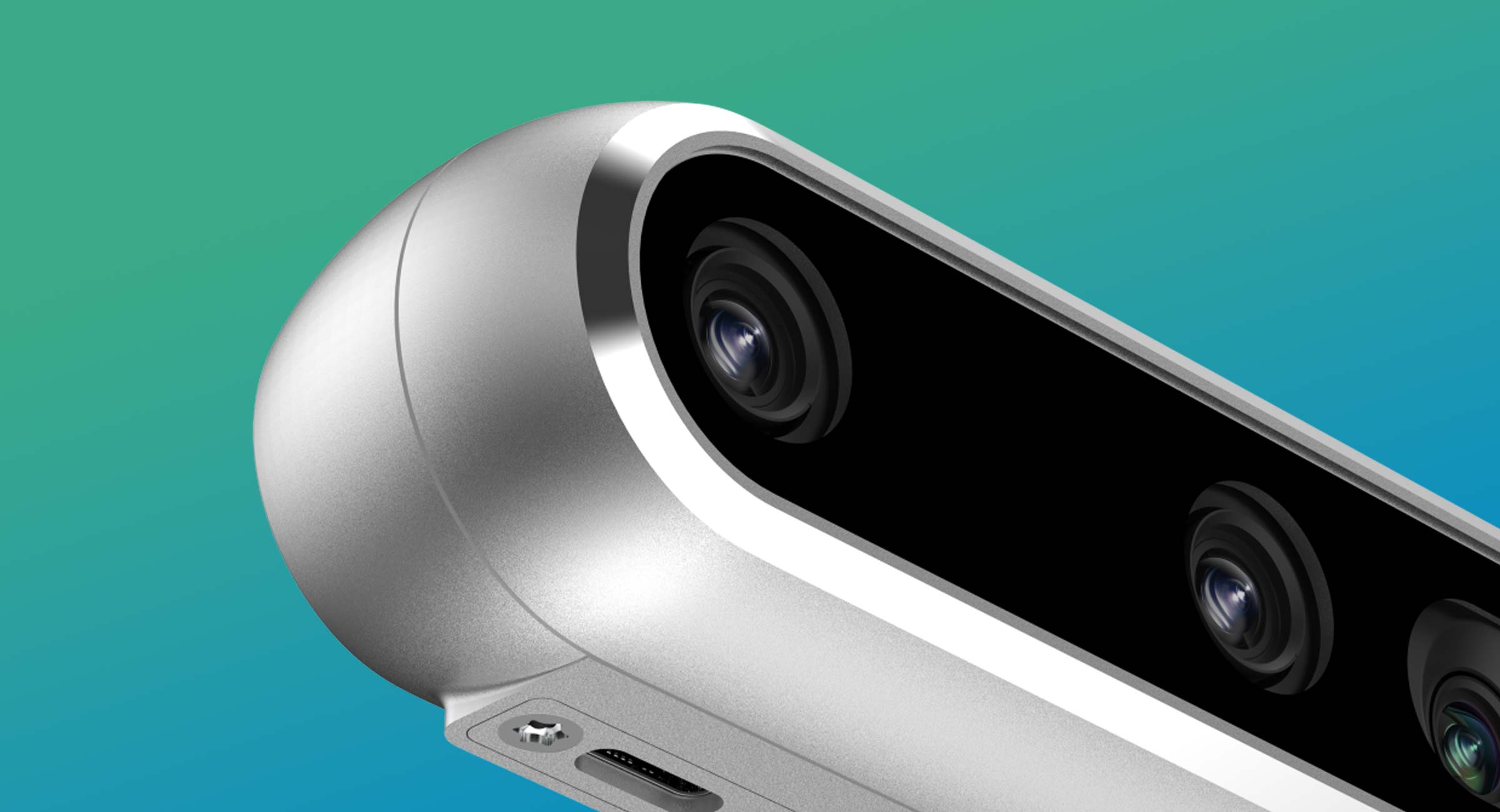
The RealSense Depth Camera D455 is a stereoscopic active-infrared depth camera belonging to Intel's D400 series, designed to capture high-fidelity depth data for robotics, autonomous mobile robots (AMRs), drones, and computer-vision applications. It features a 95 mm stereo baseline — the widest in the D400 lineup at the time of its introduction — which reportedly enables depth error of under 2% at ranges up to approximately 4 metres. Originally developed under the Intel RealSense brand, the D455 and related products were later spun off as part of an independent RealSense business unit following Intel's restructuring of the division around 2021–2022. The camera is widely adopted in research, industrial automation, and humanoid-robot development owing to its compact USB-powered form factor, open SDK support, and relatively accessible price point.
815 views
Rosie 2.0
The Rosie 2.0 is a commercial-grade autonomous robot vacuum developed by Tailos, designed to handle large-scale floor cleaning in business and institutional environments. It is offered in a two-pack configuration, allowing facilities to deploy multiple units simultaneously for broader coverage and more efficient cleaning cycles. Built to commercial durability standards, the Rosie 2.0 combines intelligent navigation with powerful suction technology to reduce reliance on manual labor and improve facility maintenance consistency. It targets businesses, hospitality venues, retail spaces, and other high-traffic environments where reliable, automated cleaning is a priority.
536 views