Yangjie Xu
Papers
3
Total Citations
73
H-Index
3
About
Yangjie Xu is a robotics and control systems researcher whose work has made notable contributions to the intersection of neural network-based learning and space robotics. Best known for pioneering research on the Self-Mobile Space Manipulator (SM²), Xu's 1993 paper "Neural Network Control of a Space Manipulator" earned 55 citations and introduced an innovative online learning control framework that enabled flexible space robot manipulators to adapt in real time by continuously updating feedforward dynamics. This work was groundbreaking in demonstrating that neural networks could be practically deployed for complex, real-world robotic control tasks in demanding space environments. Xu continued refining this work into the 2000s, with a 2002 follow-up study on real-time implementation of neural network learning control for the SM² system, further solidifying the practical viability of adaptive control strategies in space robotics. Their 2004 contribution on tracking control of gyroscopically stabilized robots expanded their research portfolio into stabilization and precision motion control. Collectively, Xu's research reflects a sustained commitment to advancing intelligent, adaptive control methodologies for next-generation robotic systems operating in challenging and dynamic environments.
Research Focus
Key Achievements
Top Papers
- 1Neural network control of a space manipulator55 citations · 1993
- 2
- 3Tracking Control of a Gyroscopically Stabilized Robot4 citations · 2004
Key Collaborators
Related papers
- Real-time implementation of neural network learning control of a flexible Space manipulator
- Neural network control of a space manipulator
- Real time control of robot manipulator using a neural network based learning controller
- Real-time dynamic control of an industrial manipulator using a neural network-based learning controller
- Control of Free-floating Space Robotic Manipulators base on Neural Network
Researchers in this area
Labs working in this area
If you're exploring the applied side
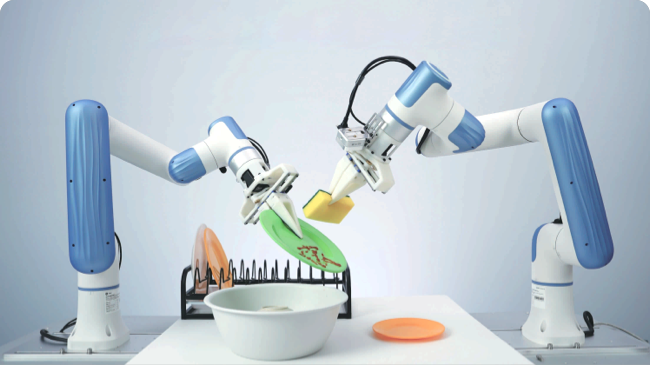
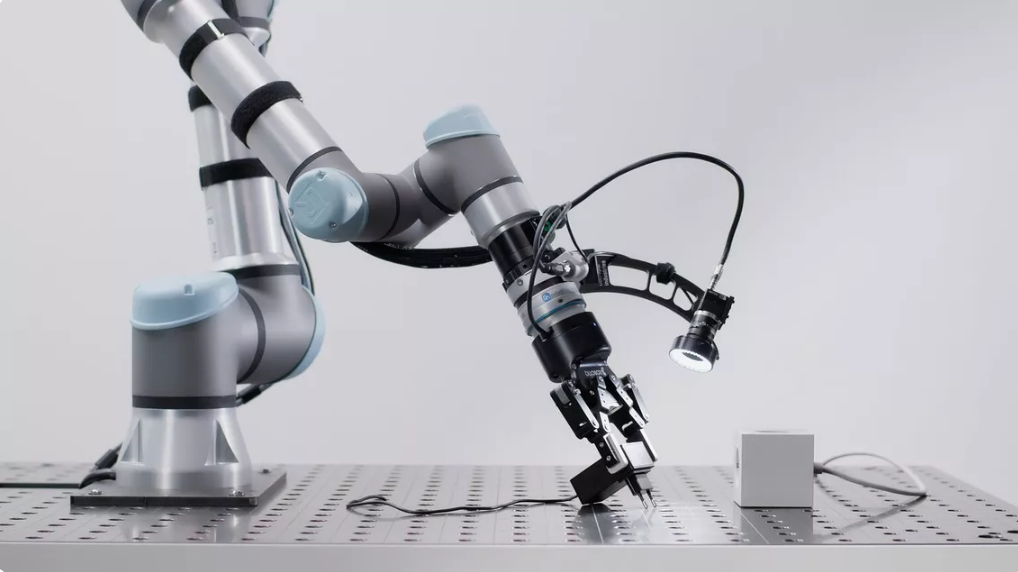
Commercial systems in adjacent areas you may find useful as a starting point. This is not a claim that the research here is used in them — academia and industry often move on separate tracks.

Suggested by topic similarity — not advertising or endorsement.