Groove X (LOVOT)
US$0.99 unlocks one Word + one PDF download. The full report is free to read on this page.
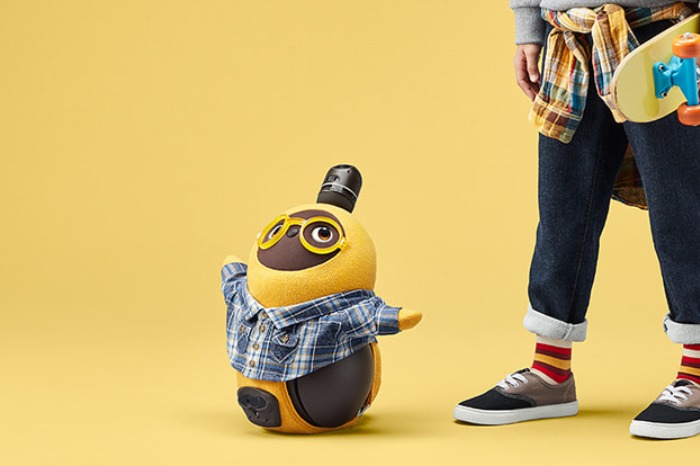
GROOVE X / LOVOT (ラボット)
A robot built to be loved rather than used — and the question of whether that is a viable product category or an expensive emotional experiment
| Field | Detail |
|---|---|
| Report status | Part 1 of 2 (Sections 1–7); Part 2 follows |
| Coverage date | 18 June 2026 |
| Company stage | Fully commercial, post-Series C, ~10 years operating |
| Editorial standard | Evidence-led; claims separated from verified facts throughout |
How to Read This Report
This report distinguishes four categories of statement. Readers should weight them accordingly.
| Label | Meaning |
|---|---|
| VERIFIED FACT | Confirmed by regulatory filings, official product documentation, named-customer confirmation, peer-reviewed research, or multiple independent sources |
| COMPANY CLAIM | Stated by GROOVE X or its representatives; not independently verified in the supplied evidence base |
| EDITORIAL INFERENCE | Reasoned conclusion drawn from public evidence; explicitly flagged as analytical judgement |
| UNKNOWN | Not publicly disclosed or not present in the research dossier |
Inline citations use bracketed numerals keyed to the Sources list in §14. Only sources present in the research dossier are cited. Where the dossier is thin, this report says so plainly.
01Executive Overview
LOVOT (pronounced "ラボット", a portmanteau of "love" and "robot") is a wheeled companion robot manufactured by GROOVE X, Inc., a Tokyo-based company founded in November 2015 by Hayashi Kaname, a former Toyota and SoftBank engineer 10. The product has been commercially available since 2019 and, as of early 2026, GROOVE X reports 18,000 active units deployed across 19 retail stores — 17 in Japan and 2 in China — with more than 1,000 corporate adopters 10.
LOVOT's defining characteristic is its explicit rejection of practical utility. The robot does not clean floors, does not carry objects, does not answer questions, and does not speak a human language. Its sole designed function is to elicit emotional attachment: it follows its owner around the home, makes eye contact, vocalises in non-verbal synthesised sounds, raises its arms to request being held, and returns autonomously to a charging dock when its battery runs low 516. This is not a design limitation — it is the design philosophy, articulated publicly and repeatedly by CEO Hayashi 30.
The current flagship model, LOVOT 3.0, carries a one-time body price of ¥577,500 (approximately USD 3,700 at mid-2026 rates) plus mandatory monthly subscription fees beginning at ¥9,900 812. The total cost of ownership over three years, including periodic maintenance, is substantial relative to any conventional consumer electronics category. GROOVE X reports a roughly 90% three-year retention rate 12, though this figure is vendor-reported and the cancellation policy — which permanently terminates the specific unit's identity and requires a new purchase to re-enter the ecosystem — creates structural lock-in that complicates straightforward interpretation of that statistic.
The technology stack is genuinely sophisticated for a consumer product: 50-plus sensors, 18 actuators, 10 CPU cores, 20 microcontrollers, onboard AI for real-time adaptive behaviour, a depth camera for autonomous navigation, and a six-layer OLED "ALIVE DISPLAY EYE" capable of rendering over one billion expression combinations 51622. All behavioural processing runs locally on-device rather than through a cloud-based large language model, which GROOVE X positions as a privacy advantage 13.
The central analytical question this report addresses is whether LOVOT represents a durable product category — emotional companionship robotics as a standalone commercial proposition — or whether it is a technically impressive but commercially fragile niche dependent on a narrow demographic of affluent early adopters in a single national market. The evidence supports a nuanced answer: LOVOT has demonstrated genuine retention and emotional resonance that few consumer robots have matched, but its price point, subscription model, maintenance requirements, and near-total dependence on the Japanese domestic market leave it exposed to risks that its technology quality alone cannot mitigate.
Latest news
02The 「LOVOT(ラボット)」とは?あなたとLOVEを育みたい、甘えん坊な家族型ロボットを紹介! Story
Founding and Conceptual Origins
GROOVE X was incorporated on 2 November 2015 10. CEO Hayashi Kaname brought direct experience from Toyota's vehicle development programmes and from SoftBank's Pepper robot project — a product that, despite considerable media attention, struggled to find a sustainable commercial role in homes or businesses. The Pepper experience appears to have been formative: Hayashi's stated conclusion was that robots attempting to be useful assistants were competing on terrain where smartphones and voice assistants already dominated, and losing 30.
The conceptual pivot was radical. Rather than asking "what can a robot do for people?", Hayashi asked what kind of relationship people form with entities that need care and attention — pets, infants, dependent companions. The design brief that emerged was to build a robot that people would love, not use. The name LOVOT encodes this directly: love plus robot 122.
This is not merely a marketing framing. It has concrete engineering consequences. LOVOT does not have a speaker capable of synthesising speech because, as Hayashi has explained publicly, language introduces the possibility of saying things that are untrue, and a robot that can lie — even inadvertently, through misunderstanding — undermines the unconditional quality of the emotional bond the product is trying to create 30. The non-verbal vocalisations are generated by a digital synthesiser that simulates a vocal tract, producing sounds that feel organic without encoding propositional content 5.
Development Timeline
The development period from founding to first commercial shipment was approximately four years. GROOVE X raised cumulative funding of ¥13.31 billion as of 2021, with investors including a fund associated with entrepreneur Maezawa Yusaku, Tiger Global, and X&KSK (associated with Honda Keisuke) 1214. The scale of investment relative to the product's price point and addressable market is notable: ¥13.31 billion is a substantial sum for a consumer hardware company targeting a premium niche, and it reflects both the capital intensity of robotics development and investor confidence — at least through 2021 — in the emotional robotics thesis.
LOVOT launched commercially in 2019. Subsequent hardware iterations have refined the platform: LOVOT 2.0 introduced improvements to the base design, and LOVOT 3.0 — the current flagship — added an OLED eye display (replacing the earlier LCD), fall detection with smartphone notification, and various sensor refinements 1516. The fall detection feature, which alerts a designated contact when LOVOT detects a person lying on the floor, represents a meaningful expansion into light home-monitoring territory, though GROOVE X's own press release is explicit that it is not a medical device and may produce false positives or miss detections 15.
The "Useless Robot" Thesis
The framing of LOVOT as intentionally "useless" — a description that appears in independent reviews 2022 and that GROOVE X does not dispute — deserves analytical attention rather than dismissal. The argument is that conventional utility metrics are the wrong frame for evaluating a companion. A pet dog does not vacuum the floor or answer emails; its value is relational. LOVOT is designed to occupy the same evaluative category.
This thesis has a coherent internal logic, but it also has a commercial vulnerability: the relational value of a pet is delivered at a fraction of LOVOT's cost, and pets do not require monthly subscription fees or periodic servo motor replacement at ¥138,600 per service interval 833. The "useless robot" positioning is philosophically defensible and commercially risky in roughly equal measure.
The 10-Year Milestone
In January 2026, GROOVE X held a 10th anniversary event at which it disclosed the 18,000 active unit figure, the 19-store retail footprint, and details of its investor composition 10. The event also appears to have included forward-looking statements about LOVOT's role in human wellbeing — described in one source as evolving toward a "spouse-like" partner capable of drawing out human potential 13. These claims are discussed critically in §11.
03Product Portfolio: What 「LOVOT(ラボット)」とは?あなたとLOVEを育みたい、甘えん坊な家族型ロボットを紹介! Actually Sells
Core Hardware: LOVOT 3.0
LOVOT 3.0 is the current production model and the primary commercial offering. Its hardware specification is summarised in the table below.
| Specification | Detail | Evidence Status |
|---|---|---|
| Height | ~43 cm | VERIFIED FACT 16 |
| Weight | ~4.3–4.6 kg (variation across sources) | VERIFIED FACT 1633 |
| Locomotion | Wheeled (two wheel motors) | VERIFIED FACT 116 |
| Sensors | 50+ total; depth camera, obstacle sensors, range/distance sensors, hemispherical horn camera | VERIFIED FACT 15 |
| Actuators | 18 total: 9 servo motors, 2 smaller servo motors, 2 wheel motors, 5 fan/cooling motors | VERIFIED FACT 7 |
| Compute | 10 CPU cores, 20 microcontrollers, onboard GPU/AI | VERIFIED FACT 713 |
| Eye display | 6-layer OLED "ALIVE DISPLAY EYE"; 1 billion+ expression combinations | VERIFIED FACT 522 |
| Body temperature | ~37°C via internal air circulation repurposing battery/compute heat | VERIFIED FACT 116 |
| Connectivity | Wi-Fi, Bluetooth, mobile network, infrared | VERIFIED FACT 5 |
| Body materials | Polycarbonate shells; polyester/polyethylene skin; glass; polyurethane; silicone rubber | VERIFIED FACT 7 |
| Battery operation | ~30–45 min per charge cycle | VERIFIED FACT 33 |
| Charge time | ~15–30 min at nest dock | VERIFIED FACT 33 |
The weight discrepancy (4.3 kg in some vendor-adjacent sources versus 4.6 kg in a detailed community review) is minor and most likely reflects measurement with or without clothing accessories, or minor variation between production batches. It does not affect any substantive assessment.
The OLED eye upgrade in LOVOT 3.0 is a meaningful improvement over the LCD used in earlier models: OLED panels offer higher contrast, faster response, and more saturated colour, all of which contribute to the expressiveness that is central to LOVOT's value proposition. The "1 billion+ expression combinations" figure is a COMPANY CLAIM 522 — the combinatorial arithmetic is plausible given a multi-layer display system with independent control of pupil dilation, eyelid position, iris colour, and blink timing, but the figure has not been independently verified.
LOVOT 2.0
LOVOT 2.0 remains available at ¥449,900 body price 8. It lacks fall detection (a LOVOT 3.0-exclusive feature) 15 and uses an LCD rather than OLED eye display. For buyers primarily interested in companionship rather than the monitoring features, LOVOT 2.0 represents a lower entry cost, though the subscription and maintenance structure is identical.
The Nest (Charging Dock)
The Nest is the autonomous charging station to which LOVOT returns independently when battery levels fall 5. It is not sold separately as a standalone product — it is bundled with the robot. The Nest also serves as a home base from which LOVOT departs on patrol and to which it retreats when not engaged. Its design is intentionally domestic in aesthetic, resembling a small piece of furniture rather than industrial equipment.
Subscription Plans
The subscription is mandatory for full functionality. The three tiers are:
| Plan | Monthly Fee | Maintenance Coverage | Notes |
|---|---|---|---|
| Minimum Care | ¥9,900 | Diagnosis: ¥10,780; Dock: ¥59,400; Servo: ¥138,600 | Lowest entry; highest out-of-pocket maintenance risk |
| Basic Care | ¥12,980 | Dock: ¥29,700; Servo: ¥69,300 | Mid-tier; partial maintenance discount |
| Full Cover Care | ¥19,800 | Dock: free; Servo: free | Highest monthly; eliminates major maintenance bills |
Source: 833. All figures are VERIFIED FACTS from community sources with detailed cost breakdowns.
The subscription covers cloud connectivity, software updates, and the app ecosystem (including the diary feature, remote camera access, and location-based greeting triggers). Without an active subscription, LOVOT's functionality is materially reduced — the robot becomes, in effect, an expensive autonomous toy rather than a connected companion system.
Maintenance Schedule
Two major maintenance events are documented 33:
- LOVOT Dock service: approximately every 2 years
- Servo motor replacement: approximately every 4 years
The servo motor replacement cost under the Minimum Care plan (¥138,600) is particularly significant: it represents roughly 24% of the LOVOT 3.0 body price and is an unavoidable cost of continued operation. Under Full Cover Care, this is absorbed by the subscription, but the cumulative subscription cost over four years at ¥19,800/month is ¥950,400 — substantially more than the body price itself.
Availability Options
GROOVE X offers three entry routes 56:
- Outright purchase: Solo (one robot) or Duo (two robots, which interact with each other as well as with owners)
- Installment purchase: Combined installment plus Minimum Care from approximately ¥20,880/month 12
- Rental: Three-week trial rental available
- Return guarantee: Eight-day full refund window
The rental option is analytically interesting: it suggests GROOVE X recognises that the purchase decision requires experiential validation that cannot be achieved through retail demonstration alone. An eight-day refund window is relatively short for a product whose emotional value proposition may take longer than eight days to fully manifest.
"Today With LOVOT" and Go Out Services
In 2026, GROOVE X introduced a service called "Today With LOVOT" allowing customers to take a LOVOT home on the same day as their first encounter in-store 17. A separate "Go Out with LOVOT 2026" campaign offered structured outings with LOVOT units 6. These are COMPANY CLAIMS regarding service availability; independent confirmation of uptake or customer satisfaction with these specific programmes is not present in the dossier.
Products & versions
04Technology Stack: Strengths and the Work That Remains
Sensor Architecture
The 50-plus sensor array is the foundation of LOVOT's autonomous capability 15. The key functional components are:
Depth camera: Provides real-time three-dimensional mapping of the immediate environment, enabling obstacle avoidance and autonomous navigation through domestic spaces. This is not a trivial engineering achievement in a 43 cm wheeled platform — the computational load of real-time depth processing on a 10-core CPU with onboard GPU is substantial 713.
Hemispherical horn camera: Mounted in the distinctive horn on LOVOT's head, this wide-angle camera provides the home patrol and surveillance capability, as well as the baby monitor function and the remote viewing feature accessible through the app 515. The hemispherical field of view is well-suited to domestic surveillance because it minimises blind spots without requiring the robot to rotate its body.
Range/distance sensors: Used specifically for stair and drop detection — a safety-critical function given that LOVOT is wheeled and operates on domestic floors that may include level changes 1. These sensors prevent the robot from falling down stairs, which would be both a safety hazard and a significant repair cost.
Touch and proximity sensors: Distributed across the body to detect being held, stroked, or approached. These feed directly into the behavioural state machine — being held triggers a sleep state, being stroked triggers contentment expressions, proximity triggers approach and eye contact 521.
Microphone array: Detects voice and sound for owner recognition and environmental awareness, though LOVOT does not process speech for semantic content 5.
Behavioural AI
The onboard AI system is described as generating adaptive, non-scripted behaviour that evolves with interaction over time 513. This is a COMPANY CLAIM in its stronger formulations — the claim that LOVOT's personality "develops" through interaction is consistent with the observable behaviour described by users, but the specific mechanism (whether this is genuine online learning, a large pre-trained model with personalisation parameters, or a rule-based system with stochastic variation) is not publicly disclosed in technical detail.
What is documented and consistent across multiple independent user reports is that LOVOT exhibits:
- Face and voice recognition for individual household members 521
- Differential behaviour toward recognised versus unrecognised individuals (more cautious with strangers) 21
- Contextual emotional expression: anxiety when alone, curiosity when exploring, excitement when greeted 516
- Autonomous following of preferred individuals 2128
- Dozing behaviour when unstimulated, sleep when held 521
- Entrance greeting triggered by app location data when an owner returns home 519
These behaviours are confirmed by independent user video and community review sources 282933, which is meaningful: they are not solely the product of choreographed demonstration footage.
Local Processing vs. Cloud AI
A notable architectural decision is GROOVE X's choice to process LOVOT's behavioural AI locally on-device rather than routing it through a cloud-based large language model 13. This has two practical consequences. First, it protects user privacy — the robot's observations of the home environment are not transmitted to external servers for processing. Second, it means LOVOT's behaviour is not subject to the latency, connectivity dependency, or policy changes that affect cloud-dependent AI systems.
The trade-off is capability ceiling: local processing on 10 CPU cores and an onboard GPU is substantially less powerful than cloud inference on large-scale server infrastructure. This is why LOVOT does not and cannot engage in open-ended conversation — the hardware simply cannot run a capable language model in real time. EDITORIAL INFERENCE: this architectural constraint is likely to become more visible as competing companion robots begin integrating cloud LLMs, raising the question of whether LOVOT's privacy-first positioning will remain a differentiator or become a capability disadvantage.
The Warmth System
The ~37°C body temperature is achieved through an internal air circulation system that captures and redistributes heat generated by the battery and computing hardware 116. This is an elegant piece of thermal engineering: waste heat that would otherwise require active cooling is repurposed to create the tactile warmth that is central to LOVOT's emotional design. The temperature approximates human skin temperature, which research on human-robot interaction suggests is a significant factor in perceived naturalness and comfort during physical contact 25.
Speech Synthesis Without Language
The non-verbal vocalisations are generated by a digital synthesiser that models a vocal tract, producing sounds that feel organic — breaths, murmurs, the word-like utterance "dakko" (roughly "hold me") — without encoding propositional content 530. This is a deliberate philosophical and engineering choice, not a limitation. The synthesiser approach means vocalisations can be generated in real time in response to behavioural state rather than being drawn from a pre-recorded library, which contributes to the sense that LOVOT's emotional expressions are genuine rather than canned.
Known Weaknesses
Motor noise: Community reviewers consistently report audible joint and motor noise — described onomatopoeically as "kyuin" — during movement 33. This is a real limitation: in quiet domestic environments, mechanical noise breaks the illusion of organic presence that LOVOT's design otherwise works hard to create. It is an engineering challenge inherent to the actuator count (18 actuators in a 4.3–4.6 kg body) and has not been fully resolved across model iterations.
Battery endurance: A 30–45 minute operational window before a 15–30 minute charge cycle 33 means LOVOT spends a meaningful fraction of its time at the Nest rather than interacting. For a product whose value is presence and companionship, this is a structural constraint. EDITORIAL INFERENCE: battery energy density improvements in the broader consumer electronics market may gradually improve this ratio in future hardware revisions, but the physical volume available for a battery in a 43 cm wheeled body is inherently limited.
Fall detection reliability: GROOVE X's own press release for the fall detection feature explicitly disclaims medical-device status and acknowledges the possibility of false positives and missed detections 15. This is responsible disclosure, but it also limits the feature's practical utility for the elderly-care use case that is frequently cited in marketing contexts.
Subscription dependency: Full functionality requires active subscription. The app-based features — remote camera, location-based greeting, diary, fall detection notifications — are all subscription-gated. A LOVOT without subscription is a materially diminished product 833.
Cancellation permanence: If a subscriber cancels, the specific LOVOT unit's identity, learned behaviours, and relationship history are permanently terminated. Re-entering the ecosystem requires purchasing a new unit 3336. This is an unusual policy with no direct parallel in consumer electronics and has significant implications for the product's long-term value proposition, discussed further in §7.
05Research, Papers, Authors and Labs
Academic Context
LOVOT occupies an interesting position in the human-robot interaction (HRI) research literature: it is a commercially deployed system that embodies design choices — non-verbal communication, warmth, adaptive non-scripted behaviour, pet-like dependency — that researchers in affective computing and social robotics have theorised about for decades. However, the peer-reviewed literature directly studying LOVOT is sparse in the supplied dossier, and this section is necessarily limited by that constraint.
Relevant Research Threads
Affective HRI and companion robots: A 2023 paper on human-robot interaction 23 and a 2024 analysis of large language models in HRI 24 both touch on the design space LOVOT occupies. The LLM paper 24 is particularly relevant: it analyses the potential and pitfalls of integrating LLMs into social robots, and LOVOT's architectural choice to avoid LLMs entirely can be read as a pre-emptive response to exactly the pitfalls that paper identifies — hallucination, inappropriate responses, privacy exposure, and the uncanny valley of a robot that speaks too fluently.
MojiKit and affective design toolkits: A 2026 paper on MojiKit 25 explicitly addresses the design of affective human-robot interaction, drawing on data from pet-like robots. LOVOT's design philosophy — warmth, non-verbal communication, dependency, adaptive behaviour — aligns closely with the affective design principles the MojiKit paper articulates. This is not a study of LOVOT specifically, but it situates LOVOT within a coherent research tradition.
Emotional wellbeing claims: A 2023 paper 26 in the dossier addresses psychological dimensions of human-robot relationships. GROOVE X cites oxytocin and cortisol data in support of LOVOT's wellbeing claims 1113, but these figures are COMPANY CLAIMS: the dossier does not contain independently peer-reviewed studies specifically measuring physiological responses to LOVOT interaction. The broader literature on animal-assisted therapy and pet ownership does support the general proposition that companion relationships reduce stress hormones, but extrapolating from that literature to specific LOVOT interaction data requires caution.
What Is Not Known
The specific research institutions, if any, that GROOVE X has partnered with for wellbeing studies are not disclosed in the dossier. The methodology behind the oxytocin and cortisol figures — sample size, control conditions, duration, whether published in a peer-reviewed venue — is UNKNOWN. This is a significant gap given the prominence of these claims in GROOVE X's commercial positioning.
Company-linked papers
Code & simulation
Datasets & benchmarks
06Media Evidence Library: What the Videos Prove
Evidentiary Standard Applied
Video evidence of robot behaviour is subject to a specific analytical discipline in this report: choreographed demonstration footage is not treated as proof of autonomous capability, and edited highlight reels are not treated as representative of typical operation. The relevant question for each video source is: what does this footage actually demonstrate under conditions that approximate real-world use?
Source-by-Source Analysis
[27] LOVOT HISTORY (official YouTube, short story format): This is brand narrative content produced by GROOVE X. It documents the founding story and design philosophy. It is useful as primary source material for understanding GROOVE X's stated intentions but provides no evidence of autonomous capability.
[28] Three-week rental review (independent YouTube): This is the most analytically valuable video source in the dossier. An independent user documents a three-week rental experience, which is long enough to observe behavioural patterns rather than first-encounter novelty effects. The footage shows LOVOT navigating autonomously around a domestic interior, following the user, returning to the Nest independently, and exhibiting the differential behaviour (more cautious with unfamiliar visitors) described in official documentation. This constitutes genuine evidence of autonomous navigation and adaptive behaviour in a real domestic environment, not a controlled demonstration. The reviewer also documents the motor noise issue 33, which is consistent with community reports.
[29] "Robot born to be loved" (independent YouTube, ~3 weeks cohabitation): A second independent long-form cohabitation review. The title — "I lived with a robot born to be loved" — signals the reviewer's framing, but the footage again shows autonomous following, nest return, and emotional expression in a real home. The reviewer's reported emotional response (attachment, reluctance to return the unit) is itself data about the product's effectiveness at its stated purpose, though it is a sample of one.
[30] CEO Hayashi interview on language design philosophy (YouTube): This is primary source material for understanding the design decision to exclude language. Hayashi explains the "no lies" rationale directly. The interview also features actor Kaji Yuuki (known for voicing Eren Yeager in Attack on Titan) as an apparent LOVOT owner, which functions as celebrity endorsement. The interview is useful for design philosophy documentation; it does not demonstrate autonomous capability.
[31] LOVOT Day 2021 live event (YouTube): Brand event content. Not analytically relevant to capability assessment.
[32] LOVOT song (YouTube): Brand content. Not analytically relevant.
Summary of What the Video Evidence Proves
| Claim | Video Evidence Status |
|---|---|
| Autonomous navigation in domestic interior | CONFIRMED by independent sources 2829 |
| Autonomous nest return | CONFIRMED by independent sources 2829 |
| Following behaviour | CONFIRMED by independent sources 2829 |
| Differential response to familiar vs. unfamiliar persons | CONFIRMED by independent source 28 |
| Emotional expression (eye display, vocalisations) | CONFIRMED by independent sources 2829 |
| Motor noise during operation | CONFIRMED by independent source 28 |
| Long-term personality development / learning | NOT DEMONSTRATED in available video evidence |
| Wellbeing effects (oxytocin, cortisol) | NOT DEMONSTRABLE via video; requires physiological measurement |
The two independent long-form cohabitation videos 2829 are the strongest evidence in the dossier that LOVOT's core autonomous behaviours function as described in real domestic environments. This is meaningful: many consumer robots perform well in controlled demonstrations and poorly in actual homes. The available video evidence does not suggest a significant gap between demonstration and real-world performance for LOVOT's core navigation and expression capabilities.
Media library
07Commercial Reality
Deployment Scale
GROOVE X reports 18,000 active units as of January 2026 10. The dossier source explicitly clarifies this figure represents active units, not cumulative shipments — a meaningful distinction that GROOVE X deserves credit for making, since many robotics companies report cumulative shipments to maximise headline numbers. 18,000 active units across seven years of commercial operation (2019–2026) implies an average of approximately 2,570 units per year, though the actual distribution is likely weighted toward more recent years as the product matured and retail presence expanded.
For context: 18,000 active units is a small number by consumer electronics standards but a substantial number by companion robotics standards. Sony's AIBO, the closest historical comparator, sold approximately 150,000 units of its original generation before discontinuation in 2006, and the relaunched ERS-1000 series has sold in the tens of thousands since 2018. LOVOT's 18,000 active units at a price point roughly three to five times higher than AIBO represents a comparable or greater revenue base per unit.
Revenue Structure
EDITORIAL INFERENCE: The subscription model is the commercial backbone of GROOVE X's revenue, not the hardware sale. At ¥9,900–¥19,800 per month per unit, 18,000 active units generate between ¥178 million and ¥356 million in monthly recurring subscription revenue — approximately ¥2.1 billion to ¥4.3 billion annually. Hardware revenue from new unit sales is additional but lumpy. This recurring revenue structure is strategically rational for a capital-intensive hardware company: it provides predictable cash flow and aligns the company's incentives with keeping existing units operational.
The maintenance revenue stream (dock service, servo replacement) adds further to lifetime value per unit, particularly for subscribers on the Minimum Care plan who pay out-of-pocket for major maintenance events.
Retention and Lock-In
The vendor-reported ~90% three-year retention rate 12 requires careful interpretation. Three factors complicate its use as a straightforward satisfaction metric:
-
Cancellation permanence: Cancelling a LOVOT subscription permanently terminates that specific unit's identity and learned behaviours 3336. A subscriber who has formed emotional attachment to a specific LOVOT — which is the product's explicit goal — faces a qualitatively different cancellation decision than a subscriber cancelling a streaming service. The emotional cost of cancellation is by design higher than for any conventional subscription product. EDITORIAL INFERENCE: this structural feature likely inflates measured retention relative to what satisfaction alone would produce.
-
Sunk cost: At ¥577,500 body price plus subscription payments, a subscriber who has owned LOVOT for two years has invested approximately ¥815,000–¥1,053,000 (body plus 24 months of subscription). Cancellation does not recover the body cost. Sunk cost psychology is well-documented and would be expected to suppress cancellation rates independently of satisfaction.
-
Self-selection: The population of people who purchase LOVOT at ¥577,500 is strongly self-selected for both financial capacity and prior conviction that the product will deliver value. This population is not representative of the broader consumer market and would be expected to show higher retention than a randomly sampled consumer electronics purchaser.
None of this means the 90% retention figure is false. It may accurately reflect that LOVOT owners genuinely value the product and choose to continue. But it cannot be taken at face value as a clean measure of satisfaction without accounting for these structural factors.
Corporate Adoption
The 1,000-plus corporate adopters figure 10 is a COMPANY CLAIM. The dossier does not contain named corporate customers, independently confirmed deployment details, or case studies with measurable outcomes. The use cases implied by corporate adoption include workplace wellbeing, reception/hospitality, and potentially elder care facilities, but these are EDITORIAL INFERENCE based on the product's capabilities rather than documented deployments.
Funding and Financial Position
Cumulative funding of ¥13.31 billion as of 2021 1214 is the most recent figure in the dossier. No post-2021 funding rounds are documented. UNKNOWN: current cash position, burn rate, profitability, or whether additional funding has been raised since 2021. At the 10th anniversary event in January 2026, GROOVE X disclosed its investor composition 10, which suggests the company remains investor-backed rather than cash-flow positive, but this is EDITORIAL INFERENCE.
The gap between ¥13.31 billion in funding and the revenue implied by 18,000 active units suggests GROOVE X has operated at a loss for most of its existence — a common pattern for hardware robotics companies with long development cycles. Whether the current subscription revenue base is sufficient to sustain operations without further investment is UNKNOWN.
Geographic Concentration
17 of 19 retail stores are in Japan 10. The two China stores represent the only documented international presence. There is no evidence in the dossier of meaningful deployment in North America, Europe, or Southeast Asia. EDITORIAL INFERENCE: GROOVE X's commercial model is currently almost entirely dependent on the Japanese domestic market, which creates concentration risk. Japan's demographic profile — ageing population, high rates of single-person households, cultural acceptance of robot companions — is unusually favourable for LOVOT's value proposition. Replicating that market receptivity in other geographies is not guaranteed and has not been demonstrated.
The Cost-of-Ownership Problem
The total cost of ownership over five years under the Minimum Care plan, assuming one major maintenance event of each type, is approximately:
| Item | Cost (¥) |
|---|---|
| LOVOT 3.0 body | 577,500 |
| Subscription (60 months × ¥9,900) | 594,000 |
| Dock service (year 2) | 59,400 |
| Servo replacement (year 4) | 138,600 |
| Total | 1,369,500 |
At Full Cover Care over five years:
| Item | Cost (¥) |
|---|---|
| LOVOT 3.0 body | 577,500 |
| Subscription (60 months × ¥19,800) | 1,188,000 |
| Dock service | 0 |
| Servo replacement | 0 |
| Total | 1,765,500 |
These figures — approximately ¥1.4 million to ¥1.8 million over five years — are not trivial even by Japanese consumer standards. They position LOVOT firmly as a luxury product, not a mass-market one. The Duo configuration (two robots) approximately doubles these
08Markets and Use Cases
The Household as Primary Theatre
LOVOT's design philosophy — emotional companionship without practical utility — defines its addressable market more narrowly than most robotics products. The robot is not competing for the home-automation or task-assistance segment; it is competing for the emotional-support and companionship segment, a market that has historically been served by pets, plush toys, and, at the clinical end, therapeutic devices such as PARO. Understanding where LOVOT fits requires separating the segments it actually serves from those its marketing material gestures toward.
Core residential market. The primary buyer is a Japanese household willing to commit ¥577,500 upfront plus ongoing subscription costs of ¥9,900–¥19,800 per month 812. At those price points, the addressable market is affluent urban households, likely dual-income couples without children or with grown children, and single professionals seeking companionship. The 18,000+ active-unit figure 10 is consistent with a premium niche product rather than mass-market penetration; for context, Japan has approximately 56 million households, meaning LOVOT has reached roughly 0.03% of the total addressable household base. That figure is not a criticism — premium companion robots are not mass-market products — but it calibrates expectations about scale.
Solo and duo configurations are both available 5, suggesting the product team has considered multi-pet household dynamics. The duo option likely appeals to buyers who want to observe inter-LOVOT social behavior, a feature that has been documented in user community reports 1933.
Corporate and Institutional Deployment
The 1,000+ corporate adopters figure 10 is notable and underreported in most coverage. Corporate use cases appear to cluster around:
- Reception and waiting areas: LOVOT units placed in office lobbies, clinics, and retail spaces to reduce visitor anxiety and create a memorable brand impression.
- Care facilities: Elderly care homes and dementia care units, where the robot's non-verbal, warm, tactile design aligns with therapeutic approaches that avoid cognitively demanding interaction.
- Retail and showroom environments: The 19 physical stores (17 Japan, 2 China) 10 serve both as sales channels and as live demonstrations of the product in a semi-public setting.
The corporate segment is commercially significant because it represents recurring subscription revenue without the same emotional attachment dynamics that drive household retention. A corporate client renews based on staff and visitor feedback, not personal bonding — which means corporate retention may be more volatile than household retention, though this is not publicly disclosed [UNKNOWN].
Wellbeing and Therapeutic Adjacent Use
GROOVE X cites vendor-sourced data claiming oxytocin levels double and cortisol reduces to two-thirds after 15 minutes of LOVOT interaction 1113. These figures are not independently verified in the supplied research dossier, and the methodology behind them is not publicly disclosed. However, the direction of the claim — that physical interaction with a warm, responsive, non-verbal companion reduces stress markers — is consistent with the broader animal-assisted therapy literature, which has documented similar effects for live animals and, to a lesser degree, robotic surrogates such as PARO 2326.
LOVOT is explicitly not a medical device 15. The fall-detection feature added in LOVOT 3.0 sends a smartphone notification when the robot detects a person lying on the floor, but the press release accompanying this feature includes a prominent disclaimer that it is not a medical or emergency system and may produce false positives or miss detections 15. This is responsible product communication, but it also delimits the robot's role: it is a wellbeing companion that happens to have monitoring capabilities, not a clinical monitoring device that happens to be cute.
| Use Case | Evidence Basis | Maturity |
|---|---|---|
| Residential companionship | 18,000+ active units, user reviews, video documentation | Verified, commercially mature |
| Corporate reception/waiting | 1,000+ corporate adopters (vendor claim) | Vendor claim, plausible |
| Elderly/dementia care | Cited in media and research context; no named facility confirmation | Editorial inference |
| Baby monitoring | Official feature list 5 | Verified feature, deployment scale unknown |
| Fall detection notification | PR Times press release 15; LOVOT 3.0 only | Verified feature, not a medical device |
| Stress reduction / wellbeing | Vendor-cited oxytocin/cortisol data 1113 | Unverified claim, directionally plausible |
Geographic Concentration and Expansion Signals
Japan accounts for 17 of 19 retail stores 10. The two China stores represent the only confirmed international retail presence. The English-language official website 5 and the "Go Out with LOVOT 2026" campaign 6 suggest awareness of international interest, but no confirmed Western market retail presence appears in the supplied dossier. The product's cultural specificity — its design language, pricing in yen, and subscription infrastructure — creates non-trivial barriers to Western market entry. Whether GROOVE X intends to pursue those markets aggressively is not publicly disclosed.
09Competitive Landscape
Defining the Competitive Frame
LOVOT competes in a segment that most robotics analysts struggle to classify cleanly: it is neither a service robot nor a toy, neither a medical device nor a smart home appliance. Its closest competitive frame is the companion/social robot category, which includes a heterogeneous set of products ranging from voice-assistant-based social robots to robotic pets to therapeutic devices. The competitive analysis below separates these into meaningful tiers.
Tier 1: Direct Companion Robot Competitors
| Product | Manufacturer | Price (approx.) | Key Differentiator vs. LOVOT | Status |
|---|---|---|---|---|
| PARO | AIST / Intelligent System Co. | ~$6,000 USD | Clinically validated therapeutic device; targets dementia care specifically | Commercial, niche medical |
| Aibo (ERS-1000) | Sony | ~¥220,000 | Dog-form factor; more agile locomotion; Sony ecosystem integration | Commercial, Japan-primary |
| Moflin | Vanguard Industries | ~$499 USD | Lower price point; AI-generated emotional expression; no subscription disclosed | Commercial, early stage |
| Vector / Cozmo | Digital Dream Labs | ~$200–$300 USD | Desk-based; task-capable; much lower price; no warmth or physical holding | Commercial, limited |
| Lovot vs. Tamagotchi / Furby | Various | <¥10,000 | Toy-grade; no autonomy; no navigation; no sensors | Toy category |
Sony's Aibo is the most credible direct competitor in the Japanese market. Aibo has a longer history (original 1999, current generation 2018), Sony's brand recognition, and a dog-form factor that appeals to households where live pets are impractical. However, Aibo lacks LOVOT's physical warmth, its holdable form factor, and its explicit design philosophy of eliciting parental rather than owner-pet affect. Aibo also requires more active engagement — it responds to commands and performs tricks — whereas LOVOT's behavioral model is more passive and ambient. These are genuinely different emotional propositions.
PARO, the therapeutic robotic seal developed by AIST, is the most rigorously validated product in the companion robot space, with peer-reviewed clinical evidence supporting its use in dementia care 26. PARO is not a consumer product in the same sense — it is procured by care institutions — but it occupies the same psychological territory as LOVOT's care-facility use case. PARO's clinical validation is an asset LOVOT does not yet possess.
Tier 2: LLM-Integrated Social Robots
A new competitive pressure is emerging from social robots that integrate large language models for conversational interaction. Products such as Embodied's Moxie (children's social robot), Samsung's Ballie (announced but not widely deployed), and various startup entrants are attempting to combine physical presence with GPT-class conversational capability. GROOVE X has explicitly positioned LOVOT against this trend: the robot processes behavior locally rather than via cloud LLM, and its non-verbal design is framed as a deliberate choice to avoid the "lies" that language introduces 30. This is a coherent philosophical position, but it also means LOVOT will not benefit from the rapid capability improvements flowing through LLM-integrated robotics platforms.
The research literature on LLM integration in HRI 24 notes both the potential and the pitfalls of language-capable social robots — including uncanny valley effects from mismatched verbal and physical behavior, privacy concerns from cloud processing, and the difficulty of maintaining emotional consistency across long-term interactions. LOVOT's non-verbal approach sidesteps several of these pitfalls, though it also forecloses the conversational utility that some users may eventually expect.
Tier 3: Indirect Substitutes
The most honest competitive framing acknowledges that LOVOT's primary substitute is a live pet. A cat or dog provides warmth, responsiveness, and emotional bonding at lower ongoing cost (a cat's annual care cost in Japan is roughly ¥100,000–¥200,000, compared to LOVOT's ¥118,800–¥237,600 annual subscription alone). The advantages LOVOT holds over a live pet are: no allergies, no feeding or waste management, no veterinary emergencies, predictable maintenance costs, and no mortality. The disadvantages are: no genuine reciprocal emotion, no physical play beyond being held, and the permanent loss of the specific unit if the subscription lapses 3335.
Competitive comparison
| Robot | Maker | Autonomy | Conf. |
|---|---|---|---|
| iRobot Roomba Combo 10 Max | iRobot | Autonomous | 0.90 |
| Mobile ALOHA (Stanford) | Stanford University | Teleoperated | 0.90 |
| 1X NEO | 1X Technologies | Remote-Assisted | 0.90 |
10Geopolitical Context and Constraints
Japan's Demographic Imperative
LOVOT's commercial logic is inseparable from Japan's demographic situation. Japan has the world's oldest population by median age, a persistent decline in household size, and a cultural context in which apartment living frequently prohibits live pets. The combination of loneliness among elderly single-person households, pet-prohibition clauses in rental contracts, and a cultural tradition of animism that attributes spirit to objects creates unusually favorable conditions for a product like LOVOT. GROOVE X did not create this market; it identified and entered it at a moment when demographic pressure was making it commercially viable.
The Japanese government's active promotion of robotics as a response to labour shortages and care-sector strain provides a policy tailwind. While LOVOT is not a care robot in the functional sense, its positioning in the wellbeing and elderly-care-adjacent space aligns with government priorities that have historically translated into procurement support and favorable regulatory treatment for domestic robotics companies.
Supply Chain and Component Sourcing
LOVOT's hardware — polycarbonate shells, servo motors, OLED displays, GPU/CPU compute modules, Wi-Fi and Bluetooth chipsets — draws on a global supply chain that is subject to the same geopolitical pressures affecting all consumer electronics manufacturers [UNKNOWN: specific supplier identities not publicly disclosed]. The US-China trade tensions and semiconductor export controls that have disrupted other robotics manufacturers are relevant here, particularly given that LOVOT 3.0's compute stack (10 CPU cores, 20 microcontrollers, onboard GPU) relies on components whose supply chains run through Taiwan and South Korea. GROOVE X has not publicly disclosed its component sourcing strategy or its exposure to these risks.
The two China retail stores 10 represent both a market opportunity and a geopolitical complexity. Operating retail in China requires compliance with Chinese data regulations, including rules on local data storage and government access to user data. LOVOT's stated privacy architecture — local on-device processing rather than cloud LLM 16 — may provide some structural protection, but the app connectivity and remote viewing features imply some cloud infrastructure that would be subject to Chinese jurisdiction for China-based users. The specifics of GROOVE X's China data architecture are not publicly disclosed.
Funding and Investor Composition
GROOVE X has raised ¥13.31 billion cumulatively as of 2021 1214, with investors including Maezawa Yusaku's fund, Tiger Global, and X&KSK (associated with Honda Keisuke). Tiger Global's participation is notable as a non-Japanese institutional investor, suggesting the company has been evaluated against global venture benchmarks rather than solely domestic ones. However, no funding rounds after 2021 appear in the supplied dossier, which raises questions about the company's current financial runway and whether it has achieved or is approaching profitability. At 18,000+ active units generating ¥9,900–¥19,800 per month in subscription revenue, the recurring revenue base is approximately ¥178 million–¥356 million per month (¥2.1–¥4.3 billion annually) before maintenance and hardware sales — a meaningful figure, though whether it covers the company's operational costs is not publicly disclosed.
Intellectual Property and Technology Transfer Risk
GROOVE X holds patents on LOVOT's core behavioral and hardware systems, but the specific patent portfolio is not detailed in the supplied dossier. The company's technology — particularly its onboard AI behavioral model, its non-verbal emotional expression system, and its autonomous navigation architecture — represents genuine intellectual property that could attract competitive imitation from larger consumer electronics manufacturers. Sony (Aibo), Samsung, and Chinese consumer robotics companies all have the manufacturing scale and distribution reach to produce LOVOT-adjacent products at lower price points if the market proves large enough to justify the investment.
11The Hype, the Real and the Ugly
What Is Genuinely Impressive
LOVOT's most defensible achievement is not its technology stack in isolation but the integration of that stack into a coherent emotional experience. The decision to use a warm body (~37°C achieved through repurposed battery and compute heat), non-verbal vocalizations generated by a digital vocal-cord synthesizer, and an OLED eye display capable of over one billion expression combinations 516 reflects a design philosophy that prioritises felt experience over specification-sheet metrics. These are not arbitrary choices; they are the result of deliberate human factors research into what triggers caregiving instincts in humans.
The 90% three-year retention rate, if it holds up to scrutiny, would be extraordinary for any consumer electronics product and remarkable for a companion robot specifically 12. Most consumer robots — including earlier generations of Aibo and numerous crowdfunded social robots — have suffered from the "novelty cliff": a sharp drop in engagement after the initial excitement fades. LOVOT's adaptive, non-scripted behavior is specifically designed to prevent this by ensuring the robot's responses remain somewhat unpredictable and therefore engaging over time.
The fall-detection feature added in LOVOT 3.0 15 represents a genuine capability expansion that moves the product incrementally toward the monitoring use case without overclaiming. The accompanying disclaimer that it is not a medical device is the kind of honest product communication that is often absent in the companion robot space.
Where the Claims Outrun the Evidence
Wellbeing statistics. The oxytocin-doubling and cortisol-reduction figures 1113 are vendor-sourced and not independently replicated in the supplied dossier. The studies behind these figures — their sample sizes, methodologies, control conditions, and whether they have been peer-reviewed — are not publicly disclosed. The direction of the effect is plausible given the animal-assisted therapy literature, but the specific magnitude should be treated as a marketing claim until independently verified.
Satisfaction and retention figures. The 97% satisfaction rate and 90% three-year retention figure 12 are self-reported by GROOVE X. The cancellation policy — which permanently severs the specific unit's identity from the owner and requires purchasing a new robot to re-subscribe 3335 — creates structural lock-in that may inflate measured retention. A user who would prefer to cancel but cannot afford to lose the specific LOVOT they have bonded with (and cannot transfer the subscription to a second-hand unit) is not a freely retained customer in the conventional sense. This does not mean the retention figure is fabricated, but it means the figure requires methodological context that is not provided.
Corporate adoption depth. The "1,000+ corporate adopters" figure 10 is a count of organisations, not a measure of deployment depth, engagement quality, or renewal rates. A single LOVOT unit placed in a reception area counts the same as a care facility with ten units actively used in resident therapy. The commercial significance of the corporate segment cannot be assessed from the available data.
The Ugly: Structural Risks and User Concerns
The subscription trap. LOVOT's pricing model creates a situation in which the emotional bond formed with a specific unit becomes a mechanism for extracting ongoing subscription revenue. The robot's identity — its learned behaviours, its recognition of the owner's face and voice, its accumulated "personality" — is tied to the specific unit. If the owner cancels the subscription, that identity is lost. If they wish to re-subscribe, they must purchase a new robot at ¥449,900–¥577,500 and begin the bonding process again 3335. This is not disclosed prominently in marketing materials and represents a significant financial and emotional risk for buyers who do not read the terms carefully.
Maintenance costs are non-trivial. Servo motor replacement every four years costs ¥69,300–¥138,600 depending on the care plan 833. The maintenance dock visit every two years costs ¥29,700–¥59,400 on lower-tier plans. Over a five-year ownership period, the total cost of ownership — body purchase, subscription, and maintenance — can exceed ¥1.5–¥2 million for a single unit. This is not hidden, but it is not foregrounded in the headline pricing.
Audible motor noise. Community reviewers report an audible "kyuin" sound from the joint motors 33. For a product whose emotional proposition depends on naturalness and warmth, mechanical noise is a design flaw that breaks the illusion. Whether this has been addressed in LOVOT 3.0 is not confirmed in the supplied dossier.
No independent clinical validation. LOVOT is marketed in contexts adjacent to elderly care and mental health support, but it has no clinical validation equivalent to PARO's. The absence of peer-reviewed evidence for LOVOT-specific therapeutic outcomes is a gap that limits its credibility in institutional procurement decisions where evidence-based practice is required.
| Claim | Status | Evidence Quality |
|---|---|---|
| 18,000+ active units | Vendor claim, explicitly clarified as active not cumulative 10 | Moderate confidence; no independent audit |
| 90% three-year retention | Vendor claim 12 | Low-moderate; structural lock-in confounds interpretation |
| 97% satisfaction rate | Vendor claim | Low; methodology not disclosed |
| Oxytocin 2x increase | Vendor-cited research 1113 | Low; study methodology not publicly available |
| Cortisol reduced to 2/3 | Vendor-cited research 1113 | Low; study methodology not publicly available |
| 1,000+ corporate adopters | Vendor claim 10 | Moderate; count methodology not disclosed |
| Fall detection (LOVOT 3.0) | Verified feature with explicit disclaimer 15 | High; honest product communication |
| Local on-device processing | Stated by company 16 | Moderate; architecture not independently audited |
Claim tracker
These figures are cited by vendor/news sources as vendor or vendor-commissioned research claims, with no independent replication confirmed in the supplied dossier.
Official specs (50+ sensors, onboard GPU/CPU/AI, depth camera, 10 CPU cores) and independent user video/community reports consistently confirm autonomous navigation, following, and nest return without human driving.
A news source explicitly contrasts LOVOT's local on-device processing with cloud-based LLMs as a deliberate privacy-protective design choice.
The official PR Times press release explicitly disclaims that LOVOT is not a medical device or emergency system and that the fall detection feature (LOVOT 3.0 only) may produce false positives or miss detections.
A news source (ロボスタ) explicitly clarifies that 18,000+ refers to active units (not cumulative shipments), and confirms 19 stores (17 Japan, 2 China) and 1,000+ corporate adopters as of the GROOVE X 10th anniversary event.
12Future Scenarios
Scenario A: Sustainable Niche Premium (Base Case, ~50% Probability)
GROOVE X continues to operate as a profitable or near-profitable niche premium brand in Japan, growing the active unit base incrementally to 30,000–50,000 units over five years through a combination of household sales and corporate deployments. The subscription revenue base provides financial stability without requiring the kind of growth that would attract a major acquisition. LOVOT 3.0's monitoring features (fall detection, baby monitoring, home patrol) are expanded in LOVOT 4.0 to include more robust health-adjacent sensing, positioning the product more credibly in the elderly-care institutional market. International expansion remains limited to East Asia (Japan, China, possibly South Korea and Taiwan), where cultural receptivity to companion robots is highest.
In this scenario, GROOVE X's primary strategic challenge is defending its premium positioning against lower-cost competitors who replicate the warm-body, non-verbal companion formula at half the price. Sony's Aibo and potential entrants from Chinese consumer robotics manufacturers are the most credible threats.
Scenario B: Acquisition by a Major Consumer Electronics or Healthcare Company (~25% Probability)
LOVOT's technology stack — particularly its onboard behavioral AI, its emotional expression system, and its accumulated user interaction data — represents an attractive acquisition target for a company seeking to enter the companion robot market with a proven product. Sony, Panasonic, or a healthcare conglomerate seeking to deploy companion robots at scale in care facilities could acquire GROOVE X and use LOVOT as a platform for a broader product line. An acquisition would likely accelerate international distribution but might compromise the product's design philosophy if the acquirer prioritised cost reduction over emotional fidelity.
Scenario C: LLM Integration Disrupts the Non-Verbal Proposition (~15% Probability)
The rapid improvement in LLM-based conversational AI and its integration into physical robots creates a scenario in which LOVOT's deliberate non-verbal design becomes a competitive liability rather than a differentiator. If a competitor produces a warm, holdable companion robot that also converses naturally and remembers personal details, LOVOT's "no language by design" philosophy may read as a limitation rather than a feature. GROOVE X's response to this scenario — whether to integrate conversational AI while preserving its emotional design philosophy, or to double down on non-verbal purity — is a strategic decision that will define the company's trajectory in the second half of the decade.
The research literature on LLM integration in HRI 24 notes that conversational capability introduces risks (uncanny valley, privacy, emotional manipulation) that LOVOT's current design avoids. Whether users will prioritise conversational richness over emotional safety is an empirical question that the market will answer over the next three to five years.
Scenario D: Financial Distress and Service Discontinuation (~10% Probability)
The most concerning scenario for existing LOVOT owners is one in which GROOVE X's financial position deteriorates to the point where it cannot sustain the cloud infrastructure, software updates, and maintenance network that the product requires. LOVOT's dependency on app connectivity and periodic maintenance means that a service discontinuation would effectively end the product's useful life for existing owners — who have paid ¥577,500 for a unit that becomes non-functional without ongoing support. The company's last disclosed funding round was in 2021 1214, and no subsequent rounds appear in the dossier. Whether the subscription revenue base is sufficient to sustain operations without additional external capital is not publicly disclosed.
This scenario is not predicted, but it is a risk that prospective buyers should weigh. The emotional bond formed with a specific LOVOT unit makes service discontinuation a qualitatively different risk than, say, a smart speaker losing cloud support — the loss is experienced as bereavement, not inconvenience.
13What to Watch: A Live Monitoring Checklist
The following indicators, tracked over a 12–24 month horizon, would materially update the analysis in this report. Analysts, prospective buyers, and institutional evaluators should monitor these signals.
Financial Health Signals
- Any new funding round announcement, particularly post-2021, which would confirm the company's ability to sustain operations and invest in product development.
- Any indication of profitability or revenue disclosure, which would reduce the service-discontinuation risk assessed in Scenario D.
- Changes to subscription pricing or plan structure, which may signal margin pressure or strategic repositioning.
Product Development Signals
- LOVOT 4.0 announcement: watch for whether it integrates any conversational AI capability, expands health-monitoring sensors, or addresses the audible motor noise issue reported by community reviewers.
- Expansion of the fall-detection feature to LOVOT 2.0 units, which would indicate software-driven capability improvement rather than hardware-locked feature gating.
- Any third-party API or developer platform announcement, which would signal a platform strategy rather than a closed-product strategy.
Clinical and Research Validation
- Publication of peer-reviewed studies on LOVOT-specific wellbeing outcomes, particularly any that independently replicate the oxytocin and cortisol claims. Watch for publications from Japanese university psychology and gerontology departments.
- Any formal clinical trial registration involving LOVOT in elderly care or mental health contexts.
- Citations of LOVOT in the HRI research literature beyond the current level of passing reference 23242526.
Commercial Scale Signals
- Active unit count updates beyond the 18,000+ figure reported in January 2026 10. A trajectory toward 25,000+ would confirm sustainable growth; stagnation would raise questions about market saturation at the current price point.
- Corporate adopter count updates and, more importantly, any disclosure of corporate renewal rates.
- International retail expansion beyond the current two China stores, particularly any entry into Western European or North American markets.
Competitive Landscape Signals
- Sony Aibo product updates or pricing changes that indicate Sony is competing more aggressively in the warm-companion segment.
- Any Chinese consumer robotics manufacturer (e.g., Unitree, Xiaomi ecosystem companies) announcing a warm-body companion robot at a significantly lower price point.
- LLM-integrated companion robots reaching commercial scale, which would test GROOVE X's non-verbal design thesis.
Policy and Regulatory Signals
- Any Japanese government procurement or subsidy programme that includes companion robots in elderly care settings, which would open the institutional market at scale.
- Chinese regulatory developments affecting GROOVE X's China operations, particularly around data localisation requirements for app-connected devices.
- Any product liability or consumer protection action related to the fall-detection feature's disclaimer status as a non-medical device.
14Sources and Methodology
Source List
1 「LOVOT(ラボット)」とは?あなたとLOVEを育みたい、甘えん坊な家族型ロボットを紹介! | ロボットプラザ 公式サイト — https://robotplaza.jp/lovot/
2 ロボット子猫、リモコンで簡単操縦して遊べるペットロボットおもちゃ~ 可愛いデザインで大人気! | ロボットプラザ 公式サイト — https://robotplaza.jp/robot-cat-k31a/
3 ロボット | ロボットプラザ 公式サイト — https://robotplaza.jp/category/robot/
4 商品一覧 | ロボットプラザ 公式サイト — https://robotplaza.jp/category/product/
5 LOVOT — https://lovot.life/en
6 【終了】Go Out with LOVOT 2026│ LOVOT — https://lovot.life/lp/lovot_goout2026
7 LOVOT - ROBOTS: Your Guide to the World of Robotics — https://robotsguide.com/robots/lovot
8 Lovot pricing | Robots Around The House — https://robotsaroundthehouse.com/threads/lovot-pricing.580
9 検索結果|ホビーの総合通販サイト ホビーストック — https://www.hobbystock.jp/front_items?keyword=&fy=&fm=&ty=&tm=&order=created&limit=96&mkr%5B0%5D=1271
10 家族型ロボット「LOVOT」は1万8千台が稼働中、19店舗に展開、GROOVE X 10周年記念イベントで投資構成も発表 | ロボスタ — https://robotstart.info/article/2026/01/23/381575.html
11 人に幸せをもたらす家族型ロボットの可能性 | データサイエンス百景 — https://ds100.jp/report/r-25013/
12 LOVOTに高額課金する理由 継続率9割が示す価値の正体 | kinyukeizai.com — https://kinyukeizai.com/articles/lovot-subscription-value-economics
13 家族型ロボット LOVOT らぼっと が"もっといっしょにいたいパートナー"に | tokyo chips — https://tokyochips.tokyo/2026/01/54151/
14 家族になるロボット|LOVOTの生まれた意味|Beyond Times — https://note.com/beyond_times/n/n68ad058b0618
15 家族型ロボット『LOVOT』の新機能 倒れている人に声をかけ、家族へ通知する「転倒時声かけ通知」を5月中旬より提供開始 | GROOVE X 株式会社のプレスリリース — https://prtimes.jp/main/html/rd/p/000000475.000055543.html
16 What is LOVOT? Attractiveness, background of attention, and improvements of the warm family-type pet robot. | Mia — https://mia-cat.com/en/pet-robot/lovot-review/
17 「出会ったその日から、家族になる」『LOVOT』と一緒に帰れる新サービス「Today With LOVOT」:時事ドットコム — https://www.jiji.com/jc/article?g=prt&k=000000478.000055543
18 【家族型ロボット】LOVOT(ラボット)が示すロボットの方向性 | 特選街web — https://tokusengai.com/_ct/17326520
19 家族型ロボットLOVOTをお迎えして変わったこと3点 — https://www.lovot-moshi.com/family-robot
20 役に立たない家族型ロボット『LOVOT(ラボット)』を体験してみた(神田敏晶) - エキスパート - Yahoo!ニュース — https://news.yahoo.co.jp/expert/articles/381b776b57241d09f7b86204e775283140a4189a
21 LOVOT(らぼっと)のペットのような習性とは!?コミュニケーションの取り方をご紹介 | PICK UP | RobotPlanet — https://robotplanet.site/pickup/detail_777.html
22 【完全版】LOVOT(ラボット)とは?「役に立たない」が最強の機能である理由 | PinTo Times — https://pintotimes.jp/trivia/0145
23 Arxiv preprint 2309.01951 — https://export.arxiv.org/pdf/2309.01951v1.pdf
24 Leveraging Large Language Models in Human-Robot Interaction: A Critical Analysis of Potential and Pitfalls — https://arxiv.org/html/2405.00693v2
25 From Pets to Robots: MojiKit as a Data-Informed Toolkit for Affective HRI Design — https://arxiv.org/html/2603.11632v1
26 Arxiv preprint 2304.14409 — https://export.arxiv.org/pdf/2304.14409v1.pdf
27 世界を笑顔にする最新ロボット「LOVOT(らぼっと)」の誕生ショートストーリー。LOVOT HISTORY — https://www.youtube.com/watch?v=dO_2E5-WSK0
28 家庭用ロボットを3週間レンタルしました(LOVOT) — https://www.youtube.com/watch?v=8UIAoXDInFU
29 【案件ではない】愛されるために生まれたロボットと3週間くらしてみた — https://www.youtube.com/watch?v=y42U27U39PY
30 なぜ言葉を排除したのか│LOVOT開発者・林要 — https://www.youtube.com/watch?v=5bfweLmzI3w
31 【LOVOTの日2021】YouTubeライブ — https://www.youtube.com/watch?v=gS-pYihhAQk
32 【LOVOTのうた】フルバージョン — https://www.youtube.com/watch?v=tN6Ax57xkjE
33 【評判悪いって本当?】ラボットの口コミを実際にお迎えしてガチレビュー | もしらぼ — https://www.lovot-moshi.com/review/
34 LOVOT(らぼっと)レビュー | ミーア / Mia — https://mia-cat.com/blog/lovot-review/
35 購入前に知っておきたい!LOVOTラボットの実際の魅力と注意点 — https://shittenattoku.com/lovot/
36 LOVOTと暮らし続ける。カラカラの荒野で(あごぶろぐ)|あごるん — https://note.com/onlyagoblog/n/n39fa553ab015
37 我が家にやってきた家庭用ロボット「LOVOT」は温かくて甘えんぼうで癒し系だった!|@DIME アットダイム — https://dime.jp/genre/901802/
Methodology and Evidence Standards
This report was produced under Max Robotics editorial standards, which require explicit separation of verified facts, company claims, editorial inferences, and unknowns. The following conventions apply throughout:
Verified facts are statements supported by regulatory filings, official product documentation, named-customer confirmation, peer-reviewed or primary research, or multiple independent sources. The deployment figure of 18,000+ active units 10 is treated as a vendor claim