Lokomat
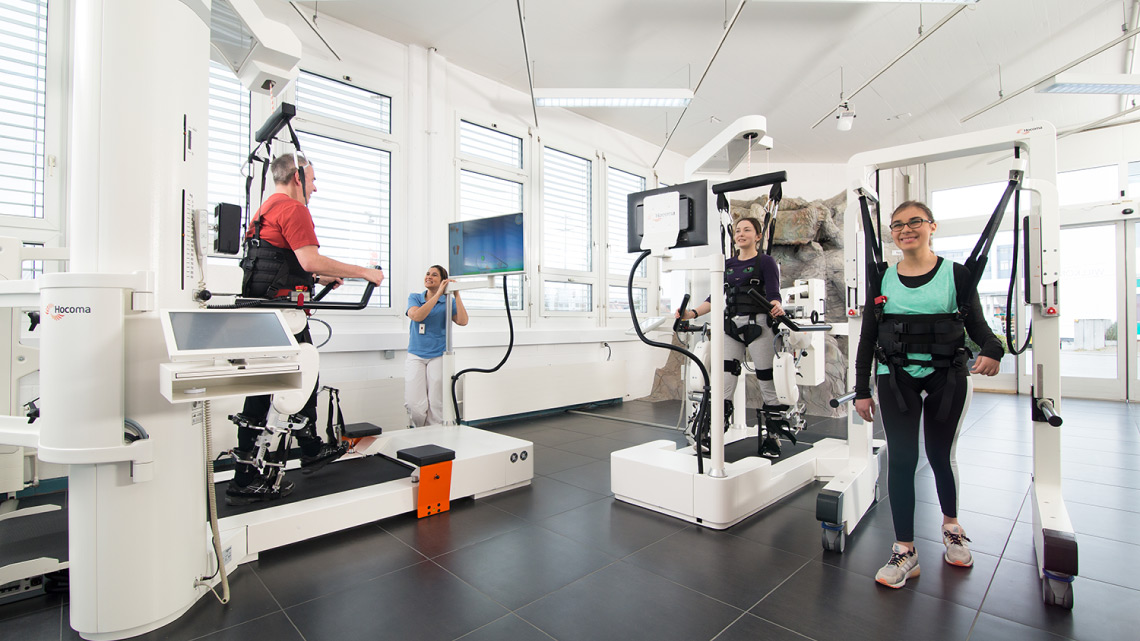
The Lokomat is a robot-assisted gait rehabilitation device developed by Hocoma, a Swiss medical robotics company now operating under the DIH (Digital Innovation in Healthcare) group. Designed for use in clinical settings, it combines a powered lower-limb exoskeleton with a body-weight support system and a treadmill to deliver intensive, physiologically accurate walking therapy to patients with neurological gait impairments—such as those caused by stroke, spinal cord injury, or multiple sclerosis. The system incorporates augmented performance feedback tools that allow therapists to monitor patient effort and adjust assistance levels in real time, aiming to promote neuroplasticity and motor recovery. The Lokomat is widely regarded as one of the most clinically studied robotic gait rehabilitation platforms in the world, with deployments reported across rehabilitation hospitals and research institutions globally.
Overview and Use Cases
The Lokomat is a powered robotic exoskeleton system designed to automate and standardize treadmill-based gait therapy. It is primarily indicated for patients with neurological conditions that impair walking ability, including:
- Stroke (hemiplegia or hemiparesis)
- Spinal cord injury (incomplete lesions)
- Multiple sclerosis
- Traumatic brain injury
- Cerebral palsy (addressed by a pediatric variant, the Lokomat Pro with pediatric orthoses)
By guiding the legs through a physiologically correct gait pattern while partially unloading the patient's body weight, the Lokomat enables high-repetition stepping practice that would be difficult to achieve through manual therapy alone. Therapists can titrate the level of robotic guidance—from fully guided to largely patient-driven—to match the patient's recovery stage.
Key Technical Features
The Lokomat system integrates several subsystems:
- Powered leg orthoses: Motorized hip and knee joints guide each leg through a programmed gait trajectory. Ankle guidance is addressed through passive components or optional add-ons depending on the configuration.
- Body-weight support (BWS) system: A dynamic unloading harness reduces the effective weight the patient must bear, allowing stepping practice even in early rehabilitation phases.
- Treadmill: A medical-grade treadmill provides the walking surface, with speed synchronized to the exoskeleton's gait cycle.
- Augmented feedback (LokomatPro FreeD module): Later versions introduced lateral and rotational pelvis movement to allow a more natural gait pattern, moving beyond purely sagittal-plane motion.
- Real-time biofeedback: Screens display patient effort metrics, encouraging active participation through visual feedback and gamified therapy modules.
Specific torque ratings and motor specifications are not consistently disclosed in public documentation; clinicians are advised to consult Hocoma directly for detailed technical datasheets.
Comparison to Similar Systems
Within Hocoma's broader rehabilitation robotics portfolio, the Lokomat focuses specifically on overground-style treadmill gait retraining, complementing other Hocoma products targeting upper-limb or balance rehabilitation.
In the competitive landscape, the Lokomat is often compared to:
- Ekso Bionics EksoGT: An overground wearable exoskeleton that allows untethered walking, contrasting with the Lokomat's treadmill-based approach.
- ReWalk Robotics ReWalk: Another overground exoskeleton system targeting spinal cord injury patients.
- Tyromotion Pablo / Amadeo: Focused on upper-limb rehabilitation, representing a different therapeutic domain.
The Lokomat's tethered, treadmill-based design offers high repeatability and precise data capture, which is valued in research settings, while overground systems may offer different functional training advantages.
Market Context and Target Buyers
The Lokomat is positioned as a premium clinical rehabilitation device. It is typically acquired by:
- Inpatient rehabilitation hospitals and neurological rehabilitation centers
- University hospitals and academic medical centers with research programs
- Specialized spinal cord injury or stroke rehabilitation units
As a capital medical equipment purchase, the Lokomat is generally not priced for individual consumer use. Exact pricing is not publicly listed and is understood to vary by configuration, region, and institutional agreements. The system competes in a market segment where clinical evidence, reimbursement pathways, and long-term service contracts are significant purchasing considerations.
Deployments and Clinical Evidence
The Lokomat has reportedly been installed in hundreds of rehabilitation facilities across Europe, North America, Asia, and beyond. It has been the subject of numerous peer-reviewed clinical studies examining its efficacy for stroke and spinal cord injury rehabilitation. While meta-analyses have shown mixed results regarding superiority over conventional therapy in some patient populations, the platform remains a reference standard in robotic gait rehabilitation research.
Notable adopters have included major academic rehabilitation centers, though Hocoma does not maintain a comprehensive public list of all installations.
Future Outlook
As of public reporting, Hocoma continues to develop the Lokomat platform with iterative software and hardware updates, including expanded biofeedback capabilities and integration with digital therapy management systems. Broader trends in rehabilitation robotics—such as AI-driven adaptive assistance, telerehabilitation integration, and outcome data analytics—are likely to influence future versions. The growing global burden of stroke and neurological disease is expected to sustain demand for high-intensity robotic gait therapy systems in the medium to long term.
Related entries
 Robot
RobotG1
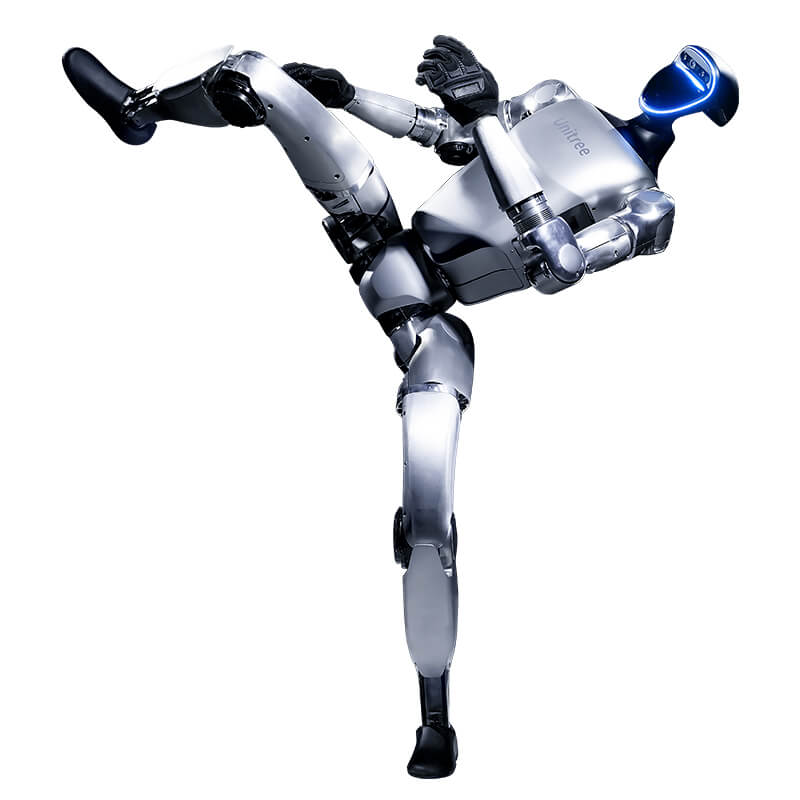
The Unitree G1 is a general-purpose humanoid robot developed by Unitree Robotics, a Chinese robotics company headquartered in Hangzhou. Standing approximately 1.32 meters tall and weighing around 35 kilograms, the G1 features 23 degrees of freedom and is capable of walking, running, recovering from falls, and performing dexterous manipulation tasks. It ships with SDK access, making it accessible to researchers and small-business operators seeking an affordable entry point into humanoid robotics. The G1 is widely regarded as one of the most competitively priced serious humanoid platforms available as of public reporting, positioning Unitree as a disruptive force in a market historically dominated by far more expensive systems. Its combination of mobility, recoverability, and open software access has attracted attention from academic institutions, robotics developers, and automation-focused startups worldwide.
4,253 views
 Robot
RobotUniversal Robots UR5e
The Universal Robots UR5e is a six-axis collaborative robot arm (cobot) belonging to Universal Robots' e-Series product line. Designed for light-to-medium industrial and laboratory tasks, it is widely used in assembly, pick-and-place, machine tending, quality inspection, and lab automation workflows. Universal Robots, a Danish company and a subsidiary of Teradyne, is one of the most recognized names in the collaborative robotics market. The UR5e is programmed using Universal Robots' PolyScope graphical interface on a teach pendant, making it accessible to operators without deep robotics expertise. Its built-in force/torque sensing, tool-center-point control, and a broad ecosystem of certified end-effectors and accessories (the UR+ platform) have made it a popular mid-range cobot choice across manufacturing, electronics, food handling, and research sectors.
3,786 views
 Robot
RobotQuicktron M100
The Quicktron M100 is a heavy-duty autonomous mobile robot (AMR) belonging to Quicktron Robotics' M-Series product line. It is designed for demanding material handling tasks in warehouses, distribution centers, and manufacturing environments, using an integrated lift mechanism to transport shelves and pallets autonomously across facility floors. Quicktron Robotics, a company with roots in China and a global commercial presence, positions the M100 as a high-capacity solution for operations that require moving heavier loads than lighter AMR models can accommodate. The M100 targets logistics operators and manufacturers seeking to automate goods-to-person or pallet-movement workflows at scale.
427 views
 Robot
RobotNVIDIA Jetson Orin NX
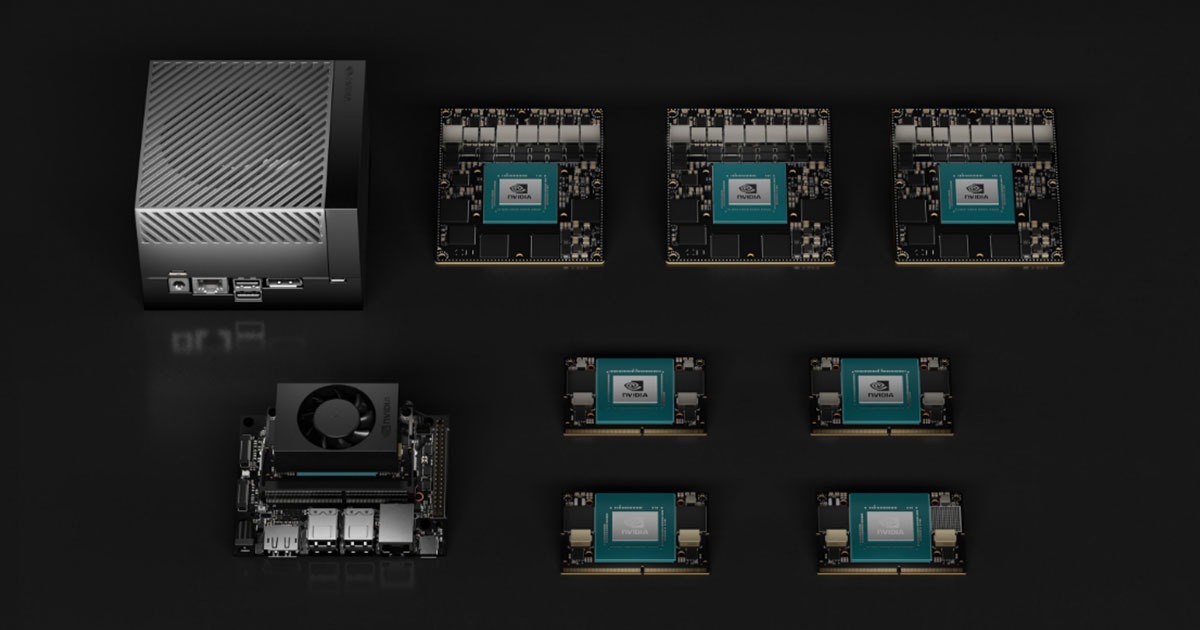
The NVIDIA Jetson Orin NX is a compact, SO-DIMM form-factor edge AI compute module designed for robotics, autonomous machines, and embedded vision applications. Manufactured by NVIDIA, it is available in 8 GB and 16 GB memory configurations and pairs an Ampere-architecture GPU with an 8-core Arm Cortex-A78AE CPU to deliver high-throughput on-device inference without relying on cloud connectivity. Positioned within NVIDIA's broader Jetson Orin family, the Orin NX targets developers and system integrators who need a balance of performance and power efficiency in a small footprint. It is commonly used in applications such as industrial inspection, autonomous mobile robots (AMRs), drone navigation, and smart edge devices where real-time AI inference is critical.
396 views