Let's compare
Nexxus ROV
Oceaneering
Not yet assessed
- Height
- —
- Payload
- —
- Verified autonomy
- not assessed
- Real deployment
- not assessed
- Status
- —
- Price
- —
Nexxus ROV
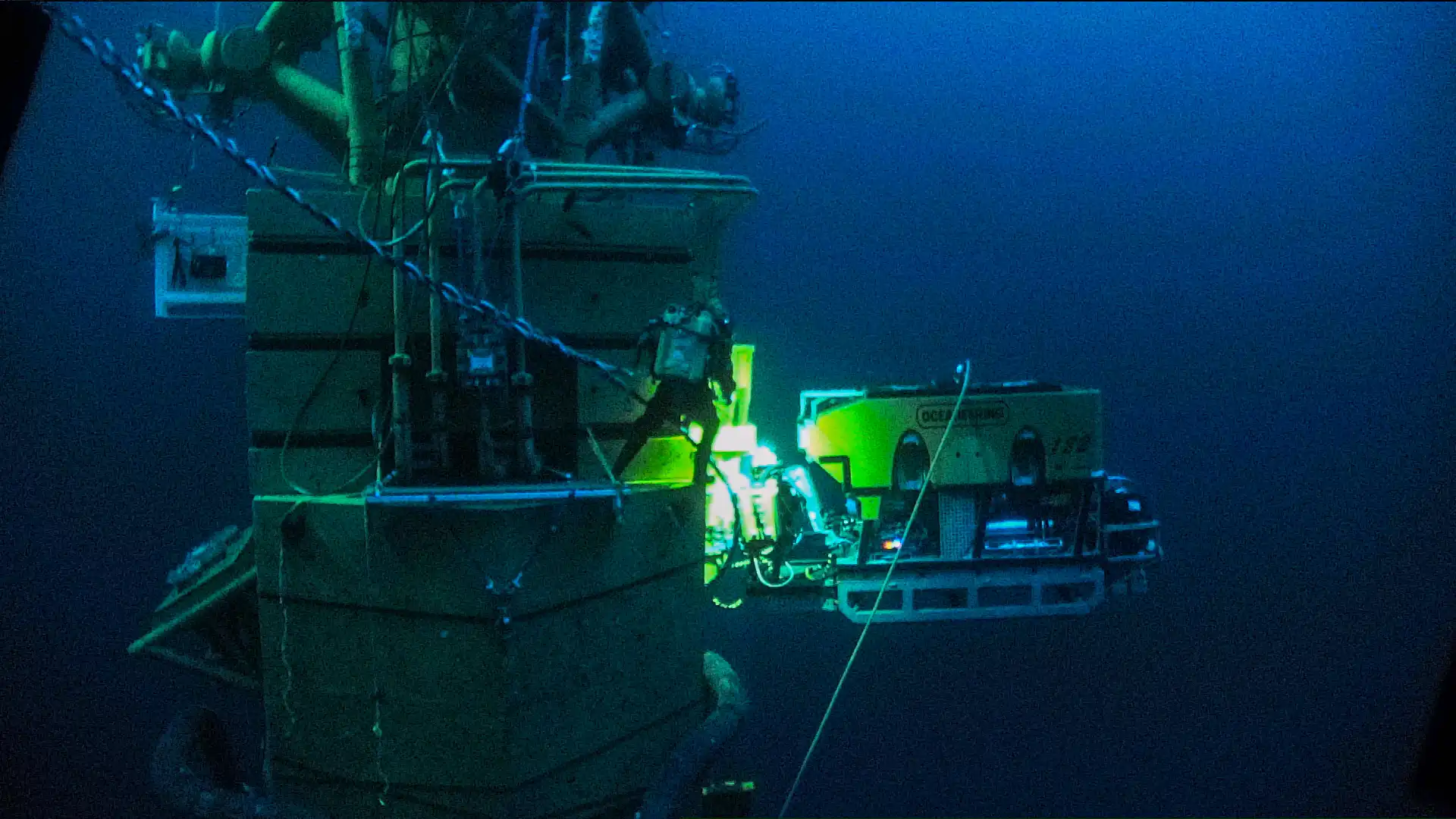
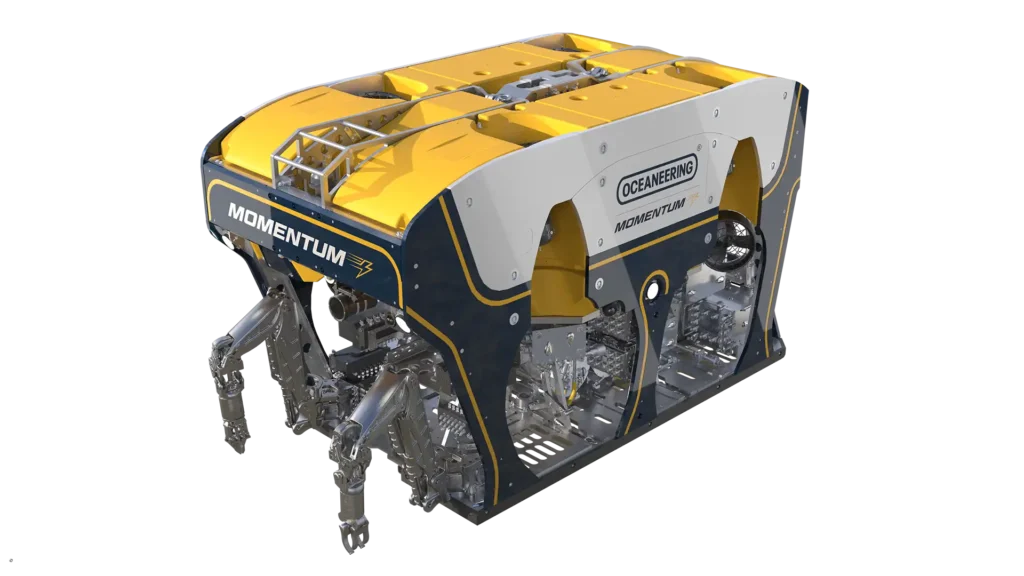
OceaneeringThe Nexxus ROV is a high-power, heavy work-class ROV manufactured by Oceaneering International, designed specifically to exceed API Standard 53 (API S53) specifications for BOP (blowout preventer) intervention tooling requirements. It is powered by a 150-kVA electric / 235-hp hydraulic-equivalent propulsion system and is rated for deep water operations, offering full power availability for tooling and unmatched high-pressure/high-flow tool control. As a teleoperated system, human pilots perform the subsea tasks by driving and directing the ROV; autonomy aids such as fly-by-wire station-keeping assist the operator but do not replace human task execution. No independent evidence contradicts the vendor's technical specifications, though pricing for the Nexxus specifically is not publicly disclosed.
Availability
Specification
- power
- 150-kVA electric / 235-hp hydraulic equivalent
Price
No public price — contact the supplier for a quote.
Good · Bad · Ugly
Evidence-graded claims from the Oceaneering deep report
Oceaneering entered a strategic partnership with Seagate Space Corporation to advance offshore launch platform design, extending its marine engineering capabilities into the commercial space launch sector.
SpaceNews [14], an independent space industry publication, reported the Seagate Space–Oceaneering partnership, independently corroborating the relationship's existence — though the actual technical deliverables and timeline remain unverified.
from Oceaneering deep report →
Oceaneering AUVs perform genuinely autonomous survey tasks including autonomous top-of-pipe tracking, geo-referenced photomosaics, and multi-sensor pipeline inspection without continuous human piloting.
The autonomous top-of-pipe tracking and full sensor suite capabilities are described in Oceaneering's own technical datasheet [9], which is more credible than pure marketing but remains vendor-sourced; no independent third-party field verification appears in the dossier.
from Oceaneering deep report →Oceaneering's work-class ROVs are rated to 10,000 fsw (standard) and optionally 13,000 fsw, and are API S53 compliant.
Depth ratings and API S53 compliance are stated consistently across Oceaneering's official product pages [1][2][3][4], but no independent certification body, customer, or regulator in the dossier independently confirms these specifications in field deployment.
from Oceaneering deep report →The Momentum Electric Work Class ROV introduces electric propulsion with a 150 kVA power system (235-hp hydraulic equivalent), representing a re-engineered, reliability-driven architecture.
Marine Technology News [10] independently reported the Momentum Electric's debut at the Subsea Tieback Forum, lending credibility to its existence and launch, but the specific 150 kVA spec and reliability claims come from Oceaneering's own product page [1] without independent performance verification.
from Oceaneering deep report →Oceaneering's AUV survey is 10–15x faster than ROV survey (3.0–3.7 knots vs. 0.25–0.50 knots) and approximately 10x cheaper for a 50-mile pipeline survey (~$85,000 vs. ~$840,000).
Both the speed comparison and cost figures originate from Oceaneering's own 2016 AUV survey datasheet [9]; the pricing is explicitly noted as 2016 nominal rates, and no independent customer or industry audit corroborates these figures.
from Oceaneering deep report →Oceaneering was selected by the U.S. Navy to provide a Large Displacement Unmanned Undersea Vehicle (LDUUV) COTS solution in 2024.
An independent trade news source [10] reported the LDUUV contract award, which is more credible than a press release, but the dossier does not include the original Navy contract announcement or a second independent source to fully corroborate the scope and value.
from Oceaneering deep report →
Oceaneering's work-class ROVs (Magnum Plus, Millennium Plus, Nexxus, Momentum Electric) are autonomous or highly autonomous systems, with fly-by-wire station-keeping implying full task autonomy.
Oceaneering's own AUV-vs-ROV technical datasheet [9] explicitly contrasts AUV autonomous operation against ROV human-piloted operation, confirming ROVs are teleoperated systems where fly-by-wire station-keeping is merely a pilot aid, not autonomous task execution.
from Oceaneering deep report →Oceaneering's ROVs support up to 30-day no-touch maintenance intervals in complex subsea environments via a fully self-contained subsea docking station.
The 30-day no-touch maintenance claim and subsea docking station capability appear only on Oceaneering's own ROV systems page [1]; no independent customer deployment report, operator testimony, or third-party audit in the dossier confirms this interval has been achieved in real-world field conditions.
from Oceaneering deep report →
About the company
Editorial directory of real robot products from leading global manufacturers. Each entry links to the manufacturer's official page.