Let's compare
DOBOT Nova Series
Dobot
Not yet assessed
- Height
- —
- Payload
- —
- Verified autonomy
- not assessed
- Real deployment
- not assessed
- Status
- —
- Price
- —
DOBOT Nova Series
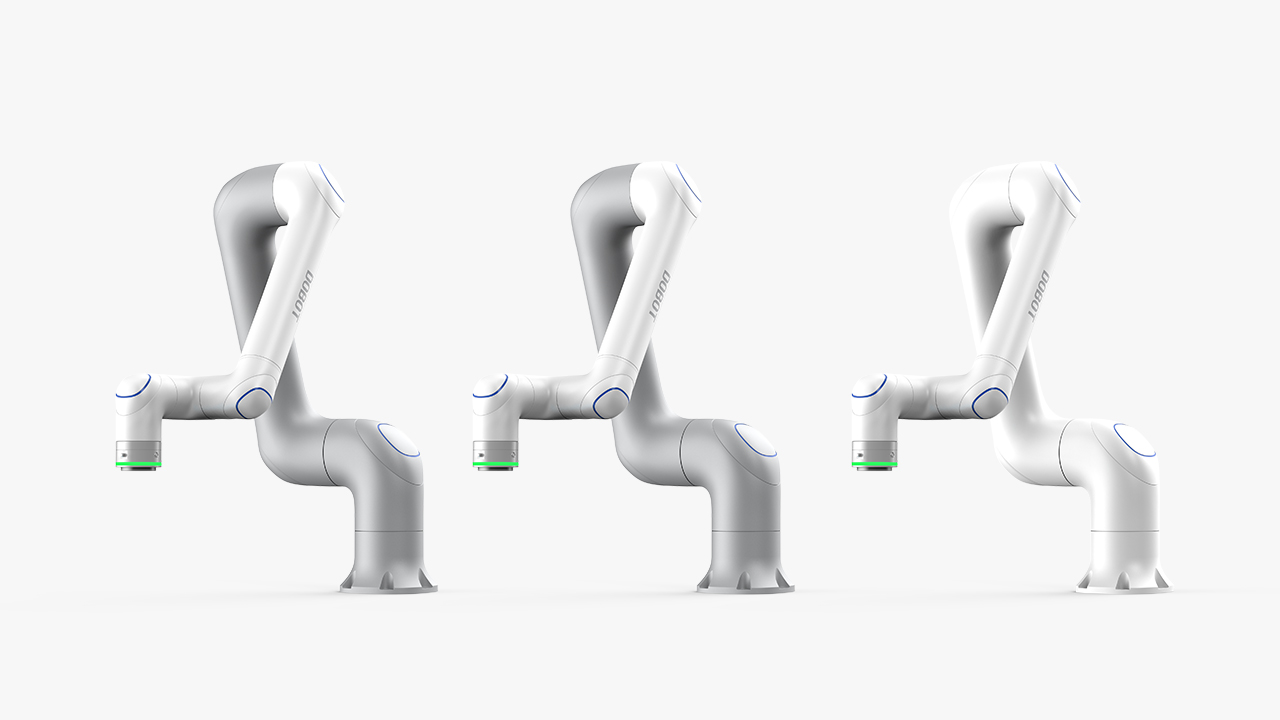
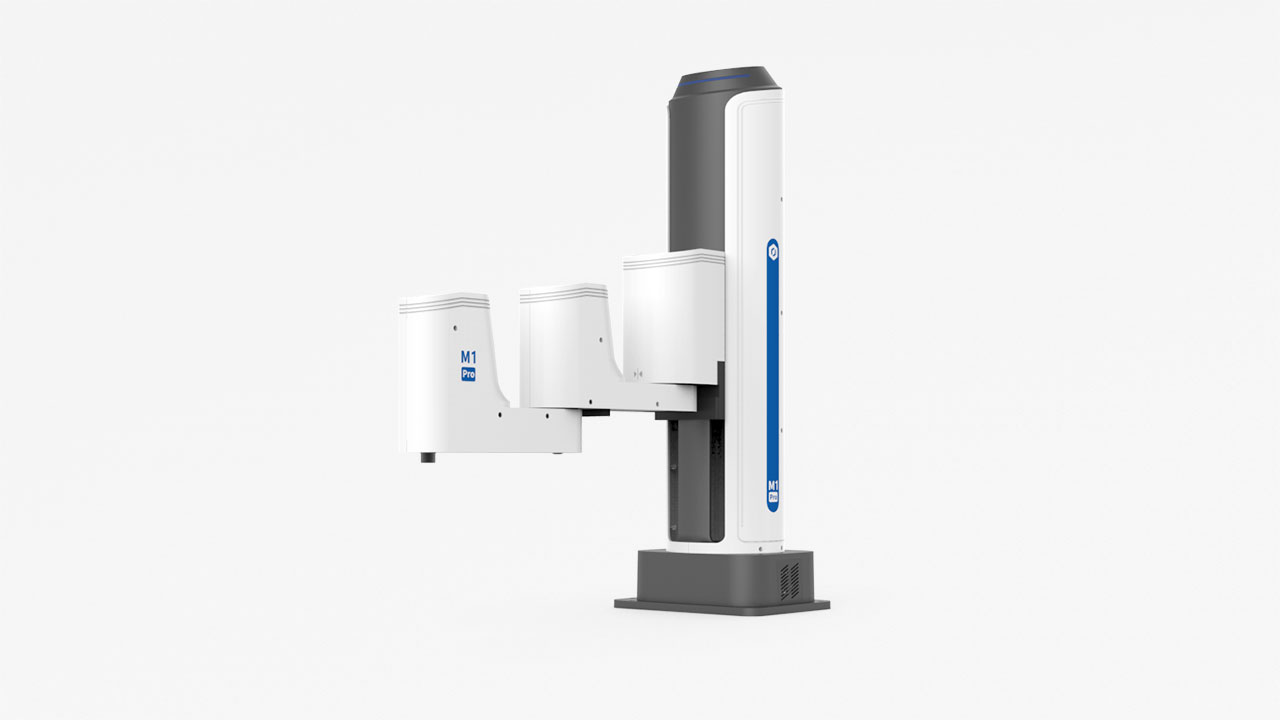
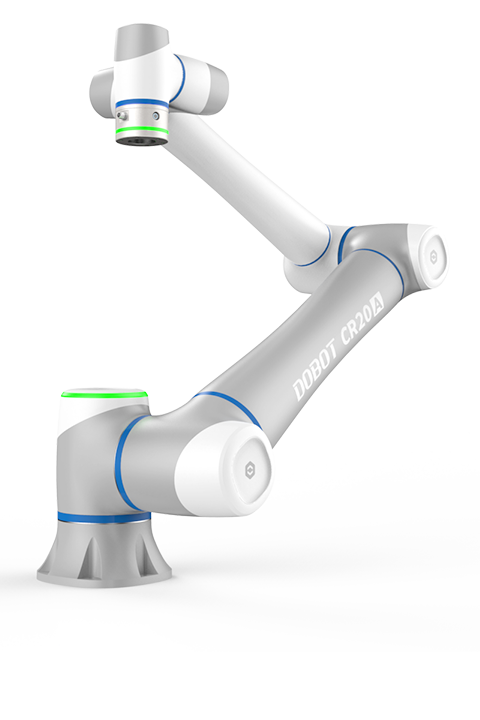
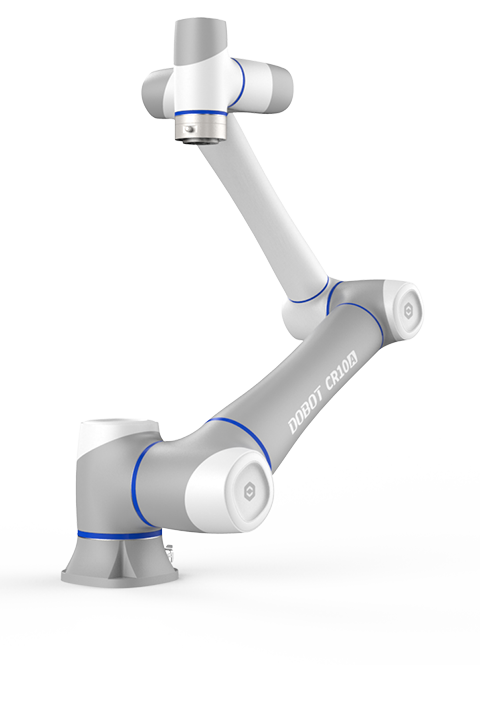
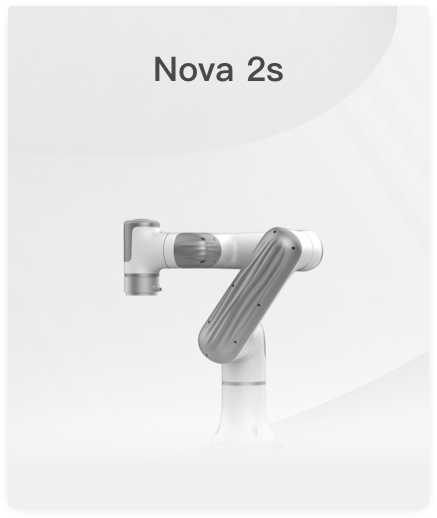
DobotThe DOBOT Nova Series comprises ultra-compact industrial collaborative robots with 2 kg and 5 kg payload capacities, designed for light industry applications including consumer electronics, semiconductors, automotive parts, and related sectors. Features high precision, compact design, easy programming, and configurable safety systems.
Availability
Industry
- factory
- logistics
Specification
- Two payload options
- 2 kg (Nova 2) and 5 kg (Nova 5)
- High precision
- ±0.05 mm repeatability, ±0.3 mm absolute accuracy
- Ultra-compact and lightweight design (11–14 kg) for tight space integration
- Adjustable 5-level collision detection with instant electromagnetic braking for safe human-robot collaboration
- Blockly programming with user-friendly interface; no prior coding experience required
- Wireless tablet connectivity and teach pendant control options
- Open ecosystem with comprehensive SDK support (C++, C#, Python, ROS1, ROS2)
- Wide range of end-effectors and modular structure for quick adaptation
- DobotStudioPro 4.6.1 software with vibration suppression and auto payload detection
Price
No public price — contact the supplier for a quote.
Good · Bad · Ugly
Evidence-graded claims from the DOBOT deep report
DOBOT ATOM full-size industrial humanoid robot has entered third-batch mass production and delivery.
Gasgoo/Autonews [14], an independent automotive industry news outlet, reported that DOBOT commenced mass production and delivery of the third batch of ATOM humanoid robots; the scale of deployment and real-world performance remain unverified.
from DOBOT deep report →The DOBOT CR5 cobot delivers ±0.02 mm repeatability at a 5 kg payload and 900 mm reach, priced at $22,980.
RobotLAB's commerce listing [5], a third-party reseller, independently publishes the detailed spec table and explicit purchase price for the CR5, though real-world repeatability under production conditions has not been independently tested.
from DOBOT deep report →
DOBOT cobots' touchscreen/Blockly programming interface lowers the barrier for novice users but creates friction and limitations for experienced industrial programmers requiring third-party firmware integration.
Community sources (Reddit/PLC forums) [19] discuss this usability tradeoff for cobots generally, but the dossier explicitly notes these reports are not DOBOT-specific, limiting direct applicability.
from DOBOT deep report →DOBOT completed Siemens SRCI integration for its cobot line, enabling native interoperability with Siemens industrial automation ecosystems.
The Siemens SRCI integration is confirmed only by DOBOT's own official announcement [12]; no independent Siemens statement, customer deployment report, or third-party validation of the integration's real-world functionality appears in the dossier.
from DOBOT deep report →
DOBOT ATOM humanoid robot achieves autonomous task decomposition and decision-making in unstructured environments (automotive assembly, beverage preparation, pharmacy) via the ROM-1 model (100M parameters, 24 Hz end-to-end control).
All ROM-1 autonomy claims originate exclusively from DOBOT's official product page [2]; no independent test, customer report, or third-party review in the dossier verifies real-world autonomous performance, and community sources warn that unstructured-environment autonomy routinely falls short of vendor claims [17].
from DOBOT deep report →