Tactile Robotics
SnapshotCompany claim
Tactile Robotics brings together engineering, software, research, clinical knowledge, and commercialization. It builds technology that moves from lab to life, working across robotics, AI, software, haptics, digital health, and research technologies.
- Founded
- Not disclosed
- HQ
- Not disclosed
- Models
- 0
- Categories
- 0
ContactCompany claim
- Address
- Not disclosed
Product families
Is this your company? Claim this profile to add verified data, respond to our analysis, and upgrade claims to Verified.
Claim this profile1. Executive Overview {#executive-overview}
Tactile Robotics is a Canadian deep-tech company operating at the intersection of robotics, artificial intelligence, haptics, software, and digital health. The company's stated mission — to "build technology that moves from lab to life" — signals a deliberate bridge between research-grade innovation and clinical or commercial deployment. Its multidisciplinary composition, drawing on engineering, software development, research, and clinical knowledge simultaneously, positions it as a vertically integrated venture rather than a narrow hardware or software play.
A December 2024 report from Peachscore confirmed a CAD $360,000 investment alongside strategic partnerships, providing the earliest publicly traceable signal of external validation and commercial momentum. The company's domain (tactilerobotics.ca) and contact infrastructure (demo@tactilerobotics.ca) indicate a Canadian base of operations, though the precise founding date, headquarters city, and headcount are not yet publicly disclosed. Active hiring across administrative, electrical, and software functions — with formal role reference codes (TR-AD-2026-01, TR-RD-2026-01) — suggests an organization in active scale-up, not pre-formation.
Not yet disclosed: revenue, customer count, clinical deployment sites, and named partnership details. Tactile Robotics is invited to claim or correct any of the above through the platform's data submission process.
Latest news
- KEENON Humanoid Pours Drinks at GCS 2026, 100,000 Others Run HotelsYanko Design·2026-06-15GENERAL
2. The Company Story {#the-company-story}
Tactile Robotics presents itself as a multidisciplinary deep-tech venture whose work spans robotics, AI, software, haptics, digital health, and research technologies. The company's framing — "from lab to life" — is a deliberate positioning statement: it implies proprietary research origins and a commercialization pathway, suggesting the company may have roots in an academic or clinical research environment, though the specific institutional affiliations, founding year, and founding team are not publicly named on the company's site.
The December 2024 Peachscore coverage representing a CAD $360,000 investment and strategic partnerships represents the earliest dateable public milestone in the company's commercial history available in the current dataset. The existence of a live demo-booking flow (demo@tactilerobotics.ca), a careers page with structured role reference codes, and a product signal ("TactileX," surfaced in the careers-page UI with an "AI SIGNAL · 98.7%" and "REMOTE NODE · ONLINE" readout) together indicate the company has moved beyond concept stage into active product development and go-to-market preparation.
The hiring profile reinforces this arc: an Administrative Support Services Manager role (TR-AD-2026-01) points to organizational maturation; an Electrical Technician role focused on "special digital-health and robotics projects" (TR-RD-2026-01) points to continued hardware R&D; and a Software/Application Developer role targeting "rehabilitation and robotic platforms" anchors the company's vertical focus in rehabilitation and digital health. Not yet disclosed: founding year, named founders, and the specific institutions or programs from which the company's research lineage originates. Tactile Robotics is invited to submit this information for correction.
3. Product Portfolio {#product-portfolio}
Products & versions
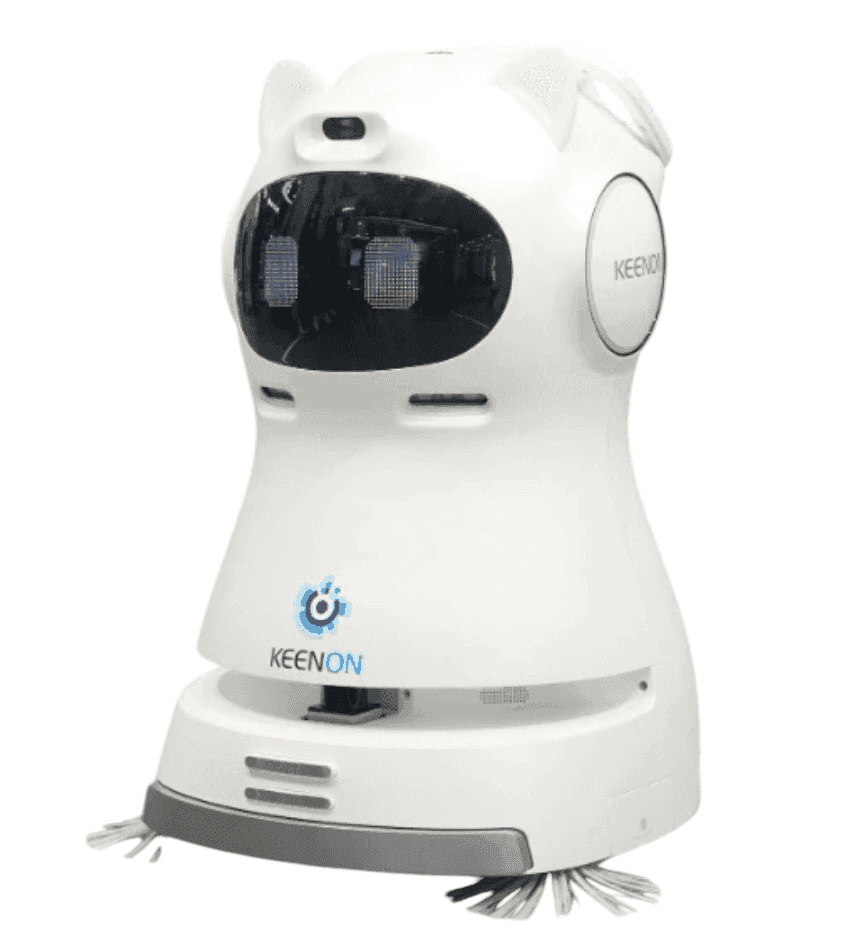
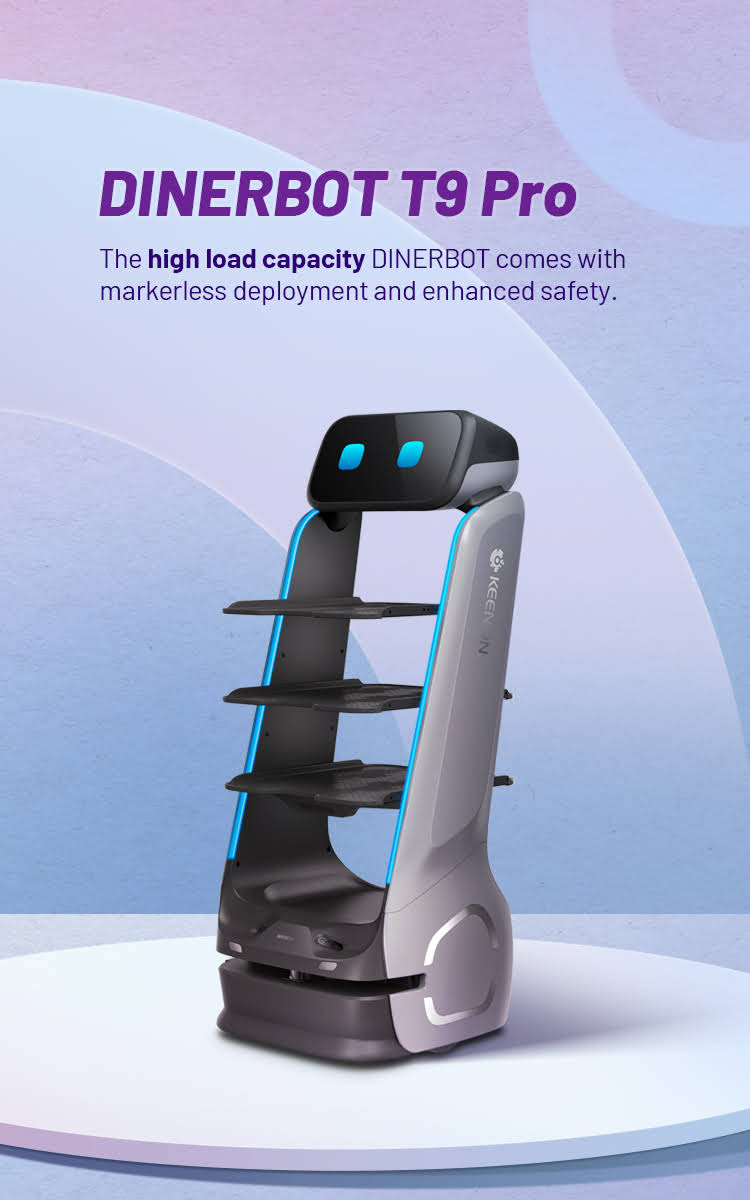
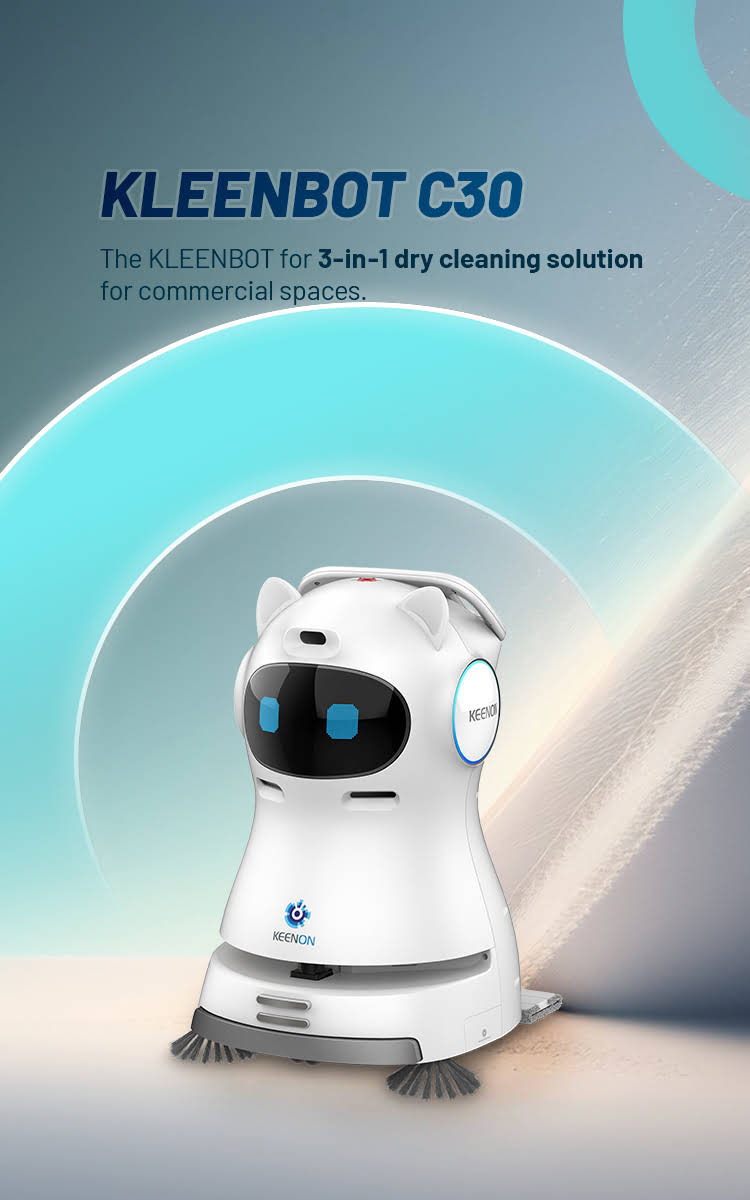


The extracted product record for Tactile Robotics currently returns zero formally listed products from the company's public site. However, the careers page surface contains a notable UI artifact: a panel labeled TactileX, displaying real-time telemetry strings ("AI SIGNAL · 98.7%" and "REMOTE NODE · ONLINE"). This strongly implies TactileX is a live or in-development platform — most likely a connected robotic or digital-health system with remote monitoring and AI-scoring capabilities — used internally or in early deployment.
The Software/Application Developer job description references "rehabilitation and robotic platforms" as the target environment for connected desktop, mobile, cloud, and emerging-technology applications, suggesting the product lineup spans at minimum one robotic hardware platform and an associated software/connectivity layer oriented toward rehabilitation use cases. The Electrical Technician role references "special digital-health and robotics projects," hinting at a broader pipeline beyond a single product. Not yet disclosed: formal product names beyond TactileX, specifications, pricing, regulatory status (e.g., Health Canada clearance), or customer-facing datasheets. Tactile Robotics is invited to submit product documentation for inclusion.
4. Technology Stack {#technology-stack}
The publicly available data offers several inferential windows into Tactile Robotics' technology architecture, though no formal technical documentation has been published.
Haptics and Sensing: The company name itself — "Tactile Robotics" — combined with its explicit listing of haptics as a core domain, indicates that tactile sensing or haptic feedback is a foundational technology layer. This is consistent with the broader field of rehabilitation robotics, where force feedback and touch sensing are clinically meaningful differentiators.
AI and Signal Processing: The TactileX UI readout ("AI SIGNAL · 98.7%") implies a machine-learning or signal-classification pipeline that produces a confidence score — a pattern common in biosignal processing, gesture recognition, or robotic control loops. Our read: this figure likely represents a real-time model inference result, possibly classifying a physiological or mechanical signal, though the specific modality (EMG, force, motion) is not publicly confirmed.
Connectivity and Remote Monitoring: The "REMOTE NODE · ONLINE" indicator suggests a networked architecture in which individual robotic or sensing nodes report status to a central platform. Our read: this points to a cloud-connected or IoT-style deployment model, consistent with digital health platforms that require remote clinician oversight or data aggregation.
Software Stack: The developer job description calls for expertise in "connected desktop, mobile, cloud, and emerging-technology applications," indicating a multi-surface software strategy rather than a single embedded system. This is consistent with a platform play targeting clinical workflows across multiple access points.
Limited public technical detail exists beyond these inferences. No patents, technical white papers, or hardware specifications are publicly linked. Tactile Robotics is invited to share technical documentation for more precise characterization.
5. Research, Papers, Authors, Labs {#research-papers}
Company-linked papers
An arxiv.org entry titled "Tactile Robotics: An Outlook" appears in the third-party press record associated with this company. However, it is not confirmed whether this paper is authored by Tactile Robotics personnel or is an independent academic survey of the tactile robotics field that happens to share nomenclature with the company. The paper is not attributed to named authors from the company in the available data, and no direct link to the company's own research output has been established.
Tactile Robotics describes itself as integrating "research" as a core competency alongside engineering, clinical knowledge, and commercialization. Our read: this framing suggests research activity is internal and likely applied rather than oriented toward academic publication — a common posture for deep-tech ventures in the medical device or rehabilitation space, where IP protection typically takes precedence over open publication. No peer-reviewed publications, named research leads, or affiliated laboratory partnerships are publicly disclosed at this time. Tactile Robotics is invited to identify any affiliated researchers, labs, or publications for attribution.
6. Media Evidence {#media-evidence}
Media library
Three third-party references are present in the current dataset. The most substantive is a Peachscore (peachscore.com) report dated 2 December 2024, which confirmed a CAD $360,000 investment and referenced strategic partnerships — this constitutes the primary piece of independent external validation available. An arxiv.org entry titled "Tactile Robotics: An Outlook" exists but its direct authorship connection to the company is unconfirmed (see Section 5). A reference from XELA Robotics (xelarobotics.com) appears under "News & Updates" but the nature of the connection — partnership, mention, or coincidental listing — is not detailed in the available data. No major technology press, trade publication, or clinical journal coverage is present in the current dataset beyond these three sources.
7. Commercial Reality {#commercial-reality}
Customers & deployments
Revenue: Not disclosed. Tactile Robotics has not published revenue figures, ARR, or any financial performance data in publicly available sources. The CAD $360,000 investment confirmed by Peachscore in December 2024 is the only financial figure in the public record, and represents funding received rather than revenue generated.
Customers and Deployments: Not disclosed. No named customers, clinical sites, pilot programs, or deployment counts appear in the company's public materials or in third-party coverage at this time.
ROI / Outcomes Data: Not disclosed. No published case studies, clinical outcome metrics, or efficiency benchmarks are publicly available.
Tactile Robotics is invited to submit customer references, deployment data, or outcomes evidence through the platform's data submission process. Doing so would materially strengthen the commercial section of this report.
8. Markets and Use Cases {#markets-use-cases}
The available data points clearly to rehabilitation and digital health as the primary target markets for Tactile Robotics. The Software/Application Developer role explicitly references "rehabilitation and robotic platforms" as the deployment environment, and the company's stated competency in "clinical knowledge" alongside engineering and research indicates that clinical stakeholders — therapists, clinicians, or health system administrators — are part of the intended user base.
Digital Health: The company lists digital health as a named domain, and the networked architecture implied by TactileX ("REMOTE NODE · ONLINE") is consistent with remote patient monitoring, telerehabilitation, or connected therapy device platforms — all high-growth segments within digital health globally.
Haptics in Rehabilitation: Haptic feedback and tactile sensing have documented applications in stroke rehabilitation, prosthetics training, surgical simulation, and physical therapy. The company's dual emphasis on haptics and clinical knowledge positions it squarely within this use-case cluster.
Research Technologies: The company also lists "research technologies" as a domain, suggesting a secondary market serving academic or clinical research institutions — potentially as a supplier of instrumented robotic or haptic platforms for human-factors or motor-control research.
AI-Assisted Robotics: The AI signal processing implied by TactileX suggests use cases where automated scoring or classification adds clinical or operational value — for example, assessing patient movement quality or detecting anomalies in robotic operation.
Not yet disclosed: specific named verticals, geographic focus (beyond Canada implied by the .ca domain), or health system partnerships. Tactile Robotics is invited to confirm or expand the market characterization above.
9. Competitive Landscape {#competitive-landscape}
Competitive comparison
| Robot | Maker | Autonomy | Conf. |
|---|---|---|---|
| iRobot Roomba Combo 10 Max | iRobot | Autonomous | 0.90 |
| Mobile ALOHA (Stanford) | Stanford University | Teleoperated | 0.90 |
| 1X NEO | 1X Technologies | Remote-Assisted | 0.90 |
Tactile Robotics operates in a category that intersects rehabilitation robotics, haptic technology, and digital health software — a space that has attracted both established medical device companies and well-funded robotics startups globally. The combination of hardware, AI signal processing, remote connectivity, and clinical orientation places it in a competitive cohort that spans robotic rehabilitation devices, smart prosthetics, and connected therapy platforms.
The reference to XELA Robotics in the third-party press record is notable: XELA Robotics is a known developer of tactile sensor technology, and its appearance in association with Tactile Robotics may indicate a partnership, supplier relationship, or competitive proximity — the nature of the connection is not confirmed in available data and should not be assumed. Our read: companies competing in the tactile-sensing and rehabilitation robotics space typically differentiate on sensor resolution, AI model accuracy, clinical validation depth, and integration with existing therapy workflows. The module below surfaces same-category peers identified through computed relations.
10. Country Advantage / Geopolitical {#geopolitical}
Tactile Robotics operates under a Canadian domain (.ca) and lists a Canadian contact address, placing it within Canada's publicly funded health and innovation ecosystem. Canada's federal and provincial governments have active programs supporting digital health commercialization, medical device development, and deep-tech scale-up — including through organizations such as NRC IRAP, SDTC, and provincial innovation funds — which represent a plausible (though unconfirmed) source of non-dilutive support alongside the disclosed CAD $360,000 investment.
Canada's universal healthcare system creates both an opportunity and a pathway complexity: national health system adoption can confer strong credibility but typically involves lengthy procurement cycles and Health Canada regulatory clearance for medical devices. Our read: for a company at Tactile Robotics' apparent stage, Canadian market access strategy and regulatory positioning will be material determinants of commercial velocity. No geopolitical risk factors specific to this company have been identified in the available data.
11. Hype vs Real vs Ugly {#hype-real-ugly}
Claim tracker
What is verifiable:
- CAD $360,000 investment confirmed by an independent third-party source (Peachscore, December 2024).
- Active hiring with structured role codes, indicating a functioning organization in scale-up.
- A live demo-booking flow, suggesting at least a demonstrable product or prototype exists.
- TactileX UI artifacts on the company's own careers page, indicating an in-development or deployed platform with AI and remote-connectivity features.
Company claims (as stated on their own site):
- The company claims to bring together "engineering, software, research, clinical knowledge, and commercialization" — a multidisciplinary positioning that cannot be independently verified from public data but is consistent with the hiring profile.
- The "AI SIGNAL · 98.7%" figure is a company-surfaced data point. Its meaning, methodology, and clinical relevance are not independently validated.
Gaps and honest uncertainties:
- No products are formally listed on the public site in extractable form; TactileX is inferred from UI context, not a published datasheet.
- No clinical outcomes data, regulatory clearances, or peer-reviewed validation is publicly available.
- The XELA Robotics and arxiv.org associations are present in the data but their nature and relevance to Tactile Robotics are unconfirmed.
- Our read: the company is in early-to-mid commercialization stage — past concept, not yet at scale. The investment and hiring activity are real signals; the absence of named customers and published specifications reflects typical deep-tech company opacity at this stage, not necessarily an absence of progress.
12. Future Scenarios {#future-scenarios}
Bull case — Our read: Tactile Robotics successfully translates TactileX and its haptic/AI platform into a Health Canada-cleared rehabilitation device, attracts clinical partners within Canada's health system, and leverages the "lab to life" narrative to access larger institutional or government funding rounds. Strategic partnerships (referenced but unnamed in the Peachscore report) convert into channel or distribution agreements, accelerating deployment. The multidisciplinary team composition becomes a durable competitive advantage in a field where clinical credibility and engineering capability are rarely combined under one roof.
Base case — Our read: The company continues to develop its platform over a 2–4 year horizon, achieves regulatory clarity for at least one product category, and establishes a small but reference-able set of clinical pilot customers in Canada. Funding remains at the seed-to-Series A range. Growth is real but measured, consistent with the pace of digital health adoption in publicly funded healthcare systems.
Bear case — Our read: Regulatory pathways prove longer and more costly than anticipated, strategic partnerships fail to convert into revenue-generating contracts, and the CAD $360,000 investment proves insufficient to reach a commercially deployable product without additional capital. The company's public profile remains thin, limiting its ability to attract larger investors or institutional customers. Not yet disclosed information — particularly around clinical validation and regulatory status — becomes a material liability in competitive procurement processes.
13. What to Watch {#what-to-watch}
- TactileX product announcement: Any formal product launch, datasheet publication, or regulatory submission for TactileX would be the single most material signal of commercial readiness.
- Health Canada or FDA regulatory filings: A cleared or approved device designation would substantially de-risk the commercial narrative.
- Named partnership disclosure: The Peachscore report references strategic partnerships; named partners, once disclosed, would clarify the company's go-to-market strategy and competitive positioning.
- Follow-on funding: A Series A or significant grant award (NRC IRAP, SDTC, or provincial equivalent) would signal investor confidence and extend the company's runway.
- Clinical publication or outcomes data: Any peer-reviewed or conference publication credibly linking Tactile Robotics personnel to clinical results would validate the research-to-commercialization claim.
- Headcount growth: Expansion of the careers page beyond the three current roles, particularly in sales, clinical affairs, or regulatory, would indicate progression along the commercialization curve.
- XELA Robotics relationship: Clarification of whether the XELA Robotics reference represents a supplier relationship, partnership, or independent association would sharpen the competitive and technology picture.
14. Sources & Methodology {#sources-methodology}
Primary data source: Content extracted from the Tactile Robotics company website (tactilerobotics.ca), including the About/Careers page. All statements drawn from this source are labeled as company-claim and reflect the company's own representations, not independently verified facts.
Third-party press sources (independent validation):
- Peachscore (peachscore.com), 2 December 2024 — investment and partnership confirmation.
- arxiv.org — "Tactile Robotics: An Outlook" — authorship connection to the company unconfirmed.
- XELA Robotics (xelarobotics.com) — nature of association unconfirmed.
Computed relations: Competitive peer mapping, market categorization, and technology inferences are generated through platform algorithms applied to the above source data. These are labeled "Our read:" where analytical judgment is applied.
Standard rubric (applied to every company on this platform):
- All factual claims are grounded only in the above data or labeled as inferences.
- Gaps are presented as "Not yet disclosed" with an invitation to correct, never as unsourced negatives.
- Company-sourced statements are labeled as company-claims.
- No financial, customer, or product data is asserted without a traceable source.
- This report will be updated as new verified information becomes available. Companies may submit corrections or additional data through the platform's official data submission process.
No products yet.
Technology stackOur read
ResearchComputed
Product comparisonComputed
Company announcement
News and Media
The company's official social & video channels · external links
News
From third-party news outlets (China & abroad) · external links