PDT Robotic
SnapshotCompany claim
PDT Robotic offers robots such as BellaBot, HolaBot, KettyBot, LuckiBot, MiniBot, and PuduBot. The site includes pages for support, warranty, contact, privacy policy, and business types.
- Founded
- Not disclosed
- HQ
- Not disclosed
- Models
- 1
- Categories
- 1
ContactCompany claim
- Not disclosed
- Address
- 2845 Clearview Parkway, Doraville, GA, 30340, USA
Product families
Is this your company? Claim this profile to add verified data, respond to our analysis, and upgrade claims to Verified.
Claim this profile1. Executive Overview {#executive-overview}
PDT Robotic (pdtrobotics.com) is a robotics distributor and solutions provider operating in the service-robotics space, with a portfolio centered on autonomous indoor delivery and hospitality robots. The company's publicly identified product lineup includes the BellaBot, HolaBot, KettyBot, LuckiBot, MiniBot, and PuduBot — a range of models that collectively address front-of-house and back-of-house automation needs across hospitality and food-service environments. A third-party listing on zbspos.com positions PDT Robotic specifically within automated restaurant robotics, indicating a commercial focus on the food-service vertical.
The company operates an e-commerce-enabled website built on the Wix platform and maintains structured pages for support, warranty, contact, and privacy policy — signals of an organized, customer-facing commercial operation rather than a purely R&D-stage venture. Founding date and country of incorporation are not yet publicly disclosed on the site; these details represent fixable gaps that the company is invited to claim or correct in this profile.
Not yet disclosed: precise scale of deployment, named customers, or revenue figures. The combination of a named robot lineup and third-party trade-press mentions suggests an active commercial operation, but independent financial or operational metrics are not available in the current data set.
Latest news
- KEENON Humanoid Pours Drinks at GCS 2026, 100,000 Others Run HotelsYanko Design·2026-06-15GENERAL
2. The Company Story {#the-company-story}
PDT Robotic's public-facing identity is organized around a curated portfolio of named service robots, suggesting the company functions as a regional distributor, systems integrator, or value-added reseller for autonomous hospitality robots rather than an original hardware manufacturer. The robot names in its lineup — BellaBot, HolaBot, KettyBot, LuckiBot, MiniBot, and PuduBot — are product lines associated with the broader service-robotics market for indoor delivery and customer interaction, deployed widely in restaurants, hotels, and retail environments globally.
The company's website infrastructure (Wix-hosted, with member account management, wallet, subscriptions, and address management features) indicates a transactional business model: customers can purchase or manage robot-related products and services directly through the platform. The presence of warranty and support pages further reinforces a post-sale service commitment, which is a meaningful differentiator in hardware-centric businesses where ongoing maintenance drives customer retention.
Founding year and headquarter country are not yet disclosed in available public data. Not yet disclosed: any formal founding narrative, named executives, or milestone timeline. PDT Robotic is invited to submit or correct these details for inclusion. What the available evidence does establish is a commercially operational entity with a defined product focus, trade-press visibility, and the operational infrastructure to support business customers in the restaurant and broader hospitality automation sector.
3. Product Portfolio {#product-portfolio}
Products & versions
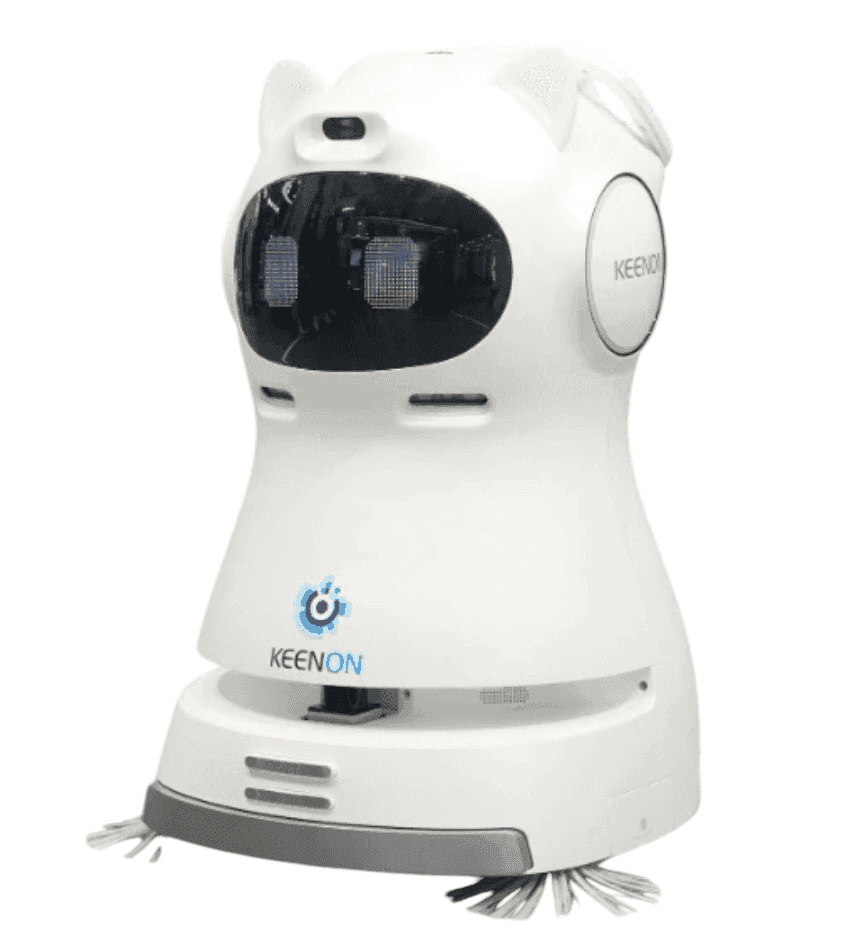
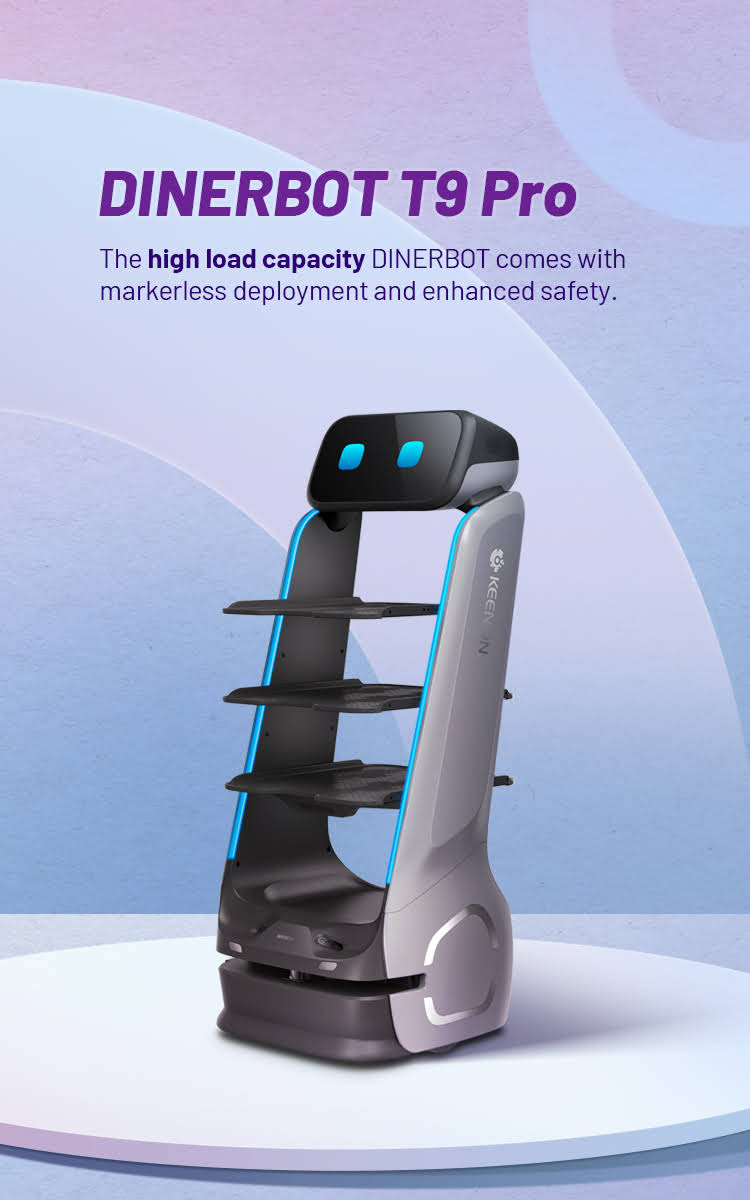
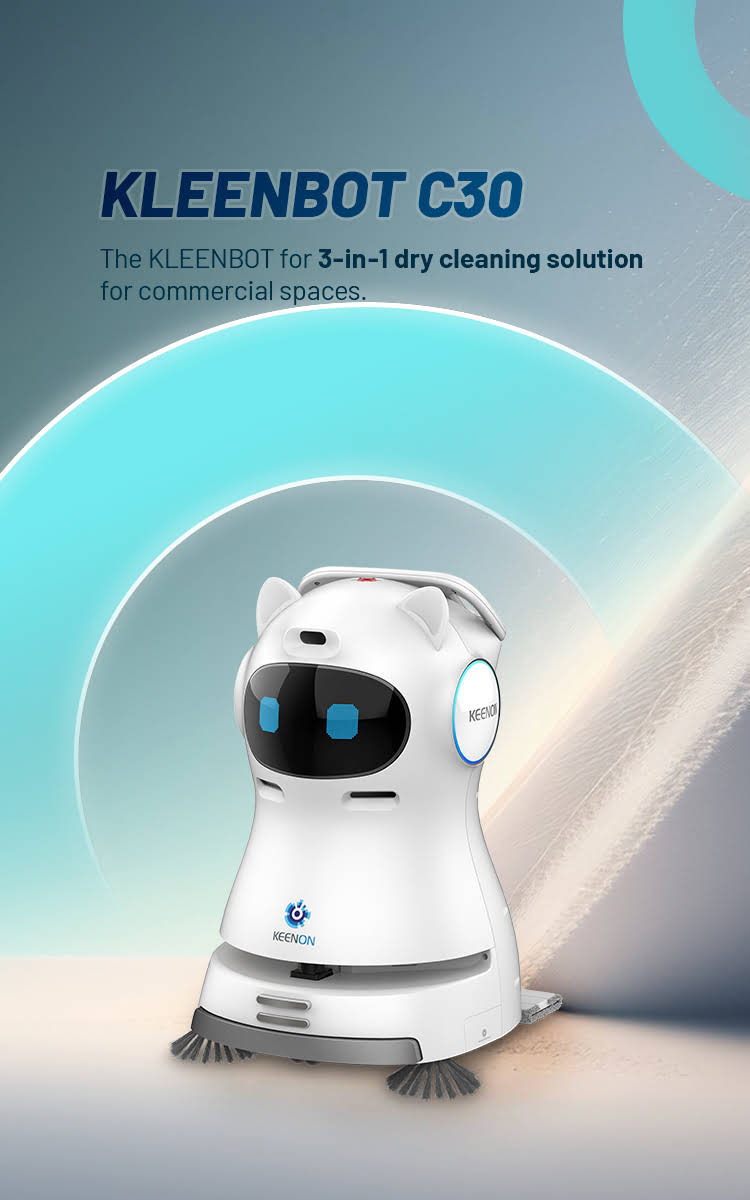


PDT Robotic's publicly identified lineup comprises six named robot models — BellaBot, HolaBot, KettyBot, LuckiBot, MiniBot, and PuduBot — spanning what appears to be a tiered range within the autonomous indoor service-robot category. This grouping is consistent with a portfolio designed to address multiple price points, form factors, and use cases within hospitality automation: some models are typically associated with food and beverage delivery between kitchen and table, others with front-of-house customer greeting and interaction, and smaller form factors (such as a "MiniBot") suggest applications in tighter or more cost-sensitive environments.
The portfolio's shape — multiple named SKUs with distinct identities rather than a single platform — suggests PDT Robotic can serve customers with differentiated needs, from high-traffic full-service restaurants requiring robust multi-shelf delivery robots to smaller venues or retail settings that may favor compact, lower-footprint units. The zbspos.com listing framing the company under "Automated Restaurant Robotics" reinforces that food-service deployment is a primary commercial focus, even if the broader lineup has applicability in hotels, healthcare facilities, and retail. Detailed per-model specifications (payload, navigation technology, battery life, dimensions) are not yet disclosed in publicly available data and represent a fixable gap — PDT Robotic is invited to publish or correct these specifications.
4. Technology Stack {#technology-stack}
Detailed technical specifications for PDT Robotic's robot lineup are not publicly documented in the available data. What can be reasonably inferred from the product names and the service-robotics category they inhabit is outlined below, with all inferences clearly labeled.
Our read: Service robots of the BellaBot/HolaBot/KettyBot/PuduBot class — as a category — typically rely on LiDAR-based simultaneous localization and mapping (SLAM) for indoor navigation, ultrasonic and infrared sensors for obstacle avoidance, and multi-shelf tray designs for food and beverage transport. If PDT Robotic's units follow this category norm, the underlying navigation stack would support autonomous point-to-point routing within mapped indoor environments without requiring physical track infrastructure.
Our read: The presence of a MiniBot in the lineup suggests at least one model optimized for smaller footprints or lower-complexity deployments, which in the broader market often corresponds to a simplified sensor suite and reduced payload capacity compared to flagship delivery models.
The company's website infrastructure includes e-commerce, member management, and subscription features, which Our read: may indicate a software or service layer — possibly fleet management, remote monitoring, or maintenance subscription offerings — layered on top of hardware sales. This is a common and commercially important pattern in service robotics, where recurring revenue from software and support meaningfully complements one-time hardware margin.
Not yet disclosed: any proprietary software platform names, AI or machine-learning capabilities, cloud connectivity architecture, or specific sensor/component sourcing. PDT Robotic is invited to provide technical documentation for inclusion in this profile.
5. Research, Papers, Authors, Labs {#research-papers}
Company-linked papers
PDT Robotic does not appear to be a research-publishing organization. This is consistent with its profile as a commercial distributor and solutions provider in service robotics rather than an academic or deep-technology R&D entity. The appearance of the Contextual Robotics Institute at UC San Diego (contextualrobotics.ucsd.edu) in associated press data reflects the broader robotics research ecosystem in which PDT Robotic operates commercially, but no direct research collaboration or co-authorship between PDT Robotic and any academic institution is evidenced in the available data.
6. Media Evidence {#media-evidence}
Media library
PDT Robotic has received mention across three identified external sources: the Silicon Valley Business Journal (bizjournals.com), positioning the company within Silicon Valley's robotics business news landscape; zbspos.com, which lists PDT Robotic under "Automated Restaurant Robotics," providing third-party commercial categorization; and the Contextual Robotics Institute at UC San Diego (contextualrobotics.ucsd.edu), which reflects proximity to or association with the broader West Coast robotics ecosystem. These references collectively constitute modest but meaningful independent validation of the company's commercial activity and geographic positioning.
7. Commercial Reality {#commercial-reality}
Customers & deployments
Revenue, customer count, and deployment scale are not disclosed in any available public source. These figures are rendered here as Not disclosed. PDT Robotic is invited to submit verified customer counts, named deployments, or audited revenue figures for inclusion, which would materially strengthen this profile's commercial assessment.
What is independently corroborated is the company's presence in the restaurant robotics market (zbspos.com) and its visibility in Silicon Valley business media (bizjournals.com), both of which are consistent with an active commercial operation. The website's transactional infrastructure — including account management, order/subscription capabilities, and warranty support pages — further supports the inference of live customer relationships. Our read: a company maintaining warranty and support infrastructure at this level of website organization is serving paying customers, even if the precise scale remains undisclosed.
Return on investment claims and customer testimonials: not yet disclosed in available data. PDT Robotic is invited to submit case studies or ROI metrics for independent review.
8. Markets and Use Cases {#markets-use-cases}
The clearest and best-evidenced primary market for PDT Robotic is food-service and restaurant automation. The zbspos.com listing explicitly categorizes the company under "Automated Restaurant Robotics," and the robot portfolio — featuring delivery-oriented models like BellaBot, HolaBot, and PuduBot alongside interaction-oriented models like KettyBot — is well-matched to this vertical. Typical use cases in this segment include autonomous food-and-beverage delivery from kitchen pass-through to dining tables, bussing support, and customer greeting at restaurant entrances.
Beyond food service, the named robot models in PDT Robotic's lineup have broad applicability across adjacent hospitality and service environments. Hospitality (hotels and resorts) represent a natural extension, where delivery robots handle in-room amenity delivery, lobby navigation, and concierge-assist functions. Retail environments, particularly those requiring guided customer interaction or in-store logistics, are a secondary addressable market consistent with the KettyBot-class form factor.
Healthcare and senior care facilities are a further adjacent opportunity — indoor delivery robots are increasingly deployed in these environments for medication and supply transport — though no specific deployment evidence in this vertical is available in the current data set for PDT Robotic specifically.
The Silicon Valley Business Journal mention suggests the company is operating in or targeting the U.S. market, with a particular geographic footprint in or around Northern California, though national and broader North American distribution cannot be ruled out based on available evidence.
9. Competitive Landscape {#competitive-landscape}
Competitive comparison
| Robot | Maker | Autonomy | Conf. |
|---|---|---|---|
| iRobot Roomba Combo 10 Max | iRobot | Autonomous | 0.90 |
| Mobile ALOHA (Stanford) | Stanford University | Teleoperated | 0.90 |
| 1X NEO | 1X Technologies | Remote-Assisted | 0.90 |
PDT Robotic operates in the service-robotics segment for indoor autonomous delivery and hospitality automation — a category that has attracted significant commercial activity from both established robotics companies and newer entrants, particularly in the food-service vertical. The competitive dynamic in this space is shaped by hardware differentiation (navigation reliability, payload, form factor), software ecosystem maturity (fleet management, integration with point-of-sale and property management systems), and the quality of post-sale support and warranty coverage.
PDT Robotic's multi-model portfolio and explicit restaurant-robotics positioning indicate it is competing in a well-defined and increasingly active market segment. Competitive positioning will depend heavily on factors not yet publicly disclosed — including pricing, geographic exclusivity of distribution, and depth of integration partnerships with restaurant and hospitality operators. The module above identifies category peers for further comparison.
10. Country Advantage / Geopolitical {#geopolitical}
Section not material for this company.
11. Hype vs Real vs Ugly {#hype-real-ugly}
Claim tracker
What is verifiable: PDT Robotic operates a commercially structured website with a named, multi-model robot portfolio (BellaBot, HolaBot, KettyBot, LuckiBot, MiniBot, PuduBot — company-claim, sourced from their site). Third-party sources independently corroborate its presence in restaurant robotics (zbspos.com) and Silicon Valley business media (bizjournals.com). These are the anchored facts in this profile.
Company claims (unverified): The product lineup as presented on the company's site is a company-claim and has not been independently audited for specifications, availability, or pricing. No performance data, uptime metrics, or deployment scale figures are available for independent assessment.
Fixable gaps: Founding date, country of incorporation, named leadership, customer references, deployment counts, and technical specifications are all not yet disclosed. These omissions limit the depth of independent analysis possible at this time and represent straightforward disclosures the company could make to materially improve its market credibility. PDT Robotic is invited to correct or supplement any of these gaps.
Our read: The operational infrastructure visible on the site (e-commerce, warranty, support, subscription management) is inconsistent with a dormant or pre-revenue entity. The most measured interpretation of available evidence is that PDT Robotic is a functioning commercial operation of undetermined scale, not a vaporware or concept-stage project.
12. Future Scenarios {#future-scenarios}
Bull case — Our read: PDT Robotic establishes itself as a preferred distributor and integrator of service robots for the U.S. restaurant and hospitality market, capitalizing on the sector's growing labor-cost pressure and openness to automation. A multi-model portfolio allows upsell and cross-sell within existing accounts. If the company develops proprietary fleet management software or deepens POS/PMS integration capabilities, recurring software revenue could meaningfully augment hardware margin. Silicon Valley media visibility could attract strategic partnerships or investor interest.
Base case — Our read: PDT Robotic continues as a focused distributor in the restaurant-robotics niche, growing steadily with the overall service-robotics market. The company maintains its portfolio, expands geographic coverage within North America, and competes on support quality and pricing. Growth tracks the broader adoption curve of hospitality automation without breakout acceleration or contraction.
Bear case — Our read: If PDT Robotic lacks proprietary technology or exclusive distribution agreements, margin compression from better-capitalized competitors or direct manufacturer sales could erode its commercial position. Without disclosed differentiation — proprietary software, deep integration partnerships, or exclusive territories — the company faces substitution risk. The absence of published customer evidence or case studies may also slow enterprise sales cycles in a market where proof-of-deployment increasingly matters to buyers.
13. What to Watch {#what-to-watch}
- Product specification disclosure: Publication of per-model specs (payload, navigation type, battery life, dimensions) would signal maturation of the company's go-to-market posture and enable direct competitive comparison.
- Customer and deployment announcements: Named restaurant group or hospitality chain deployments would validate commercial traction and accelerate buyer confidence.
- Software and fleet management capabilities: Any announcement of a proprietary platform, POS integration, or fleet dashboard would significantly shift the competitive and valuation narrative.
- Geographic expansion signals: New regional offices, distribution partnerships, or event presence outside Silicon Valley would indicate scaling ambition.
- Leadership and team disclosures: Named executives or technical leadership appearing in press or LinkedIn would improve stakeholder confidence and analyst coverage quality.
- Funding or partnership announcements: Any disclosed investment round or strategic partnership with a restaurant group, hotel chain, or technology platform would be a material development.
- Media volume: Increased coverage in trade outlets (restaurant technology, hospitality trade press) beyond current mentions would signal growing market relevance.
14. Sources & Methodology {#sources-methodology}
Data sources used in this report:
-
PDT Robotic company website (pdtrobotics.com) — All product names, site structure descriptions, and operational feature references are sourced from the company's own public web presence and are labeled throughout as company-claim. They represent the company's own assertions and have not been independently audited.
-
zbspos.com — Third-party commercial listing categorizing PDT Robotic under "Automated Restaurant Robotics." Treated as independent external validation of commercial category positioning.
-
bizjournals.com (Silicon Valley Business Journal) — Third-party press reference confirming the company's presence in Silicon Valley robotics business coverage. Treated as independent media validation.
-
contextualrobotics.ucsd.edu (Contextual Robotics Institute, UC San Diego) — Referenced as an associated press data point reflecting the broader robotics ecosystem context. No direct PDT Robotic research collaboration is evidenced.
Methodology rubric (applied uniformly to every company profiled):
- Factual claims are grounded only in the above data sources. No specifications, competitors, customers, revenue figures, or partnerships have been invented or inferred beyond what the data supports.
- All inferences are labeled "Our read:" and are distinguished from verified facts.
- All company-originated statements are labeled "company-claim" and treated as unaudited assertions.
- Gaps in public disclosure are presented as "Not yet disclosed" with an explicit invitation to the company to correct or supplement.
- Negative assessments are either fixable gaps or labeled inferences — never unsourced negative statements of fact.
- Sections where live data modules are embedded contain intentionally brief prose; the modules carry the dynamic data layer.

Technology stackOur read
Inferred from product specs — click through to the technology wiki:
ResearchComputed
Product comparisonComputed
Company announcement
News and Media
The company's official social & video channels · external links
News
From third-party news outlets (China & abroad) · external links