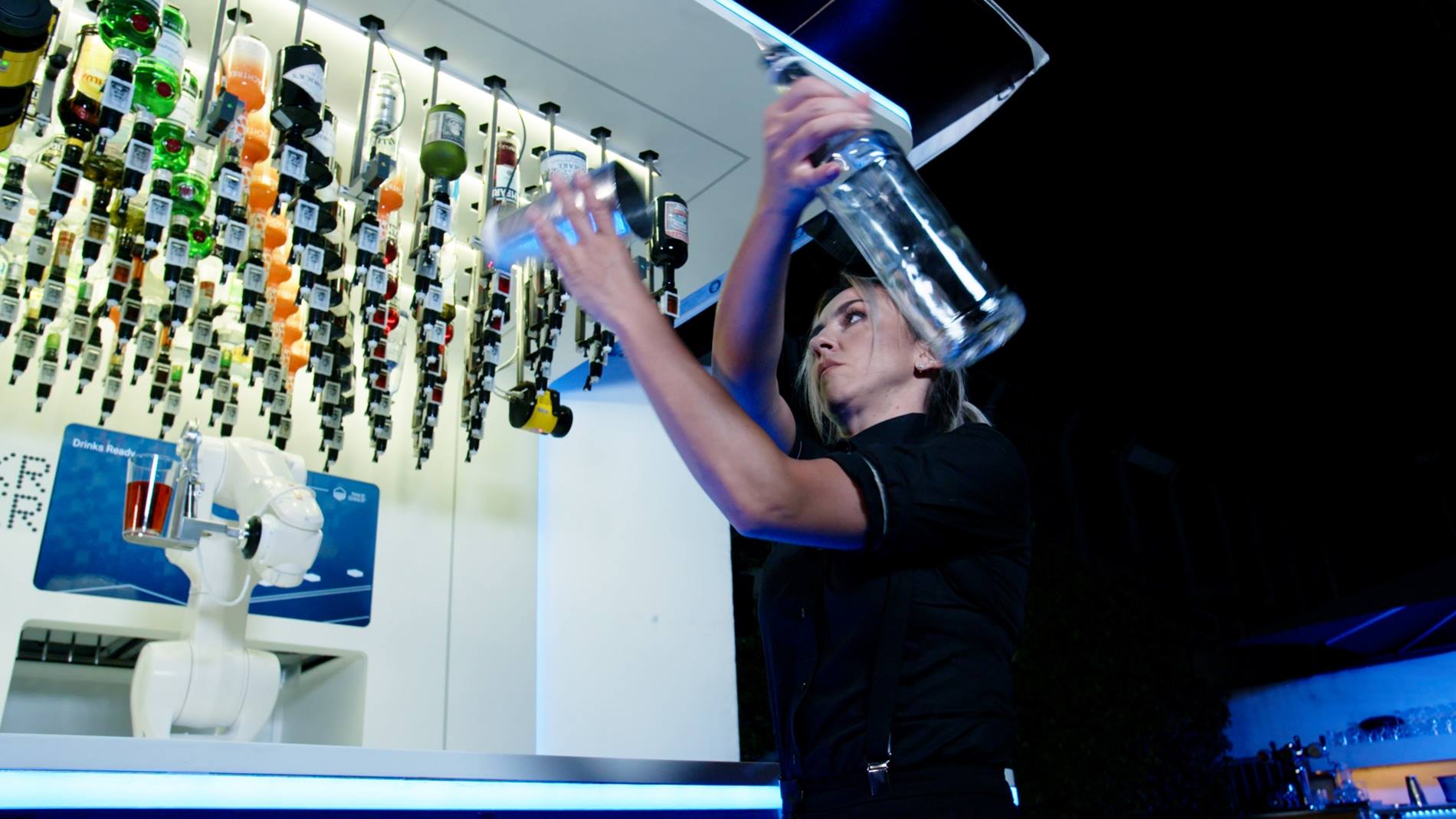
Makr Shakr
SnapshotCompany claim
Team of engineers, designers and technology enthusiasts revolutionizing human-robot interaction. Building the future of robotic bartending with a diverse, inclusive, and interactive working environment.
- Founded
- Not disclosed
- HQ
- Not disclosed
- Models
- 2
- Categories
- 1
Product families
Is this your company? Claim this profile to add verified data, respond to our analysis, and upgrade claims to Verified.
Claim this profile1. Executive Overview {#executive-overview}
Makr Shakr is a robotics company positioned at the intersection of hospitality and human-robot interaction, with a specific focus on robotic bartending systems. The company describes itself as a team of engineers, designers, and technology enthusiasts, and has attracted meaningful third-party attention: coverage in Boston Magazine as early as 2013 places Makr Shakr among the earlier entrants in service robotics applied to food and beverage, and a documented partnership or feature with KUKA Germany in 2021 signals engagement with one of the world's leading industrial robotics manufacturers. The firm also carries an association with Carlo Ratti Associati, the internationally recognized design and innovation practice, suggesting roots in high-profile design-technology collaboration.
Makr Shakr operates under the legal entity Makr Shakr S.r.l., indicating Italian incorporation. Its domain and branding are consistent with a company that has been active for over a decade, making it a relative veteran in the consumer-facing service robotics space. The company's public positioning emphasizes human-robot interaction as its core thesis, with robotic bartending as the primary commercial expression of that thesis.
Not yet disclosed: founding year, headquarters city, headcount, and revenue figures. Makr Shakr is invited to claim or correct any of these data points through this profile.
Latest news
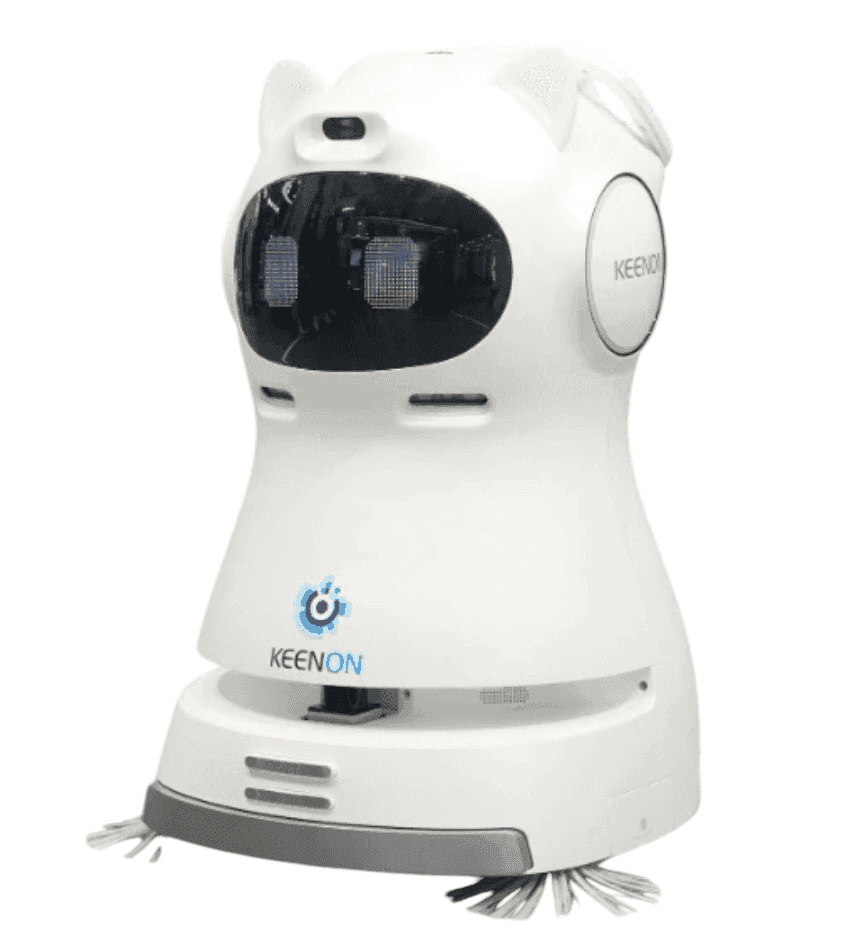
- KEENON Humanoid Pours Drinks at GCS 2026, 100,000 Others Run HotelsYanko Design·2026-06-15GENERAL
2. The Company Story {#the-company-story}
Makr Shakr's earliest traceable public moment is a Boston Magazine feature from May 2013, which described a "three-armed robot that can shake it like a bartender." This places the company's public debut — or at least a significant early prototype showcase — over a decade ago, during a period when service robotics in hospitality was genuinely novel and largely conceptual. The three-armed form factor described in that 2013 coverage suggests a purpose-built mechanical architecture designed specifically for bartending motions, rather than an off-the-shelf industrial arm repurposed for the task.
The association with Carlo Ratti Associati is notable for context. Carlo Ratti is an MIT-affiliated architect and designer known for technology-forward installation and urban design projects; collaboration with or origin within that ecosystem would be consistent with Makr Shakr's positioning as a design-conscious, human-interaction-first robotics company rather than a pure industrial automation play.
By December 2021, KUKA Germany — a Tier 1 industrial robotics manufacturer — featured Makr Shakr in a "bartender vs. robot cocktail duel" piece on kuka.com, indicating that Makr Shakr's systems were either integrated with or benchmarked against KUKA hardware at that stage. This type of co-coverage with an industrial robotics major is a meaningful third-party signal of technical credibility.
The company's career page describes a dedicated HR team, a diversity and inclusion mandate, and an "interactive working atmosphere," language consistent with a company that has grown beyond a founding-team startup phase into a more structured organization. The legal suffix S.r.l. (Società a responsabilità limitata) confirms Italian legal domicile.
Not yet disclosed: specific founding date, named founders, funding history, and the precise nature of the Carlo Ratti Associati relationship (whether Makr Shakr originated from that practice or was a client/collaborator). Makr Shakr is invited to clarify.
3. Product Portfolio {#product-portfolio}
Products & versions
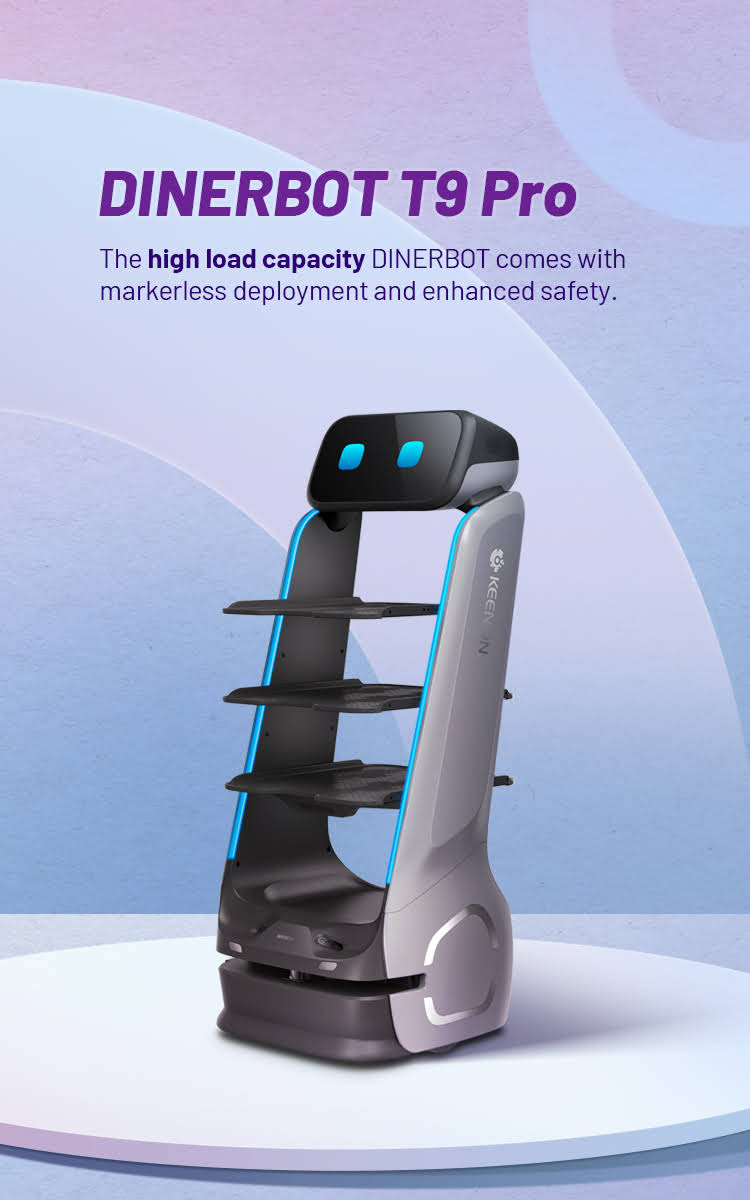
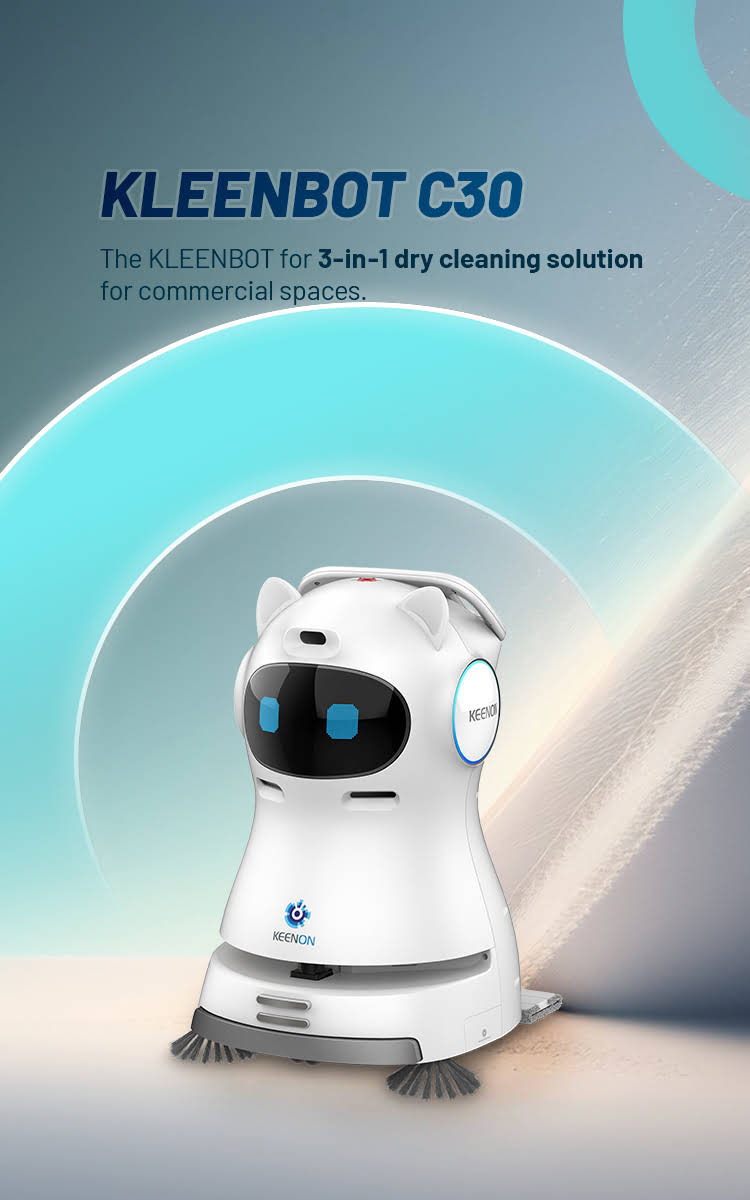


The product data extracted from Makr Shakr's site identifies two high-level commercial tracks labeled b2b and b2c, reflecting a deliberate segmentation between enterprise/venue deployments and direct or end-consumer-facing offerings. This two-track structure is strategically coherent for a robotic bartending company: the b2b channel would logically address hotels, cruise lines, airports, stadiums, and hospitality venues seeking automated bar service at scale, while the b2c channel suggests Makr Shakr has explored or is pursuing some form of in-home, personal, or direct-to-consumer robotic bartending product.
It is worth noting that the 2013 Boston Magazine coverage and the KUKA Germany feature both focus on large-format, multi-armed robotic bar installations — the kind of hardware more naturally associated with commercial venue deployment (b2b) than home use. The specific model names, technical configurations, throughput specifications, and pricing for either track are not publicly detailed in the data available for this report. Not yet disclosed: full product specifications, model names within each track, unit pricing, and deployment minimums. Makr Shakr is invited to claim or expand this section with verified product detail.
4. Technology Stack {#technology-stack}
The most concrete public technical signal available for Makr Shakr is the 2013 Boston Magazine description of a "three-armed robot," which implies a custom or semi-custom multi-axis robotic arm architecture purpose-engineered for bartending motions — gripping, shaking, pouring, and dispensing. This is a non-trivial mechanical design challenge, as cocktail preparation involves variable vessel weights, liquid dynamics, and sequential task chaining that standard pick-and-place industrial arms are not optimized for.
Our read: The KUKA Germany co-feature in 2021 most plausibly indicates one of two things — either Makr Shakr's commercial systems use or have used KUKA arm hardware as an underlying platform, or KUKA featured Makr Shakr as an independent third-party benchmark of what robotic bartending looks like in practice. Either interpretation is consistent with a company that has moved from bespoke prototype hardware toward integration with industrial-grade motion systems over its operational decade.
Our read: The company's self-description as a team of "engineers, designers and technology enthusiasts" working on "human-robot interaction" suggests that software — specifically the interface layer between human drink orders and robotic execution — is treated as a core competency alongside mechanical hardware. A robotic bartending system at commercial scale requires order management, recipe execution logic, drink customization handling, and potentially app or kiosk integration; these are software problems as much as hardware problems.
Limited public technical detail is available for the sensing, computer vision, safety, or connectivity stack. Not yet disclosed: software architecture, app or POS integration approach, safety certification status, and whether the system uses proprietary or third-party robotic arms. Makr Shakr is invited to claim or correct.
5. Research, Papers, Authors, Labs {#research-papers}
Company-linked papers
Makr Shakr does not appear to be a research-publishing company in the academic sense. This is consistent with its profile as a commercial service-robotics and hospitality-technology firm; the overwhelming majority of companies in this category direct their engineering output into products and deployments rather than peer-reviewed publication. No papers, named research labs, or affiliated academic authors are surfaced in the data available for this report.
6. Media Evidence {#media-evidence}
Media library
Three independent third-party sources are on record: Boston Magazine (May 2013) covering the early three-armed bartending robot; Carlo Ratti Associati's website referencing Makr Shakr; and KUKA Germany's site (December 2021) featuring a bartender-versus-robot cocktail duel involving Makr Shakr. These represent coverage spanning at least eight years and include both design-culture and industrial-robotics media contexts, which is a reasonably diverse validation footprint for a niche service robotics company.
7. Commercial Reality {#commercial-reality}
Customers & deployments
Revenue, customer count, and deployment scale are not disclosed in any data source available for this report. These figures should be rendered as Not disclosed. Makr Shakr is warmly invited to claim, submit, or correct commercial data — including named venue deployments, units in operation, throughput figures, and any independently verifiable ROI or uptime metrics — through this profile.
What can be inferred structurally: a company active since at least 2013, incorporated as an S.r.l. with a dedicated HR function and a two-track b2b/b2c commercial structure, has almost certainly executed paid deployments. The KUKA Germany feature and the Carlo Ratti Associati association both suggest real-world installations rather than perpetual prototype status. Our read: Makr Shakr is a commercially active company with live deployments, but the absence of publicly disclosed customer names or case studies limits independent verification of scale or commercial traction.
8. Markets and Use Cases {#markets-use-cases}
Based on the available product descriptions, press coverage, and company positioning, Makr Shakr's primary addressable markets and use cases can be mapped as follows:
Hospitality and Entertainment Venues (B2B): The multi-armed robotic bar installation described in Boston Magazine and featured by KUKA Germany is most naturally suited to high-traffic venues where consistent, automated cocktail production at volume is operationally valuable. Hotels, resorts, cruise ships, airports, convention centers, and stadiums are the canonical deployment environments for this category of robotic bar system. These environments benefit from reduced labor dependency, consistent drink quality, and the novelty/marketing value of a robotic bartender as a guest experience differentiator.
Events and Experiential Marketing: The Carlo Ratti Associati association and the company's design-forward identity suggest a track record in high-profile installation and experiential contexts — product launches, trade shows, brand activations, and technology showcases — where the robotic bartender serves as both a functional service point and a spectacle.
Direct or Consumer-Facing Applications (B2C): The existence of a b2c commercial track implies Makr Shakr has either developed or is developing a smaller-format or differently packaged product suitable for direct consumer engagement, though the specific form factor and channel are not yet publicly detailed.
Human-Robot Interaction Research and Demonstration: Given the company's stated mission of "revolutionizing human-robot interaction," Makr Shakr's systems also occupy a demonstrator role — illustrating how robots and humans can share a service environment fluidly — which has value in academic, governmental, and innovation-ecosystem contexts beyond pure commercial hospitality.
9. Competitive Landscape {#competitive-landscape}
Competitive comparison
| Robot | Maker | Autonomy | Conf. |
|---|---|---|---|
| iRobot Roomba Combo 10 Max | iRobot | Autonomous | 0.90 |
| Mobile ALOHA (Stanford) | Stanford University | Teleoperated | 0.90 |
| 1X NEO | 1X Technologies | Remote-Assisted | 0.90 |
Robotic bartending sits within the broader service-robotics and food-and-beverage automation market, a category that has grown considerably since Makr Shakr's early 2013 appearance. Companies in adjacent and overlapping spaces include both dedicated cocktail-robot startups and larger automation players that have extended into food service. The competitive dynamics of this category are shaped by venue economics (labor cost sensitivity, footprint constraints, throughput requirements), consumer novelty fatigue cycles, and the technical complexity of handling liquids, glassware, and variable recipes reliably at commercial scale.
Makr Shakr's decade-plus operational history and its association with recognized names in industrial robotics and design give it a positioning advantage as a category pioneer, though longevity alone does not guarantee market leadership. The module below reflects currently computed peer relationships; Makr Shakr is invited to contest any categorization it considers inaccurate.
10. Country Advantage / Geopolitical {#geopolitical}
Section not material for this company.
11. Hype vs Real vs Ugly {#hype-real-ugly}
Claim tracker
Real (independently supported):
- Makr Shakr has been publicly covered by Boston Magazine since at least May 2013, confirming over a decade of public presence in the robotic bartending space.
- KUKA Germany featured the company in a December 2021 piece, providing third-party industrial-robotics-sector validation.
- Carlo Ratti Associati references Makr Shakr, indicating a documented relationship with a recognized international design-technology practice.
- The company operates as a legal Italian entity (Makr Shakr S.r.l.) with described HR infrastructure, consistent with an ongoing commercial operation.
Company Claims (unverified, taken from Makr Shakr's own site):
- The company claims to be "revolutionizing human-robot interaction" — this is an aspirational positioning statement, not a measurable or independently verified claim.
- The company claims a "diverse and inclusive environment" and a "fun and interactive working atmosphere" — standard employer-brand language, neither verifiable nor disputable from external data.
- The b2b and b2c product tracks are identified on the company's site but carry no supporting specifications, deployment counts, or customer references in the available data.
Gaps (fixable, not failures):
- Not yet disclosed: specific deployment locations, customer names, units shipped, uptime or throughput data, funding raised, or any third-party audit of claims. Makr Shakr is invited to claim or correct any of these through this profile.
12. Future Scenarios {#future-scenarios}
Bull Case — Our read: Makr Shakr leverages its decade-plus category-pioneer status and industrial-robotics relationships (evidenced by the KUKA association) to capture a disproportionate share of the growing venue-automation market as labor costs in hospitality continue to rise globally. Its two-track b2b/b2c structure, if executed, allows it to participate in both large-format commercial deployments and emerging consumer channels. Design credibility from the Carlo Ratti Associati connection supports premium positioning and high-profile venue wins.
Base Case — Our read: Makr Shakr continues as a specialist operator in the robotic bartending niche, sustaining a portfolio of b2b venue deployments — hotels, cruise lines, event spaces — with steady but not explosive growth. The b2c track remains a secondary or experimental revenue line. The company maintains its profile as a technically credible, design-forward player without necessarily achieving category-defining scale.
Bear Case — Our read: The robotic bartending category remains a novelty segment with limited repeat-deployment economics — venues install a robotic bar for its spectacle value but cycle it out when novelty fades. If Makr Shakr has not diversified its use-case base or locked in long-term service contracts, revenue could be lumpy and scaling difficult. The absence of any disclosed funding, customer, or revenue data makes it impossible to rule out a scenario where the company is operating at subscale. This risk is addressable through greater commercial transparency.
13. What to Watch {#what-to-watch}
- Product specification disclosure: Publication of named models, throughput figures, and deployment minimums for the b2b and b2c tracks would significantly clarify Makr Shakr's commercial readiness and market fit.
- Customer and deployment announcements: Named venue partners — hotels, cruise lines, stadiums — would validate commercial scale and provide independent reference points.
- KUKA relationship depth: Whether the 2021 KUKA Germany feature reflects a formal OEM or integration partnership, or was an editorial showcase, has meaningful implications for Makr Shakr's hardware supply chain and distribution reach.
- Carlo Ratti Associati relationship status: Understanding whether this is an ongoing design partnership, an origin story, or a historical collaboration would clarify the company's innovation pipeline and design resources.
- B2C product definition: Any public detail on the consumer-facing product track — form factor, price point, channel — would open a significant new analytical dimension.
- Funding or ownership events: Any disclosed investment round, acquisition approach, or ownership change would be a primary signal of trajectory.
- Hiring patterns: Open positions on the careers page (currently listed as none) are a leading indicator of growth phases; monitoring for engineering, sales, or regional roles would provide early signal.
14. Sources & Methodology {#sources-methodology}
Sources used in this report:
| Source | Type | Notes |
|---|---|---|
| makrshakr.com (About, Careers, product pages) | Company-claim | Primary source; all content treated as company assertion, not independently verified fact |
| Boston Magazine, May 2013 | Independent press | Third-party editorial coverage; outlet named, date recorded |
| kuka.com, December 2021 | Independent press / industrial-sector source | Third-party feature by a major robotics manufacturer; outlet named, date recorded |
| carlorattiassociati.com | Independent / practitioner reference | Third-party design practice site referencing Makr Shakr; no date recorded in available data |
Methodology rubric (applied uniformly to every company report in this series):
- All factual claims are grounded exclusively in the data provided — no external databases, no invented specifications, no hallucinated competitors or customers.
- Company website content is labeled "company-claim" and never treated as independently verified fact.
- Third-party press is cited by outlet name and date where available and treated as external validation, not ground truth.
- Gaps in disclosed information are flagged as "Not yet disclosed" with an explicit invitation to the company to claim or correct.
- Analyst interpretations are labeled "Our read:" and distinguished from verified data throughout.
- Negative characterizations are expressed only as fixable gaps or labeled inferences — never as unsourced assertions of fact.
- This rubric is applied identically regardless of company size, geography, or sector.
b2b
Needs reviewNo specific information about model 'b2b' found in the provided text. The text describes Makr Shakr's robotic bartending systems and hospitality robots, but contains no technical specifications, features, or details specific to a 'b2b' model designation.
Detailed specs not disclosed.
Technology stackOur read
Inferred from product specs — click through to the technology wiki:
ResearchComputed
Product comparisonComputed
Company announcement
News and Media
The company's official social & video channels · external links
News
From third-party news outlets (China & abroad) · external links