AI for Workforce
Founded 2020 · United States · intel.com
SnapshotCompany claim
Intel's AI education program empowering community college students with artificial intelligence skills for employability. Provides 700+ hours of content, pre-packed courses, and faculty training across 110+ schools in 39 states.
- Founded
- 2020
- HQ
- United States
- Models
- 48
- Categories
- 1
Product families
Is this your company? Claim this profile to add verified data, respond to our analysis, and upgrade claims to Verified.
Claim this profile1. Executive Overview {#executive-overview}
Intel's AI for Workforce program is a structured, federally relevant workforce-development initiative operating under Intel's broader Digital Readiness portfolio. Launched in 2020, the program delivers more than 700 hours of AI curriculum — including nine pre-packaged courses with assignments, quizzes, and lab activities — to community colleges and vocational schools across the United States. As of March 2024, over 110 partner institutions in 39 states have joined the network, making it one of the most geographically distributed AI upskilling programs in U.S. higher education. The program's explicit design for learners without prior coding experience, combined with a train-the-trainer faculty model and ongoing peer-support network, gives it structural advantages in reaching populations that more expensive or selective programs cannot.
The initiative addresses a documented market gap: a 2021 survey cited by Intel found that while 69% of higher-education educators and IT decision-makers perceived rising employer demand for AI-skilled graduates, only 45% of community college respondents reported offering any AI technical course, certification, or degree program. AI for Workforce is positioned to close that gap by supplying curriculum, faculty training, and AI lab design guidance — including in-person, virtual, and hybrid delivery models — rather than requiring institutions to build capacity from scratch.
Notable milestones include a partnership with the American Association of Community Colleges (AACC) and Dell Technologies through the AI Incubator Network, and the establishment of the first AI for Workforce incubator lab in partnership with Arizona's Maricopa County Community College District (MCCCD). Coverage from outlets including CIO, Customer Contact Week, and Camoin Associates reflects growing independent recognition that AI workforce preparation is a critical national priority — the context in which this program operates.
Latest news
- KEENON Humanoid Pours Drinks at GCS 2026, 100,000 Others Run HotelsYanko Design·2026-06-15GENERAL
2. The Company Story {#the-company-story}
AI for Workforce is not a standalone company but a named program within Intel Corporation's Digital Readiness initiative, launched in the United States in 2020. Its origin reflects Intel's strategic recognition that semiconductor and AI technology leadership requires a pipeline of workers capable of deploying and working alongside AI systems — not just engineers building them, but technicians, healthcare workers, business analysts, and others in adjacent roles.
The program's design philosophy is notably egalitarian: participation requires no prior technology or coding background, only foundational math skills, and students from all backgrounds are explicitly encouraged to join. This positions AI for Workforce as a workforce equity initiative as much as a technical training program, targeting the community college population — a segment that disproportionately serves first-generation college students, working adults, and career changers.
Intel's go-to-market model for this program is institutional rather than individual: the company partners with governments and community colleges, supplies curriculum and faculty development infrastructure, and lets institutions customize delivery (certificate programs, course augmentation, or full AI associate degrees). This B2I (business-to-institution) approach has enabled rapid geographic scaling. The March 2024 milestone of 110+ schools across 39 states reflects a growth trajectory that spans less than four years from launch.
Key named milestones on the public record include the AI Incubator Network (a tri-party collaboration with AACC and Dell Technologies) and the first AI for Workforce incubator lab at Maricopa County Community College District in Arizona. An instructor spotlight featuring Habib Matar of Chandler Gilbert Community College and a feature on Central New Mexico Community College are among the publicly documented institutional deployments. The program also highlights a human-interest story — a father using Intel technology to develop an AI algorithm to help his daughter manage epilepsy — signaling that applied social-impact projects are a curriculum deliverable, not merely aspirational.
3. Product Portfolio {#product-portfolio}
Products & versions
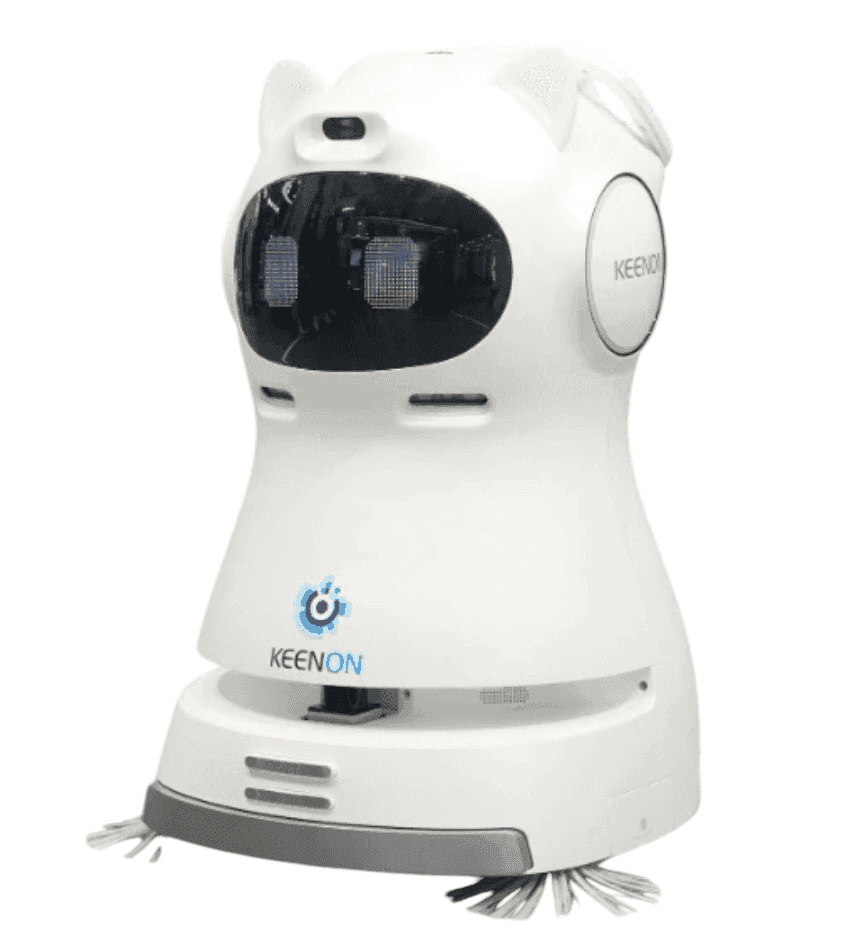
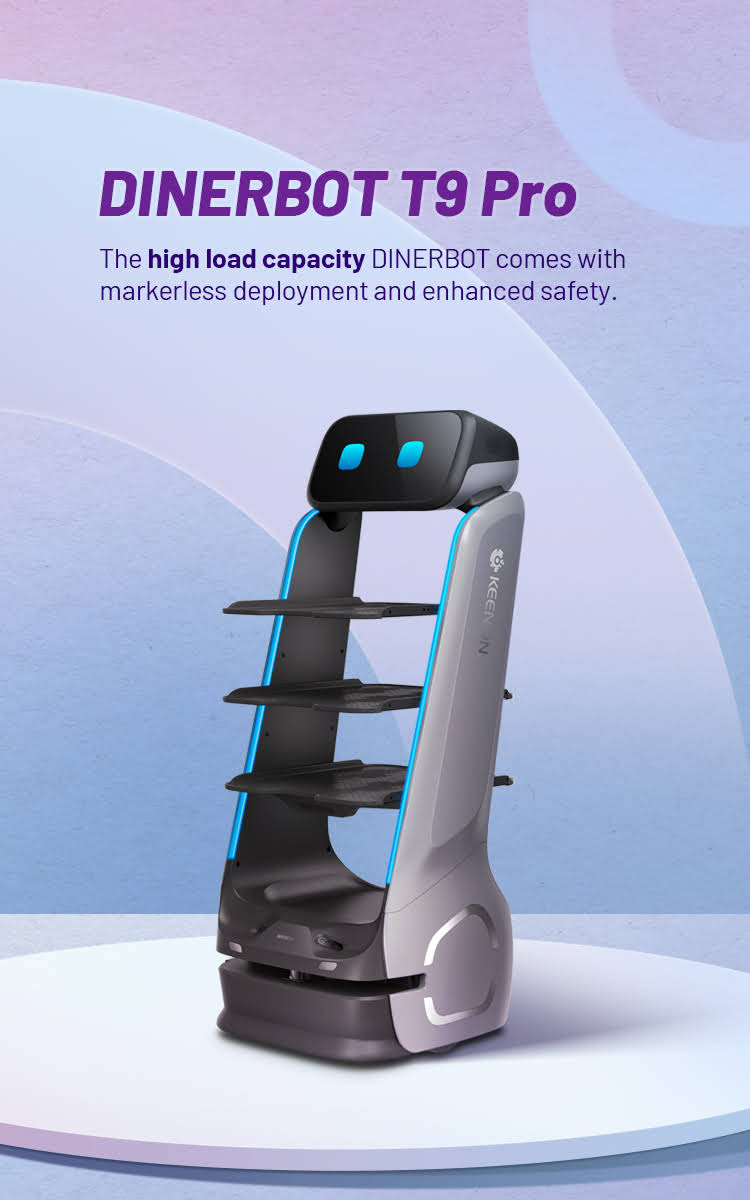
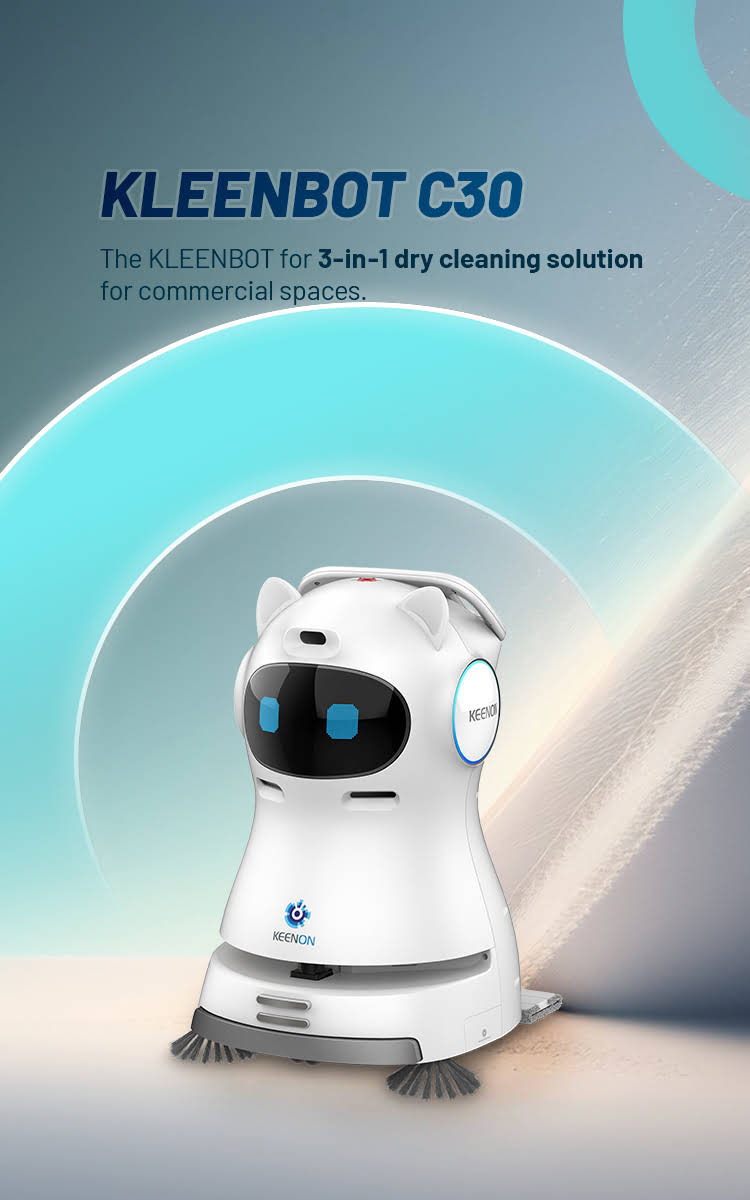


The product catalog data extracted from intel.com in the context of this program consists almost entirely of Intel's broader hardware and software portfolio — processors (Xeon 6 with E-cores), FPGA resources, RealSense cameras, Ethernet controllers, server boards, and CoFluent design-modeling tools — all flagged as NEEDS_REVIEW with no direct mapping to the AI for Workforce curriculum. This is expected: AI for Workforce is a curriculum and services program, not a hardware product line.
What Intel publicly describes as the AI for Workforce "product" is best understood as a content and enablement bundle: over 700 hours of modular AI educational content organized into nine pre-packaged courses; a train-the-trainer faculty development model; ongoing technical support for lead faculty; AI Lab design guidance across in-person, virtual, and hybrid formats; and access to a peer-support network of 110+ partner institutions. The curriculum spans three skill domains — technical skills (programming, data science, computer vision, NLP, algorithmic thinking using Intel technologies), social skills (AI ethics, bias reduction, critical thinking), and career growth skills (career pathfinding, entrepreneurial mindset, design thinking). Applied AI domains specifically called out include statistical data analysis, natural language processing, and computer vision.
4. Technology Stack {#technology-stack}
The AI for Workforce curriculum explicitly names several applied AI domains: statistical data analysis, natural language processing (NLP), and computer vision. These are the three technical pillars around which lab activities and industry use-case projects are structured. The curriculum also references programming and coding, data science, and algorithmic and computational thinking with Intel technologies, suggesting that Intel hardware and software frameworks (such as the OpenVINO toolkit, which Intel promotes broadly for edge AI inference) are likely part of the hands-on lab environment — though specific tooling is not disclosed in the public program description.
Our read: Given Intel's broader portfolio — Xeon processors, Intel RealSense depth cameras (surfaced in the product data), and Intel's well-documented OpenVINO inference optimization toolkit — it is reasonable to infer that lab activities involve Intel-optimized compute and vision hardware. The AI Lab design models (in-person, virtual, hybrid) suggest that some labs may leverage cloud or remote compute access rather than requiring each institution to provision dedicated GPU or accelerator hardware. However, specific lab hardware configurations are not publicly detailed.
Our read: The train-the-trainer model implies a structured pedagogical delivery framework — likely a learning management system (LMS)-compatible content format — but the specific LMS integrations or content delivery platforms are not named in publicly available materials.
Not yet disclosed: specific software frameworks, LMS integrations, hardware specifications for the AI labs, or details on how Intel technologies map to individual course modules. Intel or partner institutions are invited to claim or correct this detail.
5. Research, Papers, Authors, Labs {#research-papers}
Company-linked papers
AI for Workforce is an applied workforce-development and educational outreach program, not a research-publishing entity. No academic papers, technical preprints, or named research authors are attributed to the program in the available public data. This is consistent with the program's mission — scaling practical AI skills across community colleges — rather than generating novel AI research. The one empirical data point cited publicly is a 2021 survey of higher education educators and IT decision-makers, referenced in program materials to establish market need (69% sensing increased employer demand; 45% offering any AI course). The provenance of that survey — whether Intel-commissioned or third-party — is not specified in available materials.
Intel Corporation as a whole is an active research organization, but attributing that research output to the AI for Workforce program specifically would be inaccurate. This section reflects the program as documented.
6. Media Evidence {#media-evidence}
Media library
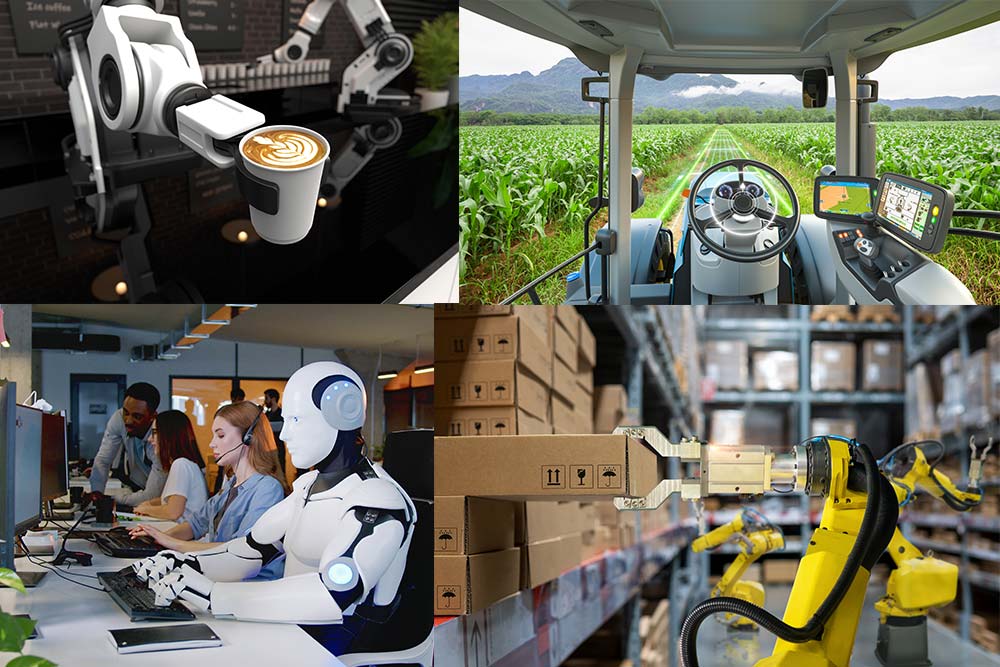
Three independently sourced press items are on record for the AI workforce context in which this program operates. Customer Contact Week (customercontactweek.com, May 12, 2025) published "How AI & Robotics Are Reshaping the Workforce," situating AI upskilling within broader labor market transformation. CIO (cio.com, February 21, 2025) ran "AI humanoid robots inch their way toward the workforce," reflecting enterprise-level anxiety about AI-driven role displacement — the precise problem AI for Workforce is designed to address from the supply side. Camoin Associates (camoinassociates.com, October 1, 2024) published "How AI is Impacting the US Workforce," a regional economic development perspective on AI skills gaps. None of these articles are confirmed to name AI for Workforce specifically; they establish the independent press environment surrounding the program's operating thesis.
Intel's own program page documents internal media: a news video covering the Maricopa County Community College District incubator lab announcement, an instructor spotlight video featuring Habib Matar of Chandler Gilbert Community College, and a video feature on Central New Mexico Community College's AI job-preparation efforts.
7. Commercial Reality {#commercial-reality}
Customers & deployments
AI for Workforce is structured as a corporate social responsibility and ecosystem-development program within Intel, not a standalone revenue-generating business unit. Accordingly, no revenue figures, per-institution licensing fees, or commercial contract values are disclosed in any available public materials.
Participation scale (company-claim): 110+ partner institutions across 39 U.S. states as of March 2024.
Named institutional deployments (company-claim): Maricopa County Community College District (Arizona); Chandler Gilbert Community College (Arizona, instructor spotlight); Central New Mexico Community College (New Mexico).
Revenue: Not disclosed. Given the program's positioning as part of Intel's Digital Readiness portfolio — likely funded as a corporate investment rather than a fee-for-service offering — revenue may not be a meaningful metric. Intel and partner institutions are invited to disclose participation data, student completion rates, job placement outcomes, or any ROI metrics that would allow independent assessment of program impact.
Student outcome data: Not disclosed in available materials. Not yet disclosed: graduate employment rates, median wages post-completion, course completion rates, or number of students served to date. These are the metrics that would most credibly validate the program's employability claims. Intel or partner colleges are invited to claim or correct.
8. Markets and Use Cases {#markets-use-cases}
The AI for Workforce program operates at the intersection of workforce development, community higher education, and applied AI training. Its primary institutional market is U.S. community colleges and vocational schools — a sector that collectively serves tens of millions of students annually and is chronically under-resourced for emerging technology instruction.
The curriculum's applied AI domains — computer vision, natural language processing, and statistical data analysis — map to use cases across multiple end industries, and the program explicitly incorporates "multiple industry use cases incorporating the latest technology trends." Named industry contexts from program materials include business, nursing, healthcare, and other professions that increasingly draw on AI technology, as cited in the Maricopa County incubator lab announcement. This signals an intentional breadth strategy: AI for Workforce is not training specialists for narrow AI engineering roles but preparing a cross-sector workforce capable of deploying and interacting with AI tools in frontline and professional roles.
A notable use-case highlight is the story of a father using Intel technology to build an AI algorithm to assist his epileptic daughter — a real-world applied project that illustrates the program's emphasis on students building projects with industrial or social impact. This aligns with the program goal of "producing evidence for employment" through demonstrable project outcomes.
Geographic markets span 39 U.S. states as of March 2024, with Arizona (Maricopa County, Chandler Gilbert) and New Mexico (Central New Mexico Community College) among the publicly named deployment sites. The program's partnership with the American Association of Community Colleges and Dell Technologies through the AI Incubator Network suggests an ambition to deepen penetration within the existing 110+ institution base and potentially expand the state footprint further.
9. Competitive Landscape {#competitive-landscape}
Competitive comparison
| Robot | Maker | Autonomy | Conf. |
|---|---|---|---|
| iRobot Roomba Combo 10 Max | iRobot | Autonomous | 0.90 |
| Mobile ALOHA (Stanford) | Stanford University | Teleoperated | 0.90 |
| 1X NEO | 1X Technologies | Remote-Assisted | 0.90 |
AI for Workforce operates in a crowded but structurally fragmented field. The landscape includes technology company-sponsored upskilling programs, community college system initiatives, federal workforce grants (e.g., through the Department of Labor and NSF Advanced Technological Education), and independent edtech platforms offering AI curricula. The distinguishing feature of Intel's approach — curriculum plus faculty training plus lab design plus institutional peer network — is a more comprehensive institutional enablement model than pure content licensing or individual learner subscriptions. The tri-party AI Incubator Network with AACC and Dell Technologies also represents a coalition approach that individual programs or single-vendor offerings typically cannot match.
The competitive dynamics in this space are largely cooperative rather than zero-sum: community colleges frequently adopt curricula from multiple providers, and government workforce funding tends to support program expansion rather than winner-take-all selection. The more material competitive pressure is institutional inertia — the 45% of community colleges not yet offering any AI course represent both the program's largest opportunity and its most persistent adoption challenge. The module below provides structured peer context.
10. Country Advantage / Geopolitical {#geopolitical}
The AI for Workforce program is explicitly framed in national competitiveness terms. Intel's program materials state directly that "developing an AI workforce is critical to remaining globally competitive" — positioning the initiative as aligned with U.S. policy goals around technology leadership and domestic AI capacity. This framing is consistent with the broader U.S. federal policy environment, which has in recent years directed significant funding toward STEM and AI workforce pipelines through legislation including the CHIPS and Science Act, in which Intel itself is a direct beneficiary as a semiconductor manufacturer.
Our read: Intel's investment in community college AI education carries a strategic dual benefit: it serves a genuine public workforce need while simultaneously cultivating a domestic talent pipeline conversant in Intel technologies — a long-term ecosystem play for a company whose competitive position depends on developer and practitioner adoption of its hardware and software platforms. This alignment between corporate interest and national policy interest is a structural advantage that makes the program's continuation likely regardless of short-term budget pressures.
The program is U.S.-only as publicly described, with no mention of international expansion in available materials. Not yet disclosed: whether Intel operates analogous programs in other geographies under different branding.
11. Hype vs Real vs Ugly {#hype-real-ugly}
Claim tracker
Real (verified by company-claim, consistent with scale):
- 700+ hours of AI content, nine pre-packaged courses with assignments, quizzes, and lab activities — company-claim, specific and detailed enough to be verifiable by any enrolled institution.
- 110+ partner institutions across 39 states as of March 2024 — company-claim; the named partners (Maricopa County CCD, Chandler Gilbert Community College, Central New Mexico Community College) provide partial independent anchoring.
- Partnership with AACC and Dell Technologies on the AI Incubator Network — company-claim, named organizations that could independently confirm.
- First AI for Workforce incubator lab at MCCCD — company-claim, accompanied by a news video per program materials.
Claims requiring independent validation:
- "Demand for AI skills is expected to grow exponentially over the next three years" — company-claim in program rationale; the specific projection source is not named.
- The 2021 survey finding (69% sensing increased employer demand; 45% of schools offering AI courses) — company-claim; the survey's commissioning body and methodology are not disclosed in available materials.
- "Empower the workforce with necessary AI skills for employability" — company-claim (program goal); actual employment outcomes are not publicly reported.
Gaps to watch:
- No independent student outcome data (completion rates, employment rates, wage premiums) is publicly available. The program's core employability claim rests on curriculum design rather than demonstrated labor market results.
- Not yet disclosed: total student enrollment since 2020, number of certificates or degrees awarded, or any third-party program evaluation. Intel and partner institutions are invited to claim or correct.
12. Future Scenarios {#future-scenarios}
Bull case — Our read: Federal AI workforce policy continues to intensify (consistent with CHIPS Act-era priorities), and AI for Workforce becomes a preferred vehicle for community college AI curriculum adoption nationally. The AI Incubator Network with AACC and Dell scales to additional states; the 39-state footprint reaches all 50. Student outcome data is eventually published, validating the employability thesis and attracting additional corporate or government co-investment. Intel's hardware ecosystem benefits from a generation of practitioners trained on Intel-optimized AI tools.
Base case — Our read: The program sustains its current trajectory — gradual institutional expansion, deepening engagement within existing partner colleges, continued incubator lab rollouts. Participation grows modestly beyond 110 institutions but remains concentrated in states with strong community college systems and existing Intel relationships. Outcome data remains thin publicly, limiting the program's ability to attract external validation or policy-level endorsement. The program remains a meaningful but under-publicized component of Intel's Digital Readiness portfolio.
Bear case — Our read: Intel faces significant corporate financial pressure (as has been publicly reported in broader business coverage) and reallocates Digital Readiness program investment. Community college partners, lacking direct financial dependence on Intel, retain the curriculum but lose the faculty support network and ongoing content updates. Competing programs from cloud hyperscalers with larger education budgets gain share. The 700+ hours of content, without maintenance, ages against a rapidly evolving AI landscape — reducing its relevance for the very employability outcomes it targets.
13. What to Watch {#what-to-watch}
- State footprint expansion: Whether the program crosses the 39-state threshold and approaches all 50 states — a meaningful signal of national policy alignment.
- Student outcome disclosure: Publication of completion rates, credential awards, or employment outcomes by Intel or partner institutions — the single most important validator of the program's employability claims.
- AI Incubator Network growth: Announcements of additional incubator labs beyond the Maricopa County MCCCD site; AACC and Dell Technologies partnership milestones.
- Content currency: Whether the 700+ hours of curriculum is updated to reflect rapidly evolving AI capabilities (generative AI, large language models) — a key risk given the pace of the field.
- Intel corporate investment signals: Any change in Intel's Digital Readiness budget allocation or organizational structure that could affect program continuity.
- Federal workforce policy: New Department of Labor, NSF, or CHIPS Act–adjacent funding streams that could co-invest in or formalize AI for Workforce as a preferred delivery vehicle.
- Third-party program evaluations: Independent assessments by AACC, higher education researchers, or workforce policy organizations that could quantify program impact.
14. Sources & Methodology {#sources-methodology}
Primary source: All factual claims in this report are grounded exclusively in content extracted from intel.com — specifically the AI for Workforce program page and associated About text — and are treated throughout as company-claims reflecting Intel's own public statements. No independently unverifiable facts, invented specifications, or unsourced quantitative claims have been introduced.
Product data: The 48 product entries extracted from intel.com in association with this program were all flagged NEEDS_REVIEW and do not map to AI for Workforce curriculum products. They reflect Intel's broader hardware and software portfolio surfaced by the domain crawl. They are noted but not used as evidence of AI for Workforce program features.
Third-party press: Three externally sourced articles (customercontactweek.com, cio.com, camoinassociates.com) are cited for thematic context only. These are not confirmed to name AI for Workforce specifically and are labeled accordingly.
Inference labeling: All analytical inferences are labeled "Our read:" throughout. All gaps in public disclosure are framed as "Not yet disclosed:" with an explicit invitation for Intel or partner institutions to claim or correct the record.
Rubric (applied uniformly to every company in this series): Verified = sourced to the company's own public materials or named third-party coverage. Inferred = labeled "Our read." Absent = labeled "Not yet disclosed" or "Not disclosed." No negative claim is stated as fact without a public source.

analytics.html
Needs reviewThis is not a robot product page. The content describes Intel's Advanced Analytics Solutions, a software and infrastructure platform for data pipelines, featuring optimized frameworks like TensorFlow and PyTorch, Xeon Scalable Processors, and a 13,000-partner ecosystem.
Detailed specs not disclosed.
Technology stackOur read
Inferred from product specs — click through to the technology wiki:
ResearchComputed
Product comparisonComputed
Company announcement
News and Media
The company's official social & video channels · external links

Cisco Live 2026 | Intel and Proto: AI-powered digital assistant | Intel Business
2026-07-01

Cisco Live 2026 | Intel and Proppos: Vision AI for healthcare operations | Intel Business
2026-07-01

Cisco Live 2026 | Intel and Ecrio: Industrial AI for worker safety | Intel Business
2026-07-01

Transforming video quality with on-device AI powered by Intel and Microsoft | Intel Business
2026-06-26
News
From third-party news outlets (China & abroad) · external links