FFRobotics
IL · ffrobotics.com
SnapshotCompany claim
FFRobotics is an agtech company specializing in automated harvest technology. The business is located in Israel and operates in the agriculture technology sector.
- Founded
- Not disclosed
- HQ
- IL
- Models
- 1
- Categories
- 1
Product families
Is this your company? Claim this profile to add verified data, respond to our analysis, and upgrade claims to Verified.
Claim this profile1. Executive Overview {#executive-overview}
FFRobotics is an Israel-based agricultural technology company focused on automated harvest technology for fresh fruit. Operating at the intersection of robotics and precision agriculture, the company has attracted sufficient third-party attention to appear in industry funding and competitive databases (Tracxn, 2026) and has been cited in market research covering the fruit-picking robotics sector (GM Insights, 2026). A 2021 case study published by OpenBOM documents FFRobotics' internal engineering discipline — specifically, the standardization of 16,000 individual components and bill-of-materials optimization — suggesting a company with real hardware complexity under development or in production.
The company's public positioning centers on the fresh fruit harvest problem: physically demanding, time-sensitive, and chronically short of seasonal labor. FFRobotics presents automated harvesting as its answer to that structural challenge. Its website includes dedicated pages for "Fresh Fruit Harvest" and "The Technology," indicating a product-oriented rather than purely research-oriented organization.
Not yet disclosed publicly: founding date, cumulative funding, revenue, or named commercial deployments. Prospective partners or investors are invited to share or correct this information to improve the accuracy of this profile.
Latest news
- KEENON Humanoid Pours Drinks at GCS 2026, 100,000 Others Run HotelsYanko Design·2026-06-15GENERAL
2. The Company Story {#the-company-story}
FFRobotics is headquartered in Israel (country code: IL) and operates in the agricultural technology sector, with a specific focus on automated harvest technology. The company's founding date has not been disclosed in any source available to this analysis. Its domain, ffrobotics.com, reflects a direct brand identity built around the fruit-picking robotics mission — "FF" most plausibly referencing "Fresh Fruit," consistent with the website's dedicated "Fresh Fruit Harvest" page.
The 2021 OpenBOM case study provides the most substantive external window into the company's operational maturity at that time. According to OpenBOM, FFRobotics had reached a scale of 16,000 individual components requiring standardization and BOM optimization — a level of hardware complexity typically associated with companies that have progressed well beyond early prototyping and into pre-production or pilot manufacturing. The decision to standardize at that component count suggests disciplined engineering management and a system of meaningful mechanical and electronic depth.
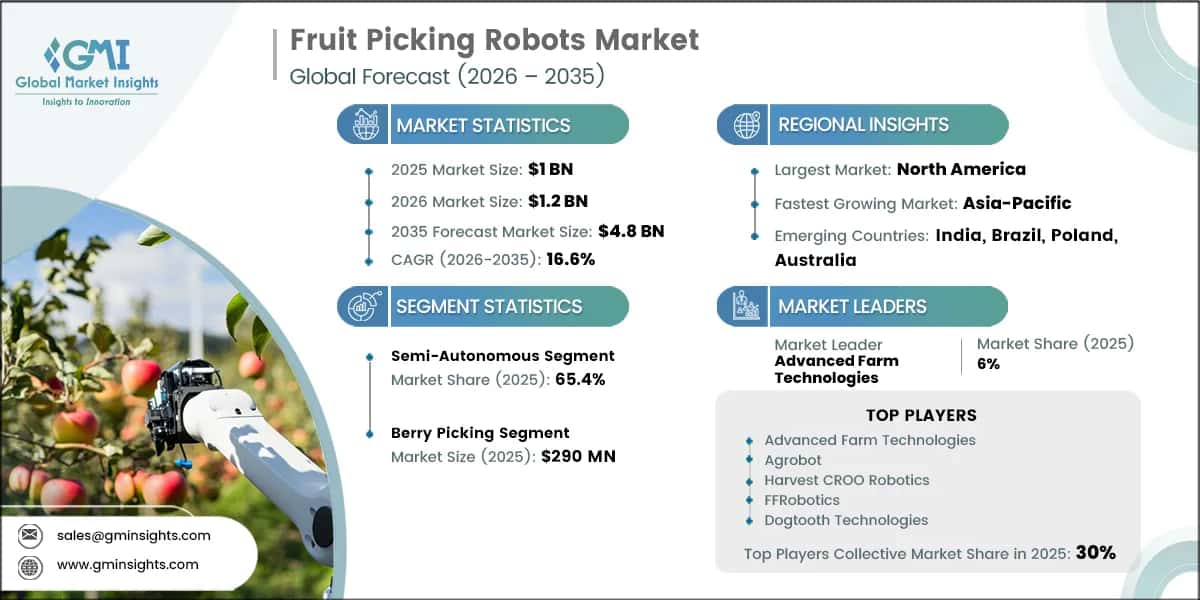
By 2026, FFRobotics appeared in Tracxn's company database with a profile covering team, funding, and competitors, and was referenced in GM Insights' market forecast report on the fruit-picking robots sector through 2035. These citations indicate that the company remains an active entity recognized within the agtech and robotics investment community, even where detailed operational milestones have not been publicly disclosed.
3. Product Portfolio {#product-portfolio}
Products & versions
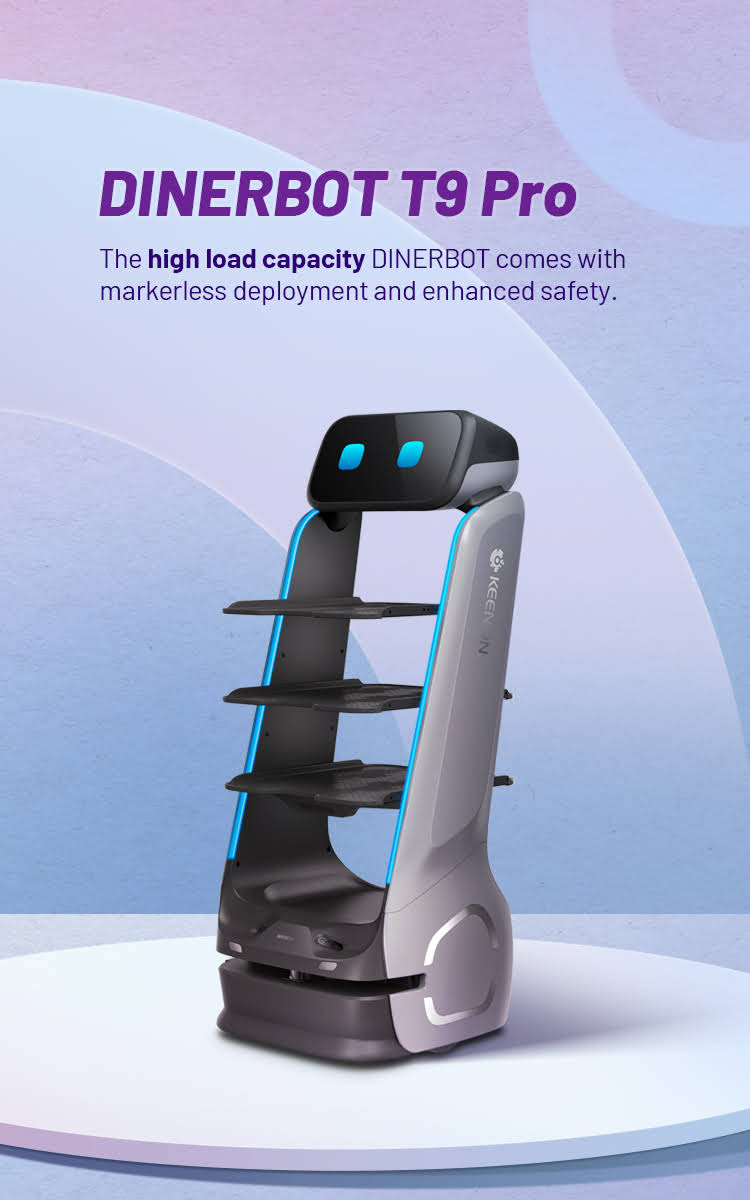
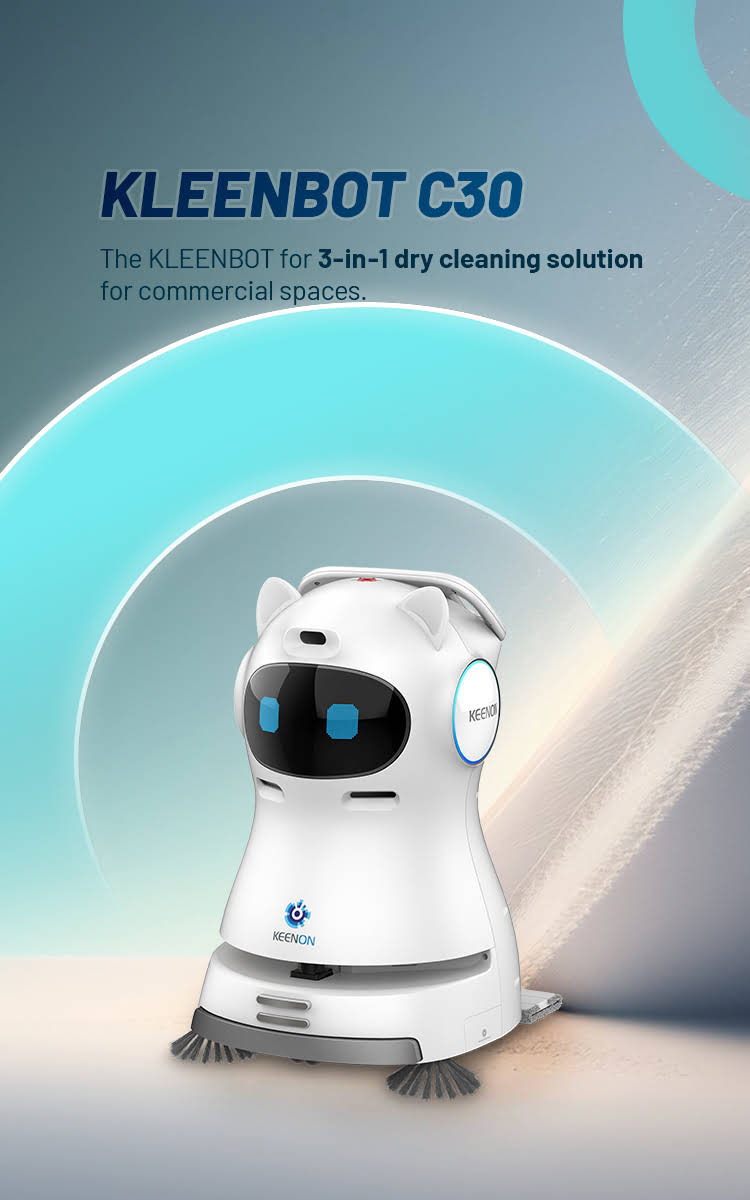


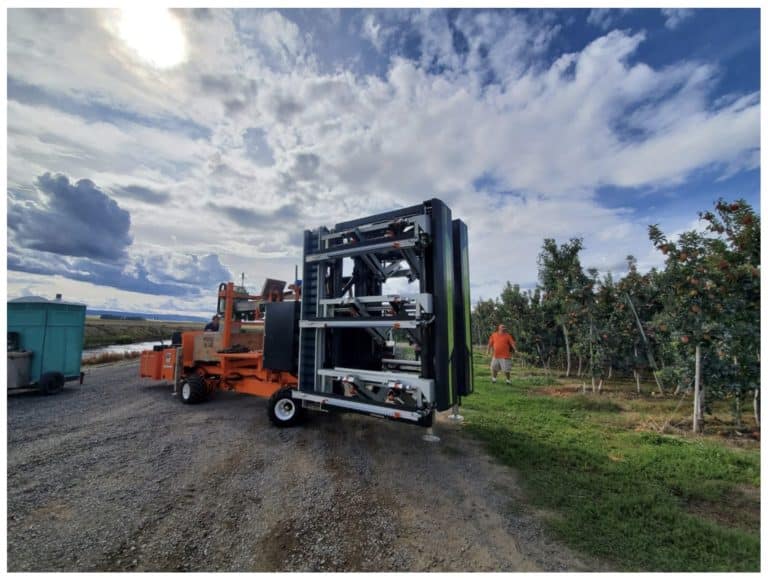
The structured product data extracted from FFRobotics' public website is limited in machine-readable detail at the time of this report. The site architecture, however, reveals meaningful signals about the company's product orientation. Dedicated pages titled "Fresh Fruit Harvest" and "The Technology" — alongside a "Team" page and general company pages — indicate a product lineup organized around a core harvesting system rather than a broad multi-category robotics portfolio.
The OpenBOM case study (2021) corroborates a hardware-heavy product reality: 16,000 standardized components and optimized BOMs are characteristic of a complex electromechanical system, likely involving robotic arms, end-effectors, vision systems, and a mobile or orchard-traversing platform. The website's site structure names no individual product models or SKUs in the data available to this analysis. Not yet disclosed: specific model names, harvesting speed (fruit per hour), crop compatibility breadth, or whether the system has reached commercial sale or remains in pilot deployment. FFRobotics is invited to update this section with verified product specifications.
4. Technology Stack {#technology-stack}
Based on the site structure and the OpenBOM case study, FFRobotics operates with a technology stack of substantial hardware complexity. The presence of a dedicated "The Technology" page, combined with 16,000 standardized components, points to a multi-subsystem architecture.
Our read: A fruit-harvesting robot operating in unstructured orchard environments typically requires at minimum: (1) a machine vision or computer vision layer for fruit detection and localization; (2) a robotic manipulation system — most likely multi-arm, given the speed requirements of commercial harvest; (3) a mobility platform capable of navigating between orchard rows; and (4) a control and coordination software stack. The BOM scale documented by OpenBOM is consistent with all four subsystems being present in FFRobotics' design.
Our read: The BOM standardization effort — reducing 16,000 components to optimized, non-redundant selections — also implies the company has invested in design-for-manufacturability, a signal that the technology is being prepared for repeatable production rather than one-off prototyping.
Limited public technical detail is available regarding the specific sensors (LiDAR, RGB-D cameras, or other), AI frameworks, harvesting end-effector design, or software architecture FFRobotics employs. Not yet disclosed: compute platform, operating system, vision model architecture, or autonomy level classification. FFRobotics is invited to submit technical documentation for inclusion.
5. Research, Papers, Authors, Labs {#research-papers}
Company-linked papers
FFRobotics does not appear to be a research-publishing organization in the academic sense. No peer-reviewed papers, conference proceedings, or named research lab affiliations were identified in the sources available to this analysis. This is consistent with the profile of a commercialization-focused agtech hardware company rather than a university spinout or dual-track R&D firm. The company's public presence is oriented toward product and technology communication, not academic dissemination.
6. Media Evidence {#media-evidence}
Media library
Three third-party sources referencing FFRobotics were identified in the data underlying this report. OpenBOM (openbom.com) published a case study on July 11, 2021, documenting FFRobotics' component standardization and BOM optimization work — this is the most substantive independent operational account available. GM Insights (gminsights.com) included FFRobotics in a fruit-picking robots market forecast report covering 2026–2035, published June 2026. Tracxn (tracxn.com) maintains a company profile for FFRobotics as of June 2026, covering team, funding, and competitive positioning. No major general press, broadcast, or trade publication coverage (e.g., AgFunder News, IEEE Spectrum, Reuters) was identified in the available data.
7. Commercial Reality {#commercial-reality}
Customers & deployments
Revenue, customer count, and named commercial deployments are not disclosed in any source available to this analysis and should be treated as Not disclosed. The OpenBOM case study confirms that by 2021 the company had reached meaningful hardware development scale, but does not document commercial sales or field deployments by name. Tracxn's 2026 profile references funding, but no specific round sizes, investors, or totals are available in the data provided here.
FFRobotics is invited to disclose: annual recurring revenue or revenue range, number of units deployed, named orchard or grower customers, and any documented return-on-investment figures from pilot or commercial deployments. Such disclosures would materially improve the completeness of this profile and are standard for companies seeking investor or partnership visibility in the agtech sector.
8. Markets and Use Cases {#markets-use-cases}
FFRobotics' stated focus on automated harvest technology for fresh fruit defines a clear target market: commercial fresh-fruit orchards requiring mechanical harvest assistance. This positions the company within the agricultural labor-substitution segment of agtech — a market driven by chronic seasonal labor shortages, rising labor costs, and time-sensitivity of fresh fruit harvest windows.
The "Fresh Fruit Harvest" page designation on the company's website, while not elaborated in the structured data available, signals that the primary use case is field-level harvesting rather than post-harvest processing, packaging, or greenhouse operations. Fresh fruit harvesting — covering crops such as apples, citrus, stone fruit, and similar tree crops — is widely regarded as one of the most technically demanding agricultural automation challenges due to variability in fruit size, color, occlusion, and canopy structure.
Israel's own agricultural sector, while relatively small in absolute area, has a strong history in precision irrigation, agtech innovation, and orchard management — providing FFRobotics a proximate development and potential pilot market. Export markets most relevant to this category include the United States (particularly Washington State apple and California citrus), Europe (Spain, Italy, France for stone fruit and citrus), and other labor-constrained fruit-producing regions. Not yet disclosed: which specific crops or geographies FFRobotics is currently targeting or has conducted trials in.
9. Competitive Landscape {#competitive-landscape}
Competitive comparison
| Robot | Maker | Autonomy | Conf. |
|---|---|---|---|
| iRobot Roomba Combo 10 Max | iRobot | Autonomous | 0.90 |
| Mobile ALOHA (Stanford) | Stanford University | Teleoperated | 0.90 |
| 1X NEO | 1X Technologies | Remote-Assisted | 0.90 |
The fruit-picking robotics market is an active and increasingly well-funded segment of agricultural automation, with multiple companies globally pursuing similar automated harvesting objectives across different fruit types and orchard configurations. As of 2026, GM Insights identifies this as a growing market sector with a forecast horizon extending to 2035, implying sustained investment interest and competitive entry.
FFRobotics competes in a category defined by the technical difficulty of the problem — robotic manipulation in unstructured outdoor environments — and by the commercial reality that growers evaluate systems on harvest speed, fruit damage rate, and total cost of ownership relative to human labor. The module above identifies same-category peers. What distinguishes individual competitors in this space typically comes down to crop specificity, end-effector design, and whether the system is sold, leased, or offered as a harvest-as-a-service model. FFRobotics' disclosed approach to large-scale BOM standardization suggests a design philosophy oriented toward manufacturable scale, which is a meaningful differentiator if and when it reaches commercial deployment volumes.
10. Country Advantage / Geopolitical {#geopolitical}
Israel's standing as a mature agtech innovation hub is materially relevant to FFRobotics' profile. The country has a well-established ecosystem of agricultural technology development — built in part on domestic necessity given its water scarcity, limited arable land, and historically export-oriented fresh produce sector. This environment has produced globally competitive agtech companies across drip irrigation, precision agriculture, and greenhouse automation, and provides FFRobotics with access to a knowledgeable local investor base, agricultural research institutions, and government support mechanisms for technology export.
Israel's technology export relationships — particularly with the United States, European Union, and agricultural markets in Asia — represent potential commercialization pathways for a fruit-harvesting robotics system. The country's trade status and established agtech-to-export track record are structural advantages for a company seeking to deploy in North American or European orchard markets. Not yet disclosed: whether FFRobotics has received funding or support from the Israel Innovation Authority or comparable government programs, or whether it has active international partnerships or pilots.
11. Hype vs Real vs Ugly {#hype-real-ugly}
Claim tracker
What is verifiable: FFRobotics is a real company registered in Israel with an active web presence, including dedicated technology and product pages. A third-party operational case study (OpenBOM, 2021) independently documents the company's engineering activity at the level of 16,000 standardized components — this is concrete evidence of substantive hardware development, not vaporware.
What is a company claim: FFRobotics describes itself as "specializing in automated harvest technology" (company-claim, from their site). The framing of its technology pages implies a working or near-working system, but no independent third party has published verified field performance data — harvest speed, error rate, or commercial availability — in the sources available here.
What is uncertain: The gap between "hardware development at scale" (confirmed 2021) and "commercial product available for purchase or deployment" (not confirmed in any source) is the central open question in this profile. The five-year interval between the OpenBOM case study and the 2026 Tracxn and GM Insights references does not, from available data, resolve whether FFRobotics has crossed the commercialization threshold. Our read: A company with 16,000-component BOM discipline and continued market visibility through 2026 is most plausibly still active and developing, but commercial status cannot be confirmed from public sources.
Not a fabricated negative: No source available to this analysis reports product failure, company shutdown, or customer disputes. Absence of disclosed commercial deployments is noted as a gap, not as evidence of failure.
12. Future Scenarios {#future-scenarios}
Our read — Bull case: FFRobotics reaches commercial deployment at scale in one or more major fruit-growing markets (e.g., U.S. apples, Israeli/European citrus or stone fruit), leveraging its BOM-standardized hardware architecture for repeatable manufacturing. Growing labor shortages and rising harvest labor costs accelerate grower adoption. The company becomes a recognized supplier in the fruit-picking robotics category, which GM Insights projects as a growing market through 2035.
Our read — Base case: FFRobotics continues development through 2026–2028, conducting commercial pilots with select growers while refining reliability and harvest-rate performance. Revenue remains limited or undisclosed during this period. The company raises additional capital (potentially from Israeli agtech funds or strategic agricultural equipment partners) to bridge from pilot to volume deployment. Market entry is selective by crop type and geography rather than broad.
Our read — Bear case: The technical difficulty of reliable, high-throughput fresh fruit harvesting across variable field conditions — a challenge that has delayed or ended multiple well-funded robotics programs globally — proves more stubborn than anticipated. Extended development timelines exhaust capital before commercial scale is reached, or competing solutions achieve market adoption first. Without disclosed funding or revenue, the company's financial runway cannot be assessed from public sources.
13. What to Watch {#what-to-watch}
- Commercial deployment announcement: Any named grower, cooperative, or packing house confirming FFRobotics equipment in operational use would be the single most important validation signal.
- Funding disclosure: A disclosed funding round — amount, investors, and stage — would clarify runway and investor confidence in the technology's readiness.
- Product specification release: Publication of harvest speed (fruit per hour), supported crop list, and fruit damage rates would allow meaningful competitive benchmarking.
- Israel Innovation Authority or government program participation: Disclosure of public R&D support would signal both technical credibility and state-backed development continuity.
- Conference or trade show presence: Appearances at AgFunder, World Agri-Tech, or regional fruit industry events (e.g., Washington State Tree Fruit Association) would indicate active commercial engagement.
- GM Insights and Tracxn profile updates: Monitor these databases for updated funding, headcount, or customer disclosures through 2026–2027.
- OpenBOM or similar operational case studies: Additional third-party process or supplier case studies would provide indirect evidence of continued development activity and scale.
14. Sources & Methodology {#sources-methodology}
Sources used in this report:
- FFRobotics website (ffrobotics.com) — company-claim provenance. All descriptions of the company's mission, focus area, and product orientation are drawn from the company's own public web presence and are labeled as company-claims. Site structure (page titles, URL slugs) is used as secondary evidence of product and technology orientation.
- OpenBOM (openbom.com), July 11, 2021 — independent third-party case study. Used as external validation of engineering activity and hardware complexity. Cited as an independent source.
- GM Insights (gminsights.com), June 2026 — independent market research publication. Used to establish sector context and confirm FFRobotics' presence in fruit-picking robotics market coverage. Cited as an independent source.
- Tracxn (tracxn.com), June 2026 — independent company intelligence database. Used to confirm continued company activity and market recognition as of 2026. Cited as an independent source.
Methodology rubric (applied uniformly to every company profiled):
- Factual claims are grounded only in the sources listed above.
- Inferences are labeled "Our read:" throughout.
- Company statements from the company's own website are labeled "company-claim."
- Absent data is rendered as "Not disclosed" or "Not yet disclosed," never as an unsourced negative.
- Competitive, financial, and deployment claims not present in source material are not asserted.
- This rubric is applied consistently regardless of company size, geography, or sector.

Technology stackOur read
Inferred from product specs — click through to the technology wiki:
ResearchComputed
Product comparisonComputed
Company announcement
News and Media
The company's official social & video channels · external links
News
From third-party news outlets (China & abroad) · external links