PARO Therapeutic Robot
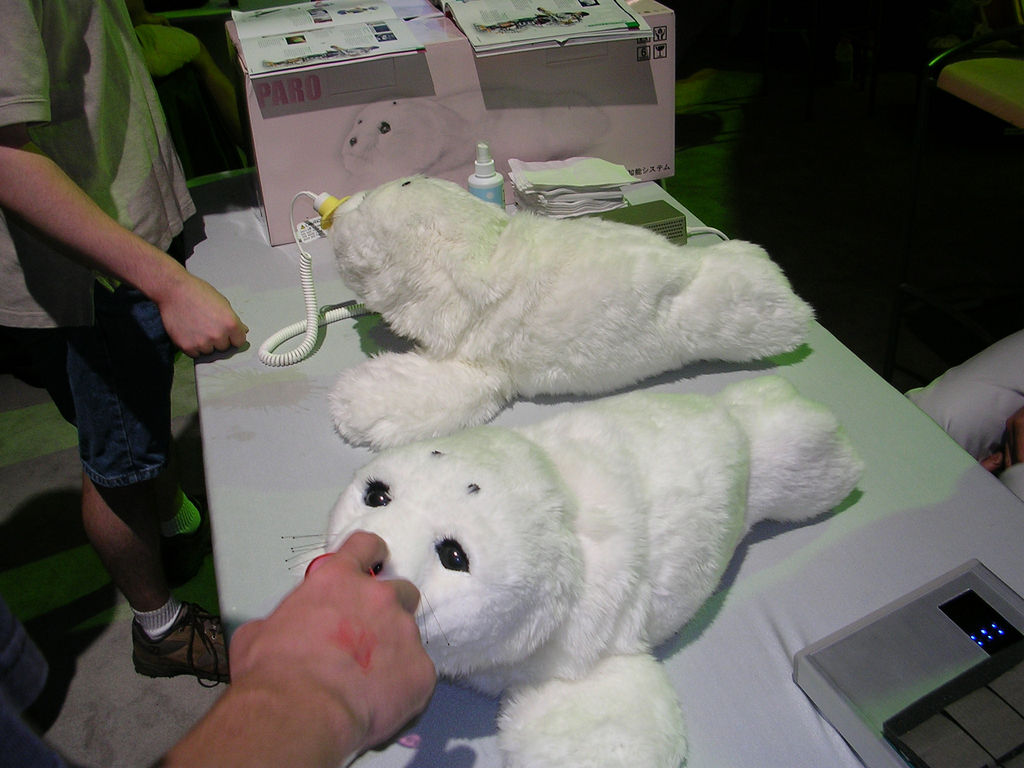
PARO is an advanced interactive therapeutic robot developed by Takanori Shibata at Japan's National Institute of Advanced Industrial Science and Technology (AIST). Shaped like a baby harp seal and covered in soft white fur, PARO is designed to provide comfort, reduce stress, and stimulate social interaction in patients with dementia, as well as in pediatric and palliative care settings. It responds to touch, light, sound, temperature, and posture through an array of embedded sensors, producing lifelike vocalizations and movements that mimic the behavior of a real seal pup. PARO has been certified as a medical device in several countries and is distributed in the United States by PARO Robots US. It is widely regarded as one of the most clinically studied therapeutic robots in the world, with peer-reviewed research documenting its positive effects on anxiety, agitation, and social engagement among elderly patients. As of public reporting, PARO has been deployed in care facilities across more than 30 countries.
Overview and Use Cases
PARO was first introduced to the public in the early 2000s and has since become a benchmark product in the field of socially assistive robotics. Its primary use cases include:
- Dementia and Alzheimer's care: Reducing agitation and anxiety in memory-care unit residents
- Pediatric therapy: Providing emotional support to children undergoing medical treatment
- Palliative and hospice care: Offering companionship to patients with limited mobility or social contact
- Mental health support: Assisting in stress reduction in hospital and rehabilitation settings
PARO is not intended to replace human caregivers but to supplement care by offering consistent, non-judgmental interaction that animals might otherwise provide — without the hygiene, allergy, or safety concerns associated with live animals.
Key Technical Details
PARO incorporates multiple sensor systems to enable responsive, lifelike behavior:
- Tactile sensors: Distributed across the body to detect stroking, patting, and holding
- Light sensors: Located in the eyes to detect ambient light levels and respond to day/night cycles
- Auditory sensors: Microphones that detect sound direction and volume, enabling PARO to turn toward a speaker's voice
- Temperature sensors: Allow PARO to sense the warmth of a human touch
- Posture sensors: Detect the robot's orientation and adjust behavior accordingly
PARO produces sounds modeled on real harp seal vocalizations recorded in Canada. Its fur is made from a specially developed antibacterial material that can be wiped clean. The robot is battery-operated and rechargeable via a pacifier-shaped charging connector. Specific battery runtime figures vary by usage pattern and have not been uniformly published in official documentation.
Medical Certification and Clinical Evidence
PARO holds certification as a medical device (Class II) in the United States under the FDA, and has received similar designations in Japan and several European countries. This distinguishes it from most companion robots on the market. Peer-reviewed studies — including randomized controlled trials — have reported reductions in stress hormones, decreased use of psychotropic medications, and improved mood and social interaction among users. PARO is also listed in clinical guidelines in some countries as a non-pharmacological intervention for dementia-related behavioral symptoms.
Comparison to Similar Robots
Within the broader companion robot category, PARO occupies a specialized clinical niche:
- Compared to gitamini (a personal following robot from Piaggio Fast Forward): gitamini is designed for mobility assistance and cargo-carrying rather than emotional therapy, targeting a very different use case and buyer.
- Compared to NAO 6 (SoftBank Robotics): NAO is a humanoid educational and research robot with programmable capabilities; PARO's value lies in its passive, sensory-responsive design rather than programmability.
- Compared to consumer companion robots such as Lovot (GROOVE X) or Aibo (Sony): PARO is positioned as a clinical-grade medical device with documented therapeutic outcomes, whereas consumer companions prioritize entertainment and general emotional engagement.
Market Context and Target Buyers
PARO is positioned in the premium segment of the therapeutic robotics market. As of public reporting, its price point is substantially higher than consumer companion robots, reflecting its medical device certification, clinical validation, and specialized materials. Target buyers include:
- Long-term care facilities and nursing homes
- Hospital dementia and psychiatric units
- Pediatric hospitals and rehabilitation centers
- Government health agencies procuring for public care systems
Some healthcare systems in Denmark, Japan, and other countries have reportedly subsidized or bulk-purchased PARO units for use in public elder-care facilities.
Deployments and Notable Presence
As of public reporting, PARO has been deployed in care facilities across more than 30 countries. Notable areas of adoption include Japan, the United States, Denmark, Australia, and several other European nations. It has been featured in academic research partnerships with universities and hospitals globally, and has received recognition from organizations including the Guinness World Records, which reportedly recognized it as the world's most therapeutic robot.
Future Outlook
The aging global population and growing demand for scalable, non-pharmacological dementia care interventions position PARO favorably for continued adoption. Ongoing research into socially assistive robotics may expand the evidence base for PARO and similar devices. However, the high cost relative to consumer alternatives and the need for institutional procurement processes remain barriers to widespread individual ownership. Future iterations may reportedly incorporate more advanced AI-driven behavioral adaptation, though no specific next-generation model has been officially announced as of public reporting.
Related videos

Related entries
 Robot
RobotG1
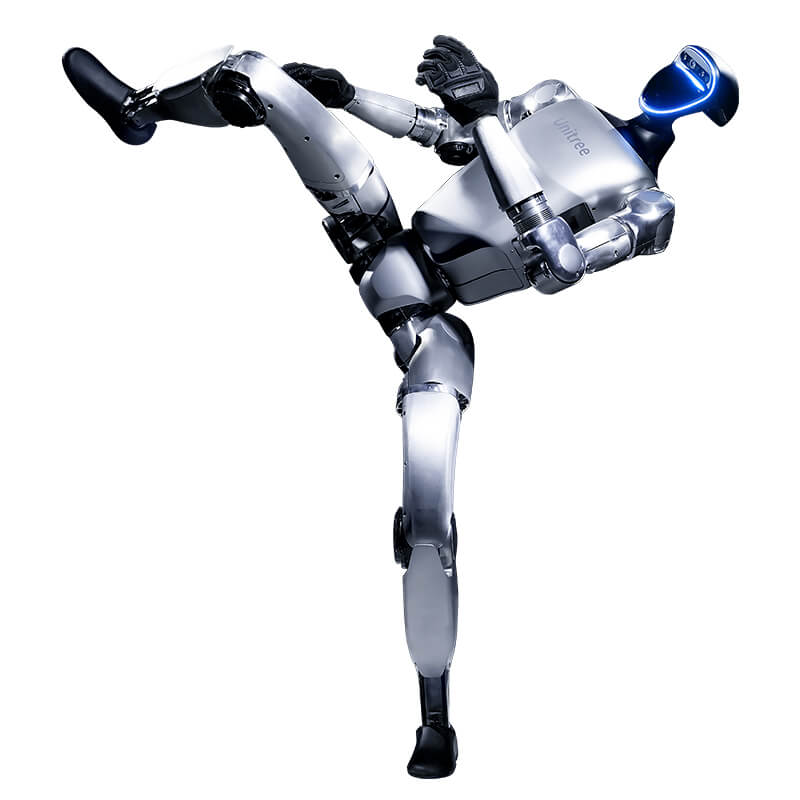
The Unitree G1 is a general-purpose humanoid robot developed by Unitree Robotics, a Chinese robotics company headquartered in Hangzhou. Standing approximately 1.32 meters tall and weighing around 35 kilograms, the G1 features 23 degrees of freedom and is capable of walking, running, recovering from falls, and performing dexterous manipulation tasks. It ships with SDK access, making it accessible to researchers and small-business operators seeking an affordable entry point into humanoid robotics. The G1 is widely regarded as one of the most competitively priced serious humanoid platforms available as of public reporting, positioning Unitree as a disruptive force in a market historically dominated by far more expensive systems. Its combination of mobility, recoverability, and open software access has attracted attention from academic institutions, robotics developers, and automation-focused startups worldwide.
44 views
 Robot
RobotUniversal Robots UR5e
The Universal Robots UR5e is a six-axis collaborative robot arm (cobot) belonging to Universal Robots' e-Series product line. Designed for light-to-medium industrial and laboratory tasks, it is widely used in assembly, pick-and-place, machine tending, quality inspection, and lab automation workflows. Universal Robots, a Danish company and a subsidiary of Teradyne, is one of the most recognized names in the collaborative robotics market. The UR5e is programmed using Universal Robots' PolyScope graphical interface on a teach pendant, making it accessible to operators without deep robotics expertise. Its built-in force/torque sensing, tool-center-point control, and a broad ecosystem of certified end-effectors and accessories (the UR+ platform) have made it a popular mid-range cobot choice across manufacturing, electronics, food handling, and research sectors.
43 views
 Robot
RobotQuicktron M100
The Quicktron M100 is a heavy-duty autonomous mobile robot (AMR) belonging to Quicktron Robotics' M-Series product line. It is designed for demanding material handling tasks in warehouses, distribution centers, and manufacturing environments, using an integrated lift mechanism to transport shelves and pallets autonomously across facility floors. Quicktron Robotics, a company with roots in China and a global commercial presence, positions the M100 as a high-capacity solution for operations that require moving heavier loads than lighter AMR models can accommodate. The M100 targets logistics operators and manufacturers seeking to automate goods-to-person or pallet-movement workflows at scale.
36 views
 Robot
RobotNVIDIA Jetson Orin NX
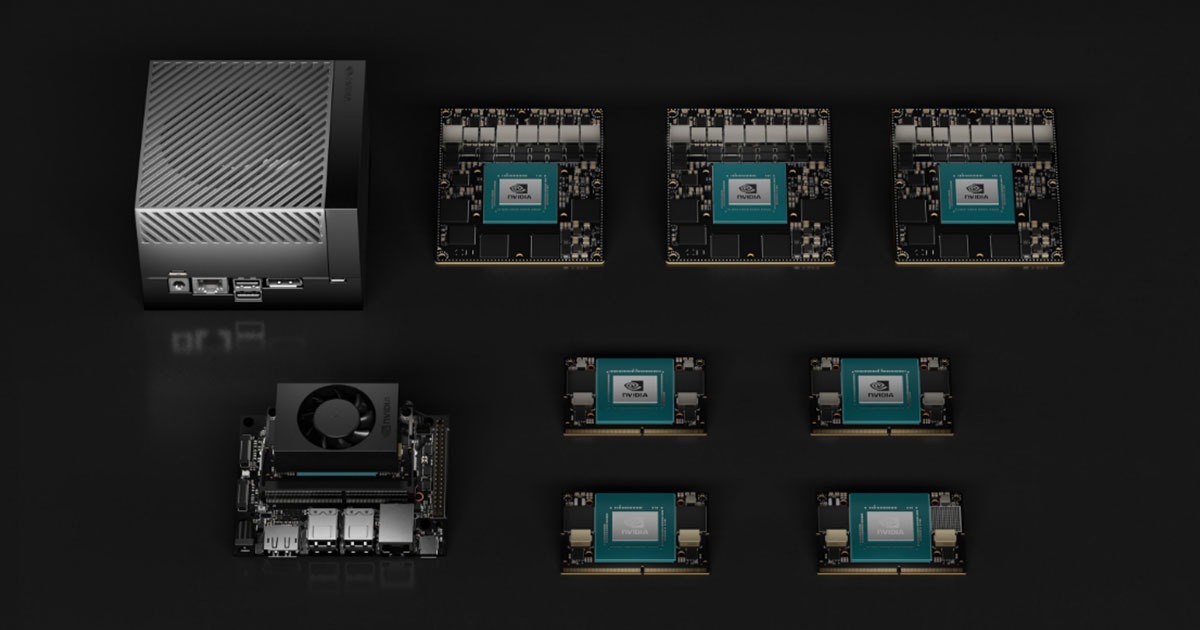
The NVIDIA Jetson Orin NX is a compact, SO-DIMM form-factor edge AI compute module designed for robotics, autonomous machines, and embedded vision applications. Manufactured by NVIDIA, it is available in 8 GB and 16 GB memory configurations and pairs an Ampere-architecture GPU with an 8-core Arm Cortex-A78AE CPU to deliver high-throughput on-device inference without relying on cloud connectivity. Positioned within NVIDIA's broader Jetson Orin family, the Orin NX targets developers and system integrators who need a balance of performance and power efficiency in a small footprint. It is commonly used in applications such as industrial inspection, autonomous mobile robots (AMRs), drone navigation, and smart edge devices where real-time AI inference is critical.
35 views