Miko 3
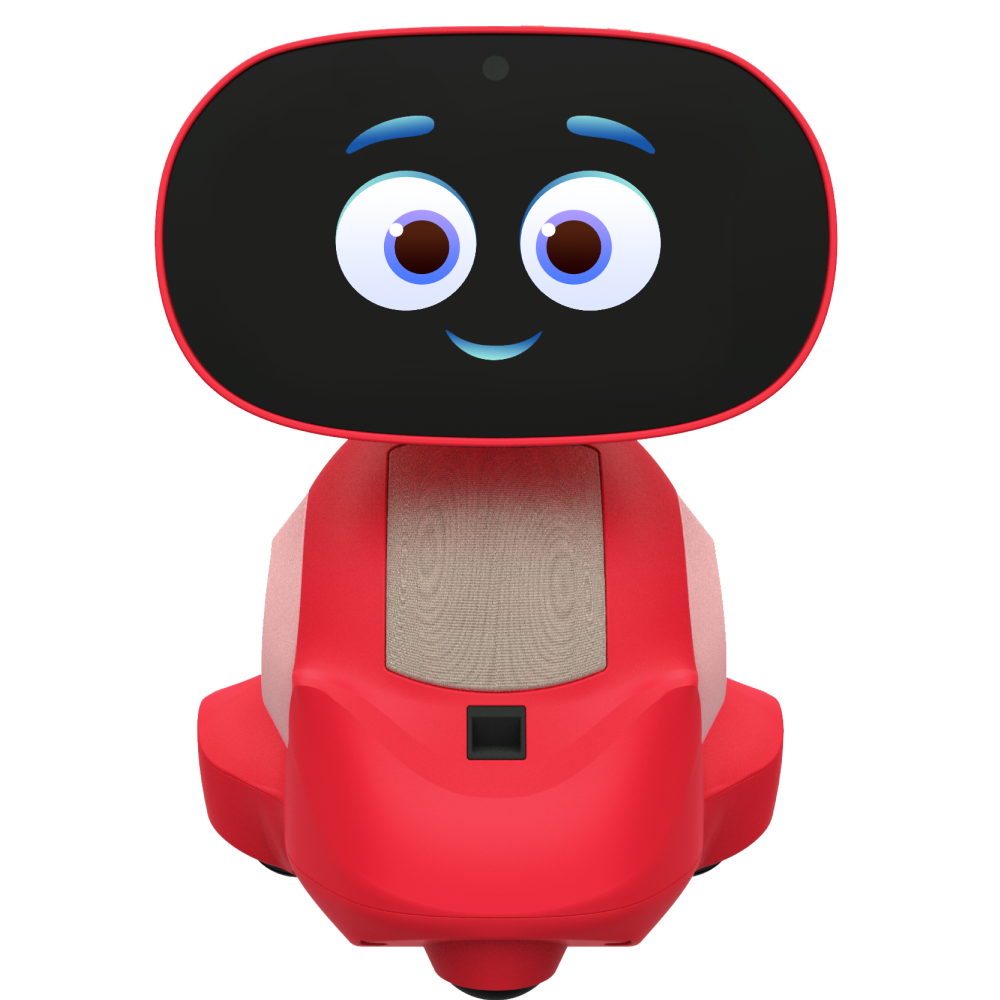
Miko 3 is an AI-powered companion and educational robot designed for children aged approximately 5 to 10 years old. Developed by Miko, it is capable of recognising individual faces and voices, holding contextual conversations, and delivering a reported library of more than 1,000 STEAM-focused games, stories, and learning activities. Positioned as a smart home companion for young learners, Miko 3 combines social-emotional engagement with curriculum-aligned content. The robot is intended to support independent learning while keeping children entertained, and it connects to a companion app that allows parents to monitor usage and progress.
Overview and Use Cases
Miko 3 is a tabletop companion robot aimed at the children's educational technology market. Its core proposition is to act as an interactive learning buddy that adapts to a child's interests and skill level over time. Key use cases include:
- STEAM education: Delivering games and activities aligned with science, technology, engineering, arts, and mathematics concepts.
- Conversational companionship: Engaging children in open-ended dialogue, storytelling, and question-and-answer sessions.
- Parental oversight: Providing a companion app through which parents can review content, set screen-time limits, and track learning milestones.
- Emotional engagement: Using expressive animations and a screen-based face to convey emotions and maintain a child's attention.
Key Technical Features
Miko 3 incorporates several sensor and AI capabilities commonly reported in product documentation:
- Face and voice recognition: The robot can reportedly identify individual children and personalise interactions accordingly.
- Touchscreen display: A front-facing screen serves as the robot's expressive face and an interactive interface for games and content.
- Onboard camera: Used for face detection and augmented-reality-style activities.
- Wireless connectivity: Wi-Fi connectivity enables content updates, cloud-based AI processing, and parental app synchronisation.
- Autonomous navigation: Miko 3 is reported to include obstacle-detection capability, allowing limited self-directed movement on flat surfaces.
Specific details such as processor model, battery runtime, and exact sensor specifications have not been consistently confirmed in public documentation, and figures should be verified against official Miko materials.
Comparison to Similar Robots
Within the broader educational robot landscape, Miko 3 occupies a distinct niche as a socially expressive companion rather than a programmable coding tool. Robots such as mBot2 and NAO 6 are oriented toward hands-on STEM programming and robotics education for older or more technically inclined users. Sphero BOLT similarly emphasises coding skills. Miko 3, by contrast, prioritises conversational AI and content delivery for younger children who may not yet be ready for programming-based learning.
Among companion robots, Miko 3 competes with products such as Amazon's Echo devices with Alexa (a voice-only alternative), as well as dedicated children's robots like Roybi Robot and Embodied's Moxie. Compared to Moxie, which targets social-emotional learning with therapeutic applications, Miko 3 places relatively greater emphasis on curriculum content volume and entertainment breadth. The gitamini, another companion-category robot, serves a fundamentally different adult use case as a personal cargo-carrying device.
Market Context and Target Buyers
Miko 3 is positioned in the consumer children's technology segment, typically retailing at a price point accessible to middle-income households, though exact pricing varies by region and promotional period. The primary buyers are parents and caregivers seeking a safe, screen-mediated educational tool that goes beyond passive video consumption. The robot is also reportedly marketed as a gift item, particularly around holiday seasons.
The product competes in a market where smart speakers and tablets are the dominant alternatives, differentiating itself through embodied interaction, a child-specific personality, and a curated content library.
Deployments and Notable Presence
As of public reporting, Miko 3 is sold primarily through direct-to-consumer online channels and major e-commerce platforms. Miko has indicated a user base spanning multiple countries, with notable traction reportedly in India and the United States. The robot has been featured in various children's technology and parenting media reviews, generally praised for its content depth and conversational ability, while some reviewers have noted variability in voice-recognition accuracy.
Future Outlook
The children's companion robot category is expected to grow as AI language models become more capable and cost-effective to deploy in consumer hardware. Miko 3's reliance on cloud-based AI means its conversational capabilities can potentially be updated without hardware changes, which may extend the product's relevance over time. Ongoing challenges for the category include child data privacy regulations, maintaining engagement beyond initial novelty, and competition from general-purpose smart devices. Future iterations from Miko or competitors may incorporate more advanced large language model integrations and richer multimodal sensing.
Related videos

Related entries
 Robot
RobotG1
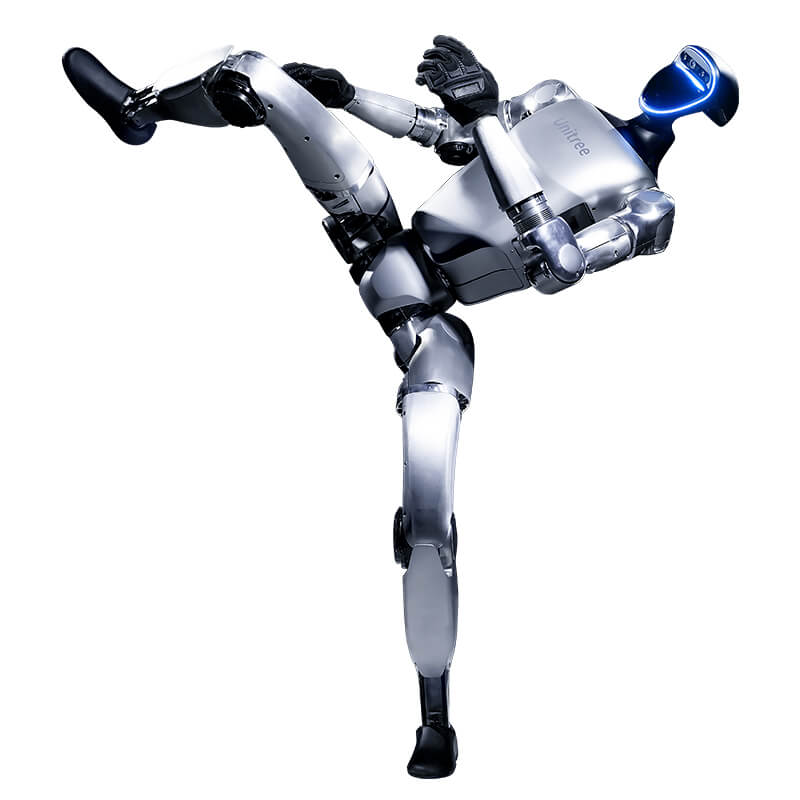
The Unitree G1 is a general-purpose humanoid robot developed by Unitree Robotics, a Chinese robotics company headquartered in Hangzhou. Standing approximately 1.32 meters tall and weighing around 35 kilograms, the G1 features 23 degrees of freedom and is capable of walking, running, recovering from falls, and performing dexterous manipulation tasks. It ships with SDK access, making it accessible to researchers and small-business operators seeking an affordable entry point into humanoid robotics. The G1 is widely regarded as one of the most competitively priced serious humanoid platforms available as of public reporting, positioning Unitree as a disruptive force in a market historically dominated by far more expensive systems. Its combination of mobility, recoverability, and open software access has attracted attention from academic institutions, robotics developers, and automation-focused startups worldwide.
44 views
 Robot
RobotUniversal Robots UR5e
The Universal Robots UR5e is a six-axis collaborative robot arm (cobot) belonging to Universal Robots' e-Series product line. Designed for light-to-medium industrial and laboratory tasks, it is widely used in assembly, pick-and-place, machine tending, quality inspection, and lab automation workflows. Universal Robots, a Danish company and a subsidiary of Teradyne, is one of the most recognized names in the collaborative robotics market. The UR5e is programmed using Universal Robots' PolyScope graphical interface on a teach pendant, making it accessible to operators without deep robotics expertise. Its built-in force/torque sensing, tool-center-point control, and a broad ecosystem of certified end-effectors and accessories (the UR+ platform) have made it a popular mid-range cobot choice across manufacturing, electronics, food handling, and research sectors.
43 views
 Robot
RobotQuicktron M100
The Quicktron M100 is a heavy-duty autonomous mobile robot (AMR) belonging to Quicktron Robotics' M-Series product line. It is designed for demanding material handling tasks in warehouses, distribution centers, and manufacturing environments, using an integrated lift mechanism to transport shelves and pallets autonomously across facility floors. Quicktron Robotics, a company with roots in China and a global commercial presence, positions the M100 as a high-capacity solution for operations that require moving heavier loads than lighter AMR models can accommodate. The M100 targets logistics operators and manufacturers seeking to automate goods-to-person or pallet-movement workflows at scale.
36 views
 Robot
RobotNVIDIA Jetson Orin NX
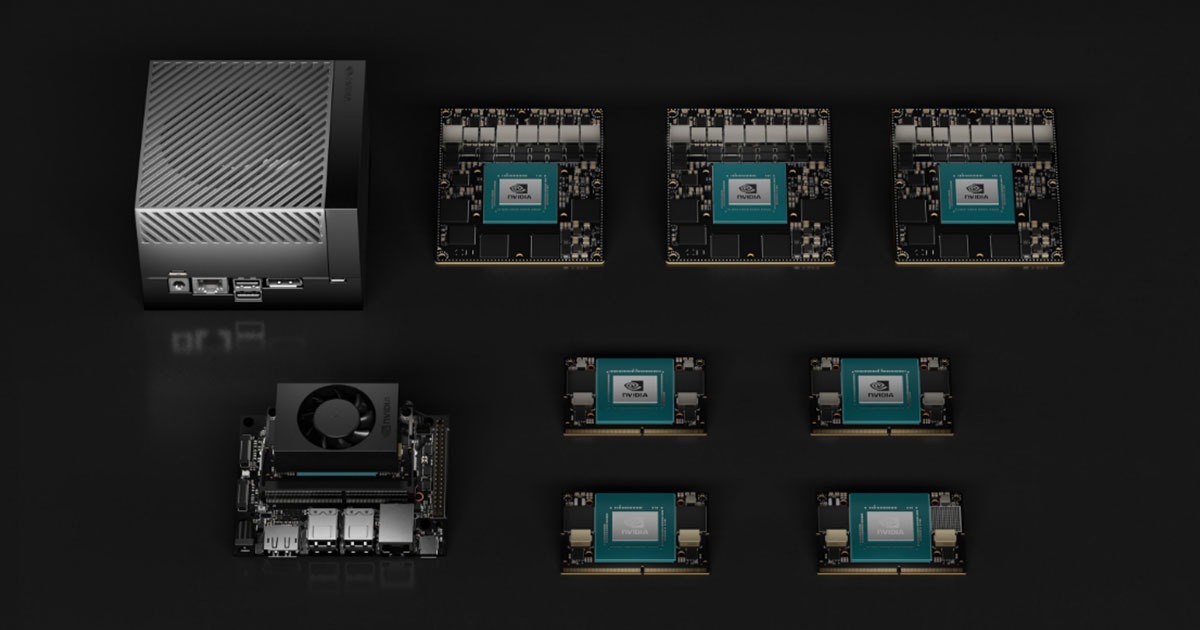
The NVIDIA Jetson Orin NX is a compact, SO-DIMM form-factor edge AI compute module designed for robotics, autonomous machines, and embedded vision applications. Manufactured by NVIDIA, it is available in 8 GB and 16 GB memory configurations and pairs an Ampere-architecture GPU with an 8-core Arm Cortex-A78AE CPU to deliver high-throughput on-device inference without relying on cloud connectivity. Positioned within NVIDIA's broader Jetson Orin family, the Orin NX targets developers and system integrators who need a balance of performance and power efficiency in a small footprint. It is commonly used in applications such as industrial inspection, autonomous mobile robots (AMRs), drone navigation, and smart edge devices where real-time AI inference is critical.
35 views