Mabu
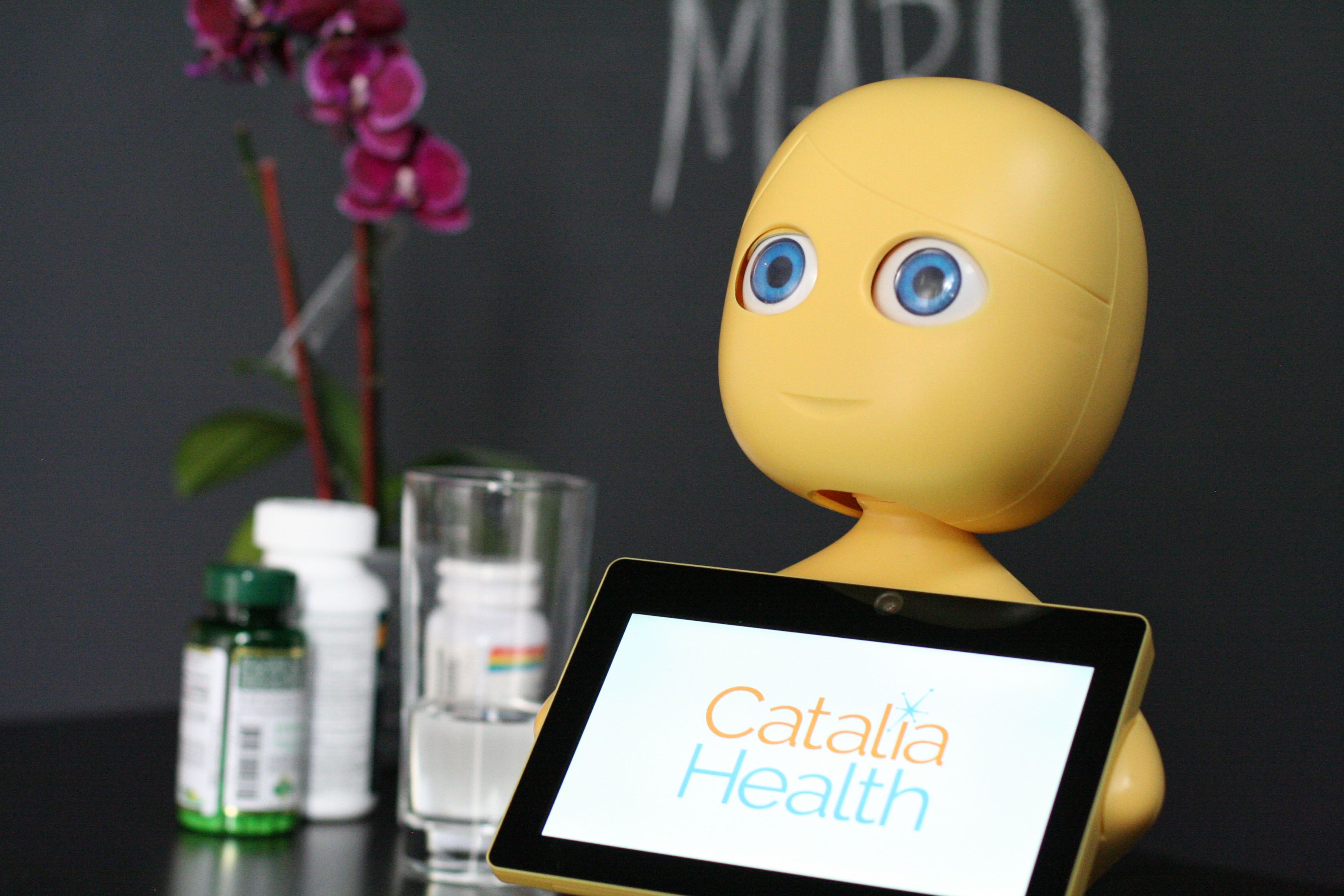
Mabu is a tabletop companion robot developed by Catalia Health, a U.S.-based digital health company. Designed for chronic-condition management, it conducts short, personalized daily check-in conversations with patients, drawing on individualized care plans to monitor symptoms, medication adherence, and overall well-being. The robot is intended to serve as a persistent, low-burden touchpoint between clinical visits, relaying structured adherence and symptom data back to care teams. Catalia Health has deployed Mabu in pilot programs with pharmaceutical companies and healthcare providers, positioning it at the intersection of conversational AI and remote patient monitoring.
Overview and Use Cases
Mabu is a tabletop social robot built around the concept of habitual, brief daily interactions rather than extended therapy sessions. Its core function is chronic-condition management: the robot engages patients in short scripted-yet-adaptive conversations tied to their specific care plans. Conditions reportedly addressed in pilots include heart failure, oncology supportive care, and diabetes management, among others.
By maintaining a consistent daily presence in a patient's home, Mabu aims to improve medication adherence, surface early symptom changes, and reduce the burden on clinical staff who would otherwise rely on periodic phone check-ins. The robot reports structured data back to care coordinators, nurses, or physicians, enabling timely interventions without requiring constant human outreach.
Design and Technical Characteristics
Mabu features a compact, non-threatening tabletop form factor with an expressive face displayed on a screen, giving it a character-driven appearance intended to encourage patient engagement. The robot uses a combination of speech recognition and natural language processing to conduct conversations, and its dialogue system is reportedly grounded in motivational interviewing principles and behavior-change science.
Specific hardware specifications such as processor details, battery runtime, or sensor payloads have not been widely disclosed in public reporting. The platform is cloud-connected, allowing care-plan content and conversation scripts to be updated remotely by clinical teams or Catalia Health's backend systems.
Deployment and Customers
Catalia Health has conducted pilot deployments with pharmaceutical manufacturers and health system providers, though the company has not publicly disclosed a comprehensive list of named customers as of available reporting. The pilots have focused on demonstrating measurable improvements in patient adherence and engagement metrics compared to standard-of-care approaches. The robot has been described as a prototype-stage or early-commercial product, with deployments structured as managed programs rather than direct consumer retail sales.
Market Context and Target Buyers
Mabu is positioned in the enterprise health technology market, targeting pharmaceutical companies seeking to support patients on complex drug regimens, as well as health systems and payers looking to reduce readmissions and improve chronic-disease outcomes. It is not sold as a consumer product. Pricing has not been publicly disclosed; the business model appears to be program- or subscription-based, consistent with other digital therapeutics and remote monitoring platforms.
The robot competes conceptually with other conversational health platforms, including purely software-based chatbot solutions and voice-assistant integrations (such as those built on Amazon Alexa or Google Assistant for health use cases). Its physical, embodied form is a deliberate differentiator, with Catalia Health citing research suggesting that social robots elicit stronger habitual engagement than screen-only interfaces.
Competitive Landscape
In the broader companion and health-robot space, Mabu occupies a niche between purely software-driven patient engagement tools and more complex, higher-cost social robots such as PARO (the therapeutic seal robot used in dementia care) or general-purpose platforms like SoftBank Robotics' Pepper. Mabu's focus on chronic-condition management and clinical data reporting distinguishes it from entertainment-oriented companions. No sibling robot models from Catalia Health are currently on public record.
Future Outlook
As remote patient monitoring and digital health engagement continue to attract investment and regulatory attention, Mabu's model of embodied conversational care management remains a distinctive approach. The broader adoption of such robots will likely depend on demonstrating clinical and economic outcomes in peer-reviewed or payer-accepted evidence, as well as navigating reimbursement pathways. Catalia Health's trajectory as of public reporting suggests continued focus on pharma and provider partnerships rather than a near-term consumer launch.
Related entries
 Robot
RobotG1
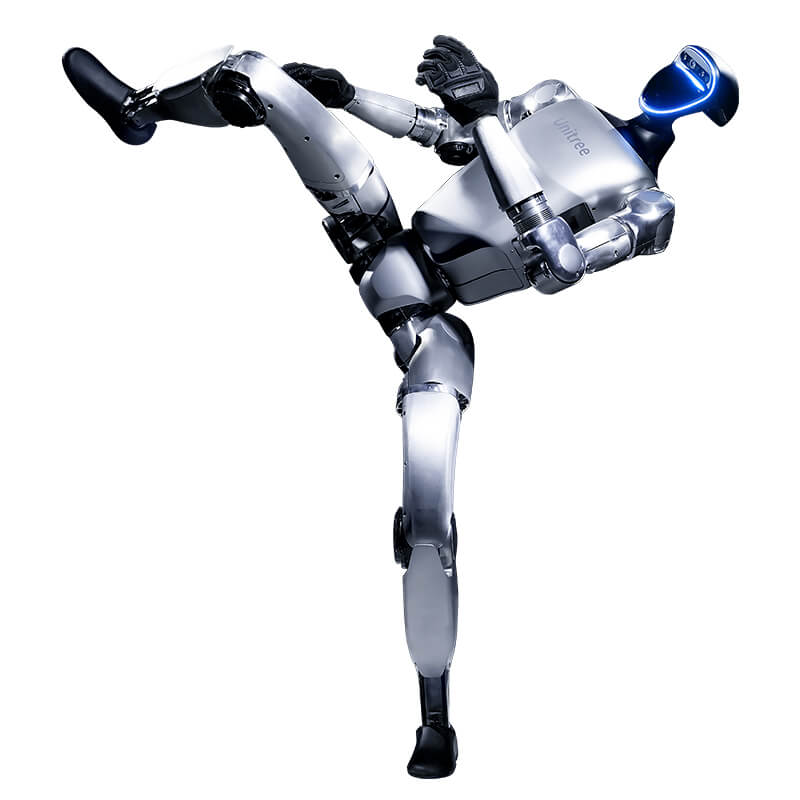
The Unitree G1 is a general-purpose humanoid robot developed by Unitree Robotics, a Chinese robotics company headquartered in Hangzhou. Standing approximately 1.32 meters tall and weighing around 35 kilograms, the G1 features 23 degrees of freedom and is capable of walking, running, recovering from falls, and performing dexterous manipulation tasks. It ships with SDK access, making it accessible to researchers and small-business operators seeking an affordable entry point into humanoid robotics. The G1 is widely regarded as one of the most competitively priced serious humanoid platforms available as of public reporting, positioning Unitree as a disruptive force in a market historically dominated by far more expensive systems. Its combination of mobility, recoverability, and open software access has attracted attention from academic institutions, robotics developers, and automation-focused startups worldwide.
5,829 views
 Robot
RobotUniversal Robots UR5e
The Universal Robots UR5e is a six-axis collaborative robot arm (cobot) belonging to Universal Robots' e-Series product line. Designed for light-to-medium industrial and laboratory tasks, it is widely used in assembly, pick-and-place, machine tending, quality inspection, and lab automation workflows. Universal Robots, a Danish company and a subsidiary of Teradyne, is one of the most recognized names in the collaborative robotics market. The UR5e is programmed using Universal Robots' PolyScope graphical interface on a teach pendant, making it accessible to operators without deep robotics expertise. Its built-in force/torque sensing, tool-center-point control, and a broad ecosystem of certified end-effectors and accessories (the UR+ platform) have made it a popular mid-range cobot choice across manufacturing, electronics, food handling, and research sectors.
5,175 views
 Robot
RobotQuicktron M100
The Quicktron M100 is a heavy-duty autonomous mobile robot (AMR) belonging to Quicktron Robotics' M-Series product line. It is designed for demanding material handling tasks in warehouses, distribution centers, and manufacturing environments, using an integrated lift mechanism to transport shelves and pallets autonomously across facility floors. Quicktron Robotics, a company with roots in China and a global commercial presence, positions the M100 as a high-capacity solution for operations that require moving heavier loads than lighter AMR models can accommodate. The M100 targets logistics operators and manufacturers seeking to automate goods-to-person or pallet-movement workflows at scale.
601 views
 Robot
RobotNVIDIA Jetson Orin NX
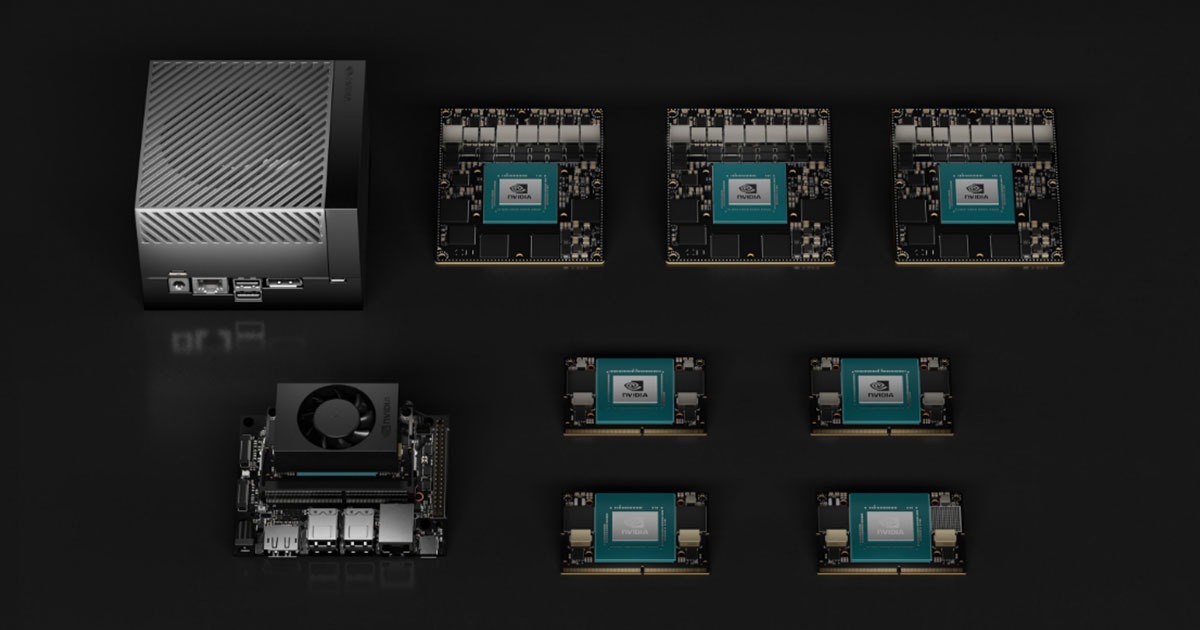
The NVIDIA Jetson Orin NX is a compact, SO-DIMM form-factor edge AI compute module designed for robotics, autonomous machines, and embedded vision applications. Manufactured by NVIDIA, it is available in 8 GB and 16 GB memory configurations and pairs an Ampere-architecture GPU with an 8-core Arm Cortex-A78AE CPU to deliver high-throughput on-device inference without relying on cloud connectivity. Positioned within NVIDIA's broader Jetson Orin family, the Orin NX targets developers and system integrators who need a balance of performance and power efficiency in a small footprint. It is commonly used in applications such as industrial inspection, autonomous mobile robots (AMRs), drone navigation, and smart edge devices where real-time AI inference is critical.
531 views