Let's compare
M0609 Standard
Doosan Robotics
Not yet assessed
- Height
- —
- Payload
- —
- Verified autonomy
- not assessed
- Real deployment
- not assessed
- Status
- —
- Price
- —
M0609 Standard
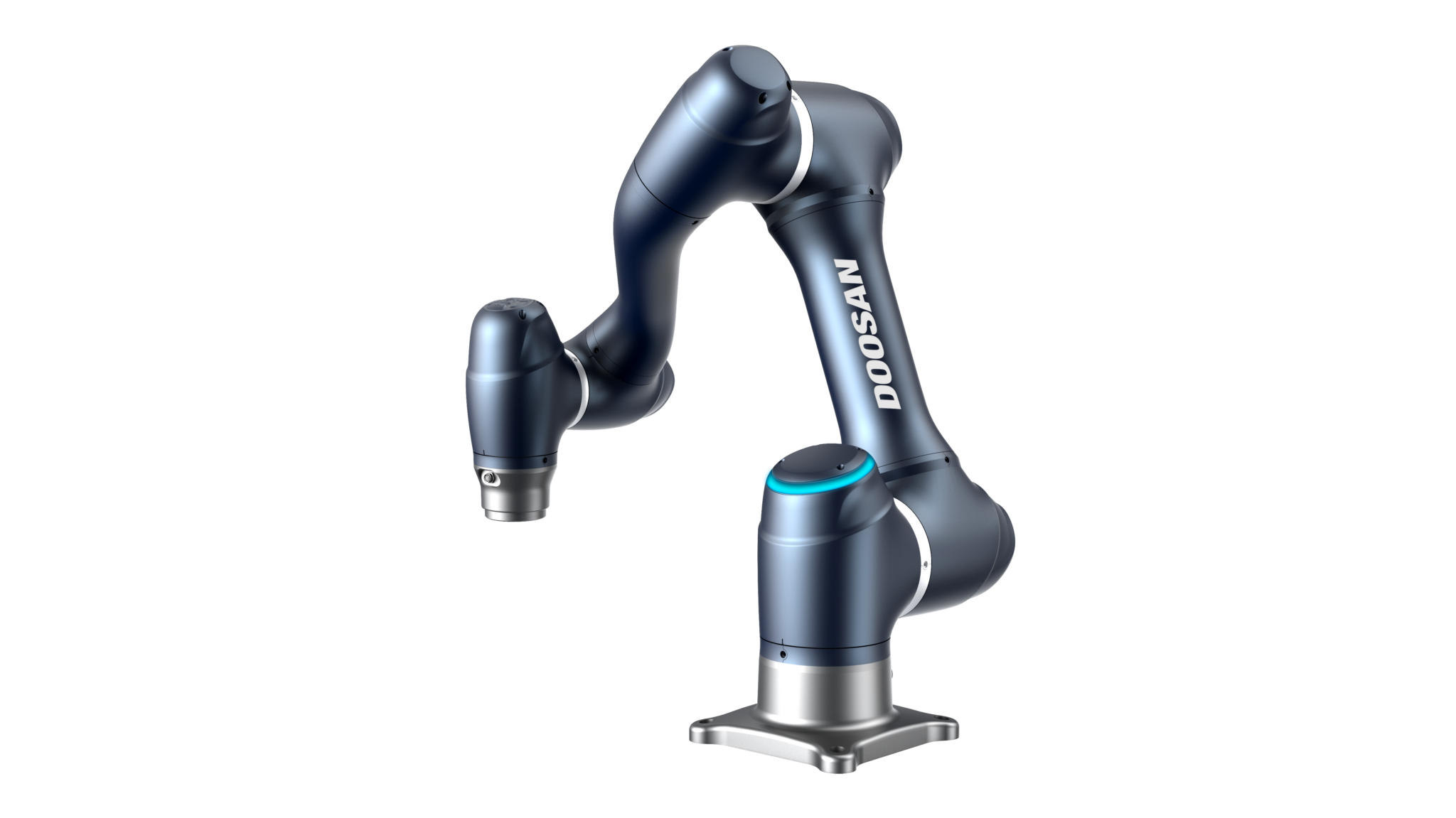
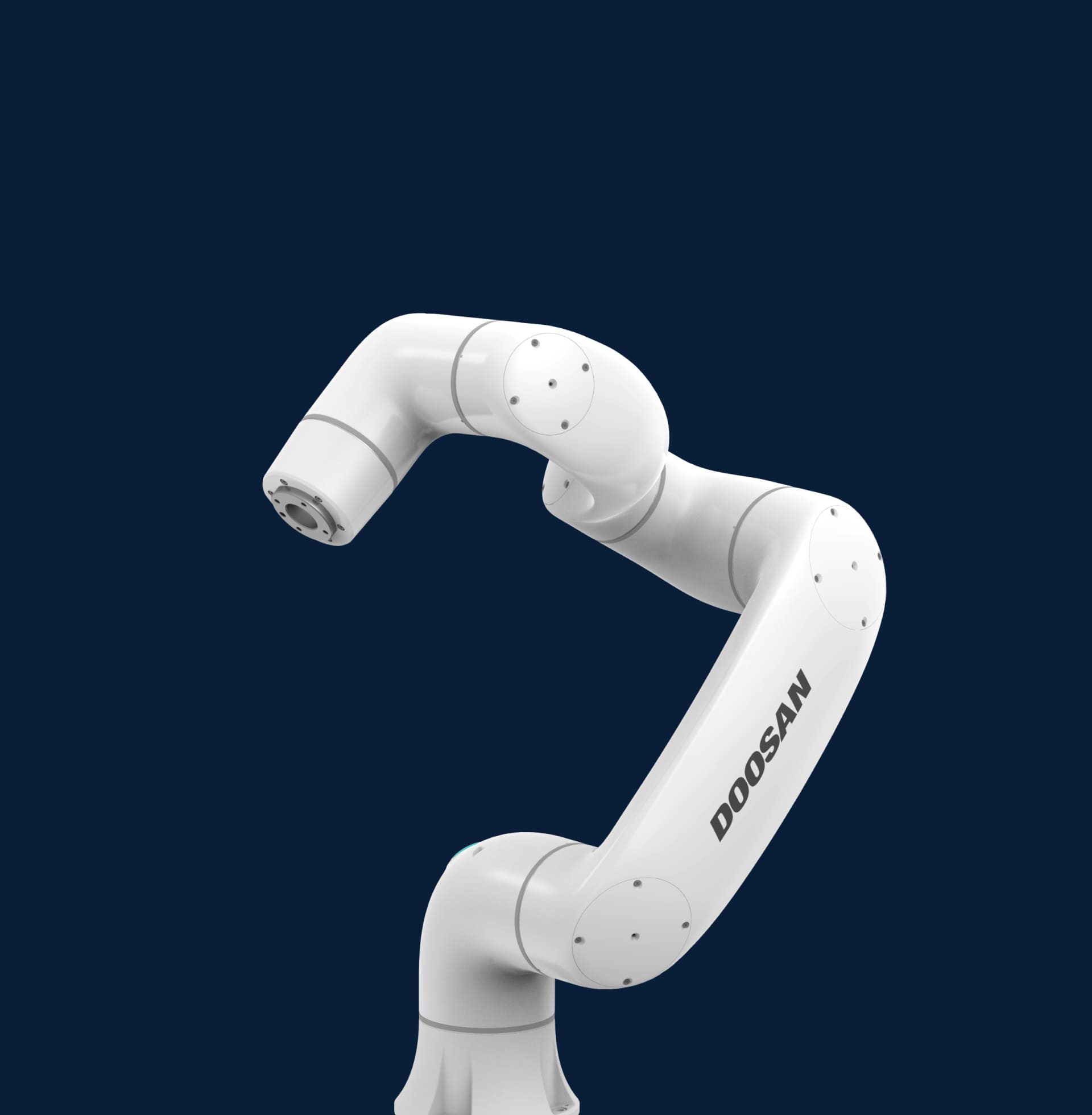
Doosan RoboticsThe Doosan Robotics M0609 is a 6-axis collaborative robot arm from Korea's leading cobot manufacturer, featuring 6 kg payload, 900 mm reach, ±0.03 mm repeatability, and torque sensors on all six axes for high-sensitivity collision detection. It is certified PLe/Cat4 by TÜV SÜD and is deployed across manufacturing, food service, welding, assembly, and palletizing applications in 45–50 countries. Pricing varies significantly by region and channel (€29,500 in Europe to ~$65,000 USD), and independent user reviews flag documentation quality and controller complexity as weaknesses relative to competitors like UR. The robot autonomously executes its programmed industrial tasks without human teleoperation, qualifying it as Autonomous, though operational setup and integration complexity are noted concerns.
Availability
Specification
- degrees_of_freedom
- 6 axes
- payload
- 6 kg (13.2 lbs)
- reach
- 900 mm (35.4 inches)
- robot_weight
- 27 kg (per Unchained Robotics and HumanoidHub); one news source states 32 kg
- max_speed
- 1 m/s (TCP speed)
Price
No public price — contact the supplier for a quote.
Good · Bad · Ugly
Evidence-graded claims from the Doosan Robotics deep report
Doosan cobots hold PLe/Cat4 TÜV SÜD Functional Safety Assessment certification — the highest safety integrity level for collaborative robot operation.
TÜV SÜD is an independent, internationally recognized certification body; its PLe/Cat4 Functional Safety Assessment is confirmed by official sources and corroborated by third-party commerce listings, though the scope of certified models and any operational caveats remain unspecified [2][5][6].
from Doosan Robotics deep report →Doosan Robotics secured a contract to supply 100+ robot solutions to Kwangjin Group through 2027, and a separate 300-unit order from VRNJ (Thailand) with a 60-unit initial delivery.
The Kwangjin Group contract is independently reported by Assembly Magazine (trade press) and PR Newswire, confirming the deal's existence; however, actual delivery completion and operational outcomes have not yet been independently verified [10][12].
from Doosan Robotics deep report →
Doosan cobots are fully autonomous — once programmed, they execute industrial tasks (welding, palletizing, pick & place, machine tending) entirely without human intervention during task execution.
Official sources and the dossier's autonomy verdict assert fenceless, unsupervised collaborative operation, but no independent third-party test or customer report specifically confirms unattended autonomous task execution for the cobot line; community reliability feedback conflates Doosan CNC machines with cobots [2][7].
from Doosan Robotics deep report →All Doosan cobot joints are equipped with 6-axis torque sensors, enabling high-performance force detection and collision sensitivity for safe fenceless collaborative operation.
The 6-axis-per-joint torque sensor claim is confirmed by official Doosan sources and third-party commerce listings (Unchained Robotics), but no independent lab test or regulator report verifies the actual collision-detection performance in real deployments [2][5][6].
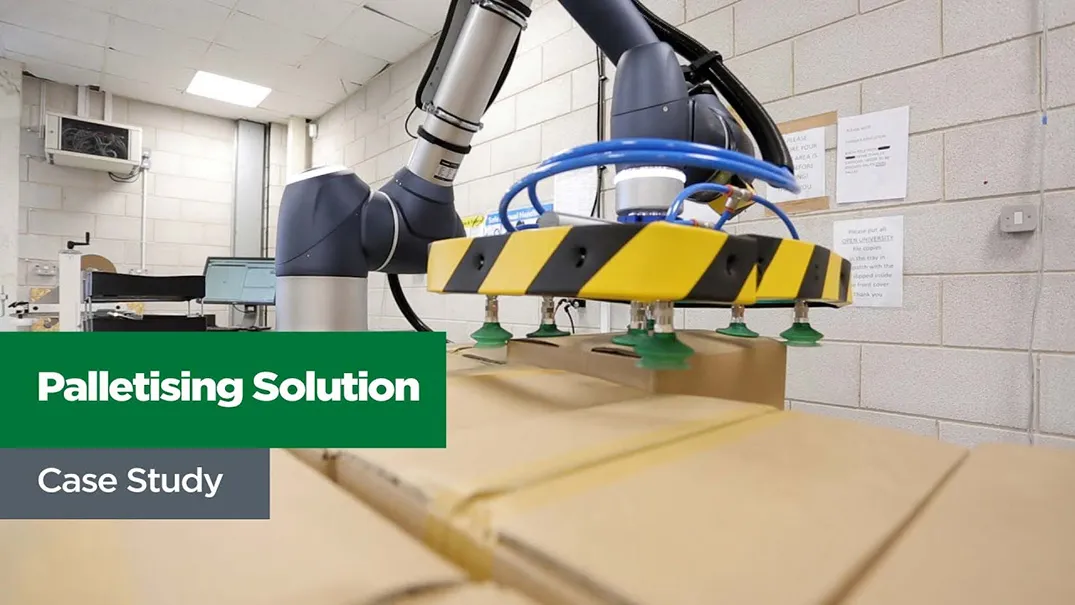
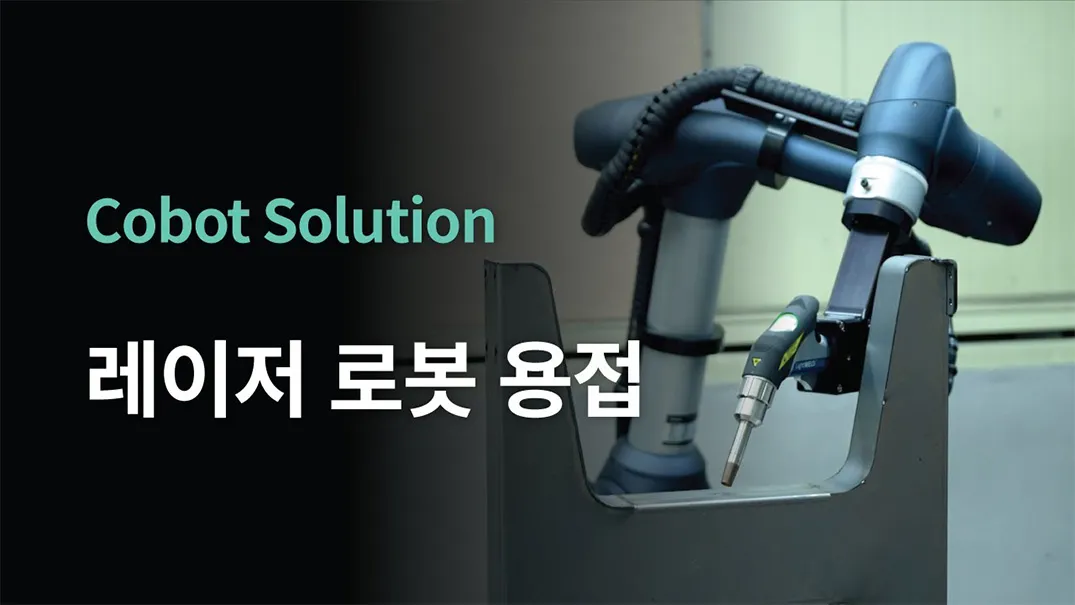
from Doosan Robotics deep report →Doosan cobots are deployed in 50+ countries across manufacturing, palletizing, welding, food prep, EV charging, and retail automation.
The 50+ country figure comes from Doosan's own official sources (with a separate official page citing 45 countries), and no independent audit, trade body report, or journalist investigation independently verifies the deployment breadth or application diversity [1][2][6].
from Doosan Robotics deep report →
Drag-and-drop programming reduces development time by up to 80% compared to traditional robot programming methods.
The 80% figure is a vendor-only claim with no independent benchmark; a Practical Machinist forum user corroborates ease of use for simple tasks but reveals a two-tier model where advanced programming requires a paid DartStudio subscription (~$1,500/year), undermining the universality of the claim [7].
from Doosan Robotics deep report →Doosan cobots deliver an average 1.5-year return on investment (ROI) in palletizing and welding applications.
The 1.5-year ROI figure appears exclusively on Doosan's own official palletizing/welding pages with no independent customer case study, financial audit, or third-party analyst report to substantiate it [3][4].
from Doosan Robotics deep report →
About the company
Editorial directory of real robot products from leading global manufacturers. Each entry links to the manufacturer's official page.